Cable Court — History & Facts
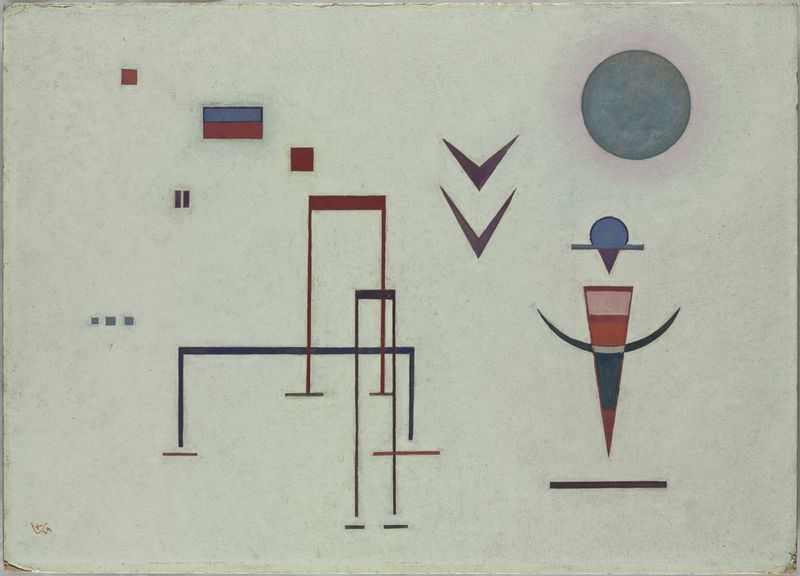
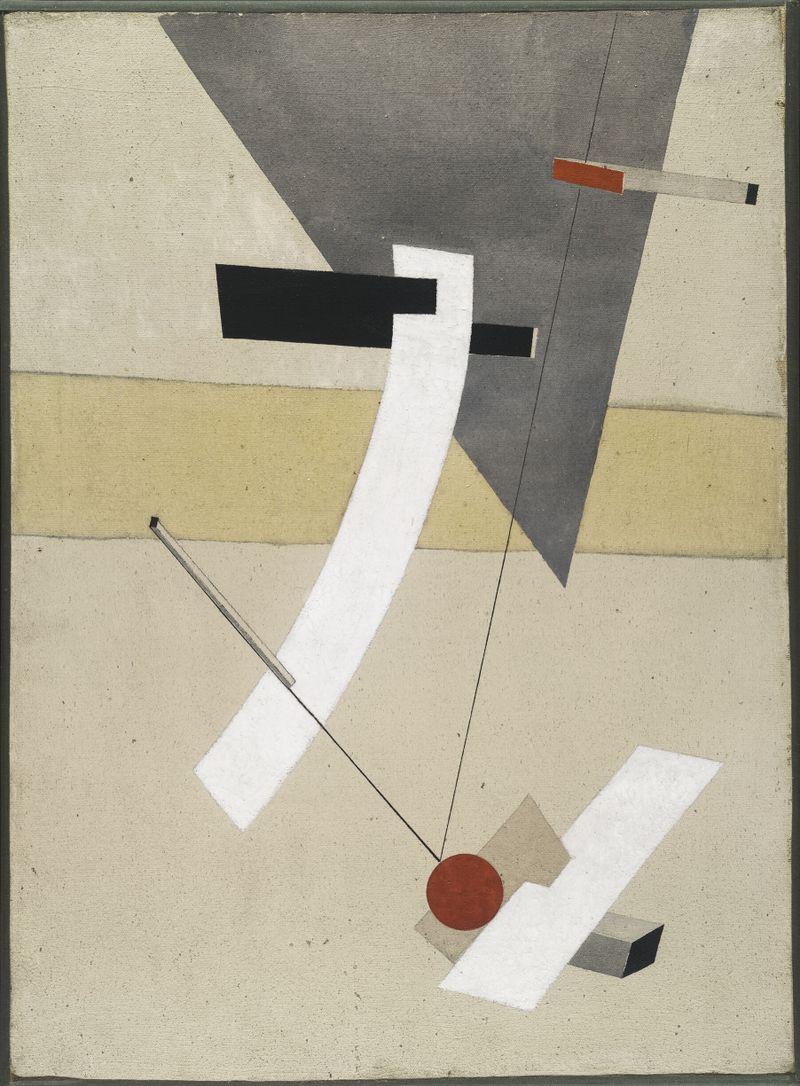
Who listens when art speaks of silence? In the muted tones of a bygone era, every brushstroke whispers the echoes of a revolution waiting to unfold. Look closely at the geometric forms that dominate the canvas, their sharp lines and angles directing your gaze. Notice how the subtle palette of grays and browns envelops the painting, invoking a sense of stillness amidst the inherent tension. This composition, with its stark contrasts, is meticulously arranged, drawing attention to the overlapping shapes that suggest a complex discourse between chaos and order. As you delve deeper, consider the emotional weight behind the stillness.
The interplay of light and shadow reveals an underlying struggle, a metaphor for the societal shifts occurring in the 1930s. Each intersecting line can be seen as a representation of voices merging, hinting at the silent battles fought for progress. The absence of overt figures juxtaposed with a rich texture evokes a contemplative reflection on the social fabric of the time—a silent plea for change. In 1931, Beman was immersed in the vibrant yet tumultuous art scene of America, grappling with the effects of the Great Depression.
His work during this period was characterized by a move towards abstraction, as he sought to capture the essence of modernity and the shifting tides of societal norms. This painting serves as a testament to both his artistic evolution and the revolutionary spirit that permeated the cultural landscape of the early 20th century.