Cable Court — History & Facts
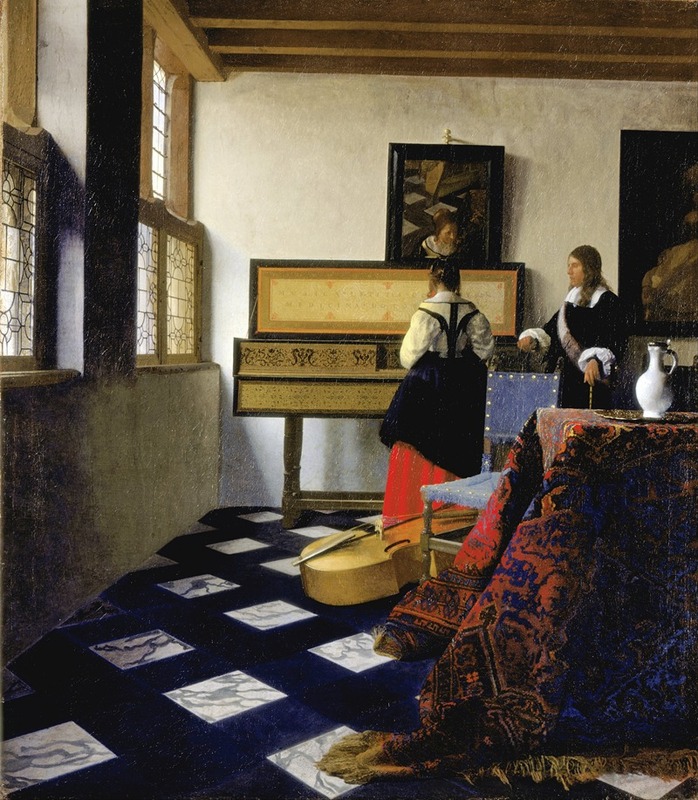
What if silence could speak through light? In a world increasingly filled with noise, this piece beckons us to pause and embrace the quietude that flickers in shadow and hue. Look to the center of the canvas, where soft, diffused light pours across the scene, illuminating a modest courtyard. The palette is dominated by muted greens and browns, evoking a sense of nostalgia and tranquility. Notice the delicate interplay between light and dark, with shades that seem to whisper of secrets held within the stillness, inviting the viewer to step into this intimate moment. The contrast between the warm glow of sunlight and the cool shadows hints at a subtle tension, a yearning for connection amidst solitude.
Each brushstroke captures the essence of a fleeting moment, urging us to contemplate the stories of those who may have passed through this space. The quiet simplicity of the composition echoes a longing for connection and a deep appreciation for the mundane, transforming the ordinary into something profoundly moving. In 1931, while creating Cable Court, Roff Beman was deeply engaged in the exploration of light and shadow as emotional conduits. Living in a time marked by economic strife and social change, he sought to infuse his work with a sense of hope and introspection.
This tranquil scene reflects his desire for solace amid the chaos of the world around him, anchoring his artistic vision in the realm of human experience.