Cafe Lafayette — History & Facts
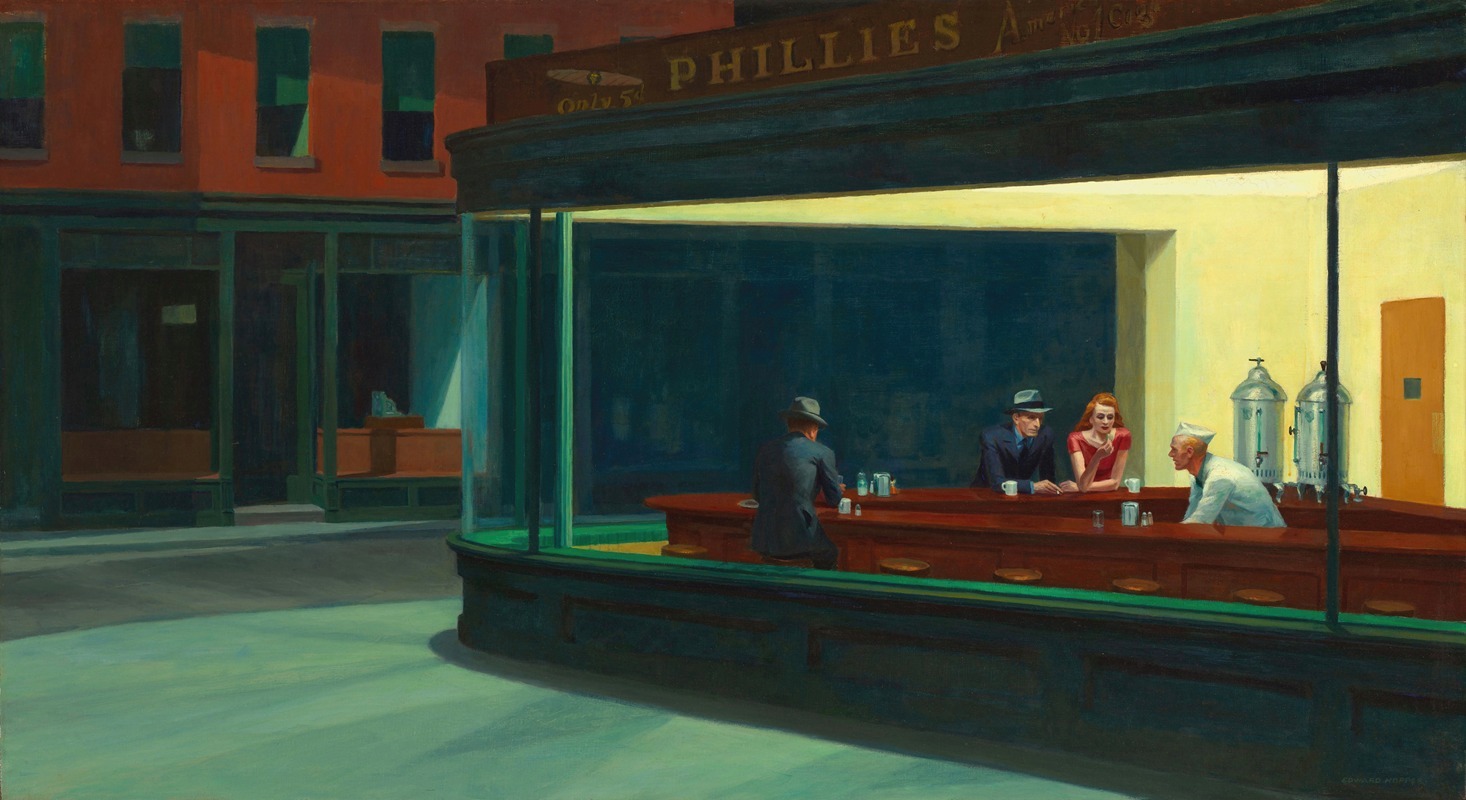
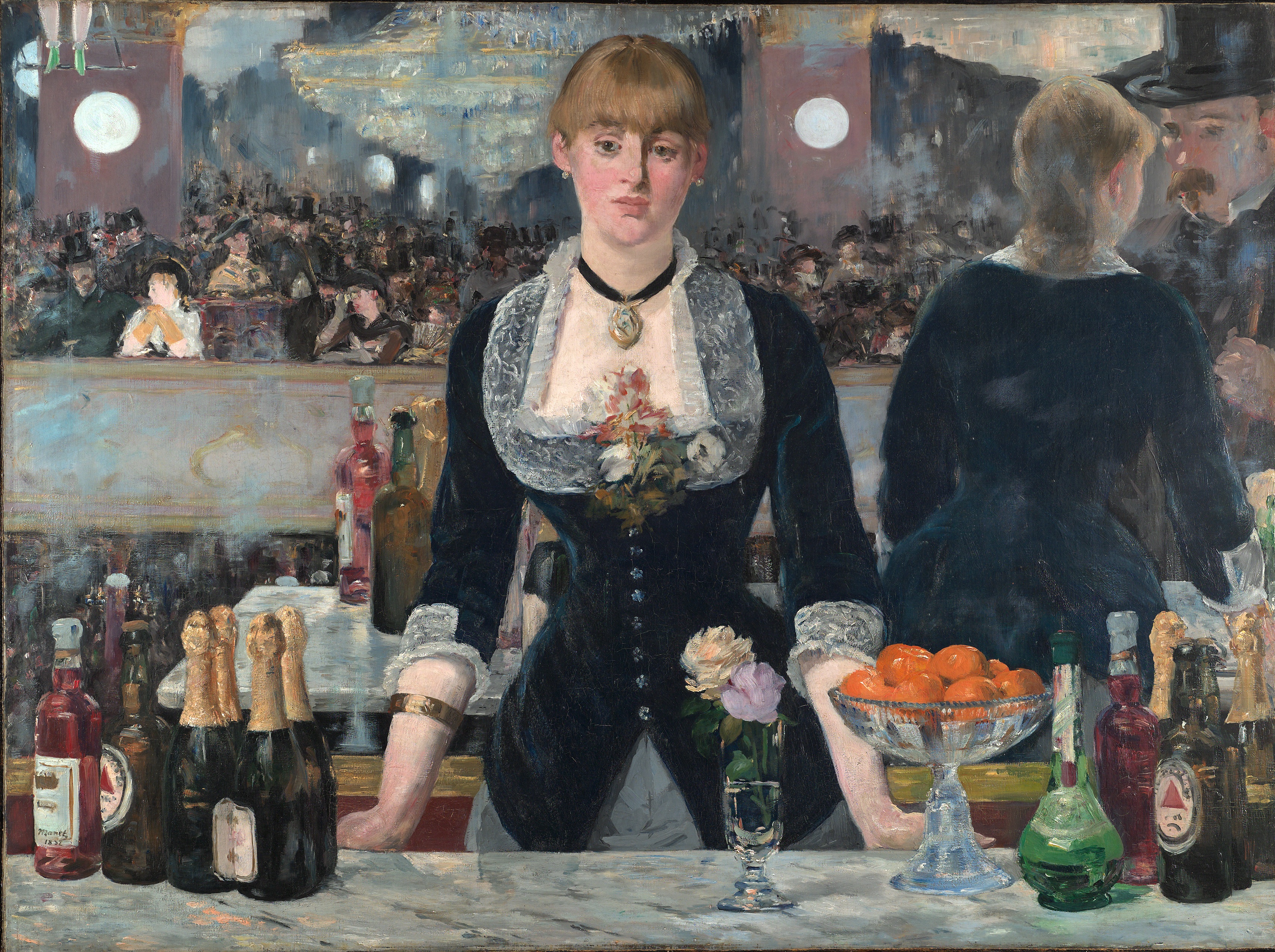
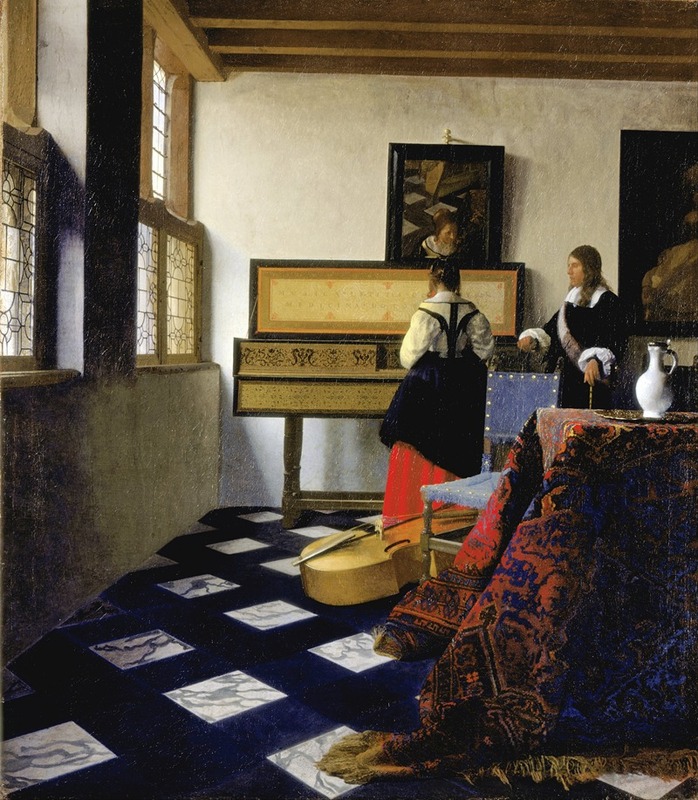
What secret hides in the quiet of the canvas? In Cafe Lafayette, the silence speaks volumes, inviting us to explore the depths of obsession and longing that linger in the everyday. Look to the center, where a lone figure sits at a small table, a barely touched cup of coffee beside them. The warm golden hues of the cafe's interior contrast sharply with the shadows that envelop the corners, evoking a sense of intimacy and isolation. Notice how the light filters through large windows, casting elongated shapes across the floor, guiding our gaze to the solitary subject who remains both present and distanced from the lively atmosphere around them. As you delve deeper, consider the details—the way the figure's gaze is fixed beyond the canvas, perhaps yearning for something or someone unseen.
The juxtaposition of vibrant activity surrounding them and their stark stillness creates a tension that resonates with themes of obsession and unattainable desires. The desaturated palette infused with earthy tones further heightens this emotional dichotomy, capturing the haunting solitude amid a bustling environment. In 1928, amidst a post-war Europe grappling with transformation, Albert E. Henselmann created this intriguing work.
Living in Berlin, he navigated a rapidly changing art scene marked by new movements and social upheaval. This period influenced him to encapsulate the complexities of human emotion, reflecting a world where personal struggles thrived alongside collective hope.