Cairo — History & Facts
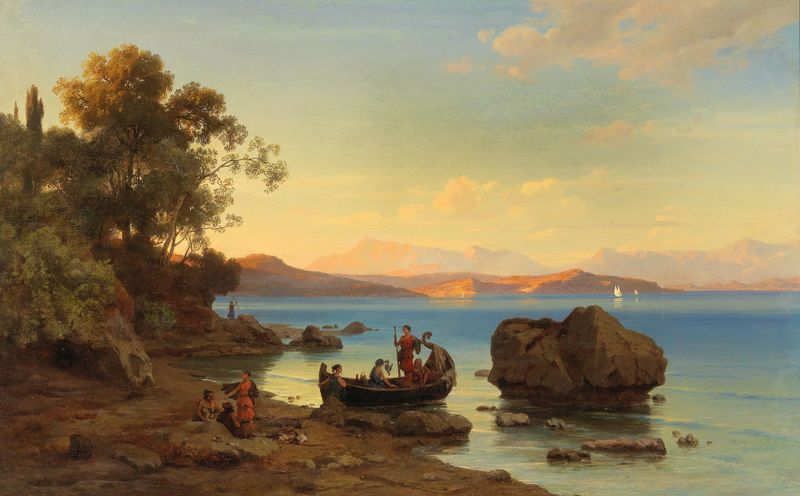
When did color learn to lie? The answer may reside within the depths of artistic expression, where beauty often masquerades as truth. In this striking composition, a vibrant yet ambiguous world unfolds before us, inviting reflection on the nature of perception itself. Focus first on the lush palette that envelops the canvas, where vibrant greens and blues meld seamlessly with warm earthy tones. Look closely at the horizon where the sky meets the earth; the soft transition from light to dark creates an atmospheric depth, drawing the viewer into the scene.
Notice how the brushwork varies — from the delicate strokes that define the foliage to the bolder, more sweeping motions in the clouds above, each choice reflects a harmony that dances between realism and idealization. Delve deeper to uncover subtle contrasts that echo through the imagery. The interplay of light and shadow suggests both vitality and serenity, inviting contemplation of the fleeting nature of beauty. The presence of figures, perhaps lost in thought or joy, serves as a reminder of the human experience amidst the grandeur of nature.
There’s an exquisite tension between the lushness of the landscape and the vulnerability of the individuals, a duality that resonates with the viewer on a profound emotional level. In 1844, Max Schmidt was navigating a complex period in art history, marked by the transition from Romanticism to Realism. Working in Germany, he was influenced by the burgeoning fascination with the exotic and the sublime. This piece reflects not just his personal journey but also a broader exploration of beauty that captivated artists of his era, seeking to capture both the essence of their surroundings and the emotional landscapes within.