
Damascus — History & Facts
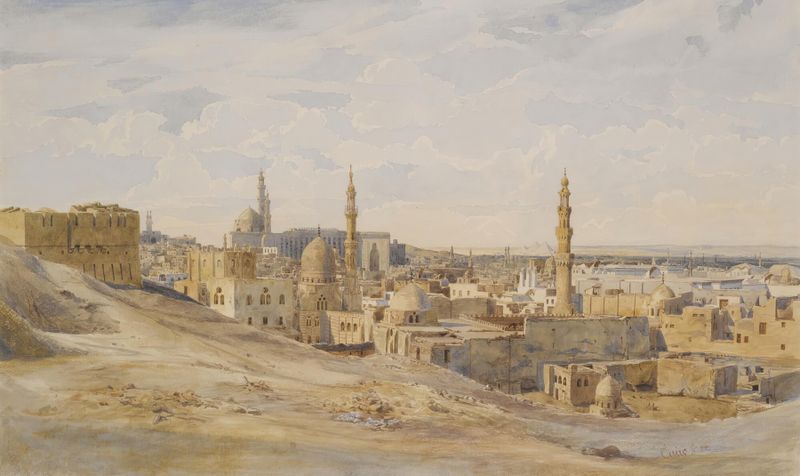
What secret hides in the quiet of the canvas? Within the depths of Damascus, a palpable longing simmers beneath the serene exterior, inviting viewers to explore the intricate layers of desire woven into its composition. Focus on the arching, sunlit buildings that draw your gaze across the horizon. Notice how the warm tones of ochre and gold intermingle with the cooler blues of the sky, creating a vibrant yet tranquil atmosphere. The interplay of light and shadow dances across the architecture, highlighting the delicate details that make the city pulse with life.
The gentle strokes and meticulous brushwork embody a sense of harmony, evoking both beauty and nostalgia. Yet, beneath the idyllic façade lies a tension between the historical richness and the ephemeral nature of human connection. The sweeping landscapes seem to whisper secrets of the past, while the absence of figures stirs a profound sense of yearning for the stories left untold. Each element of the piece subtly alludes to the desire for understanding and belonging, inviting contemplation of one’s place within the world. Max Schmidt painted Damascus in 1844 while residing in Germany, during a time marked by artistic exploration and an increasing fascination with landscapes.
His work stands apart within the romantic tradition, reflecting both an appreciation for natural beauty and an introspective look at the emotions that landscapes can evoke. As Europe grappled with change, Schmidt’s canvas captured not only a city but also the universal human longing for connection across time and space.
More Artworks by Max Schmidt
Browse all →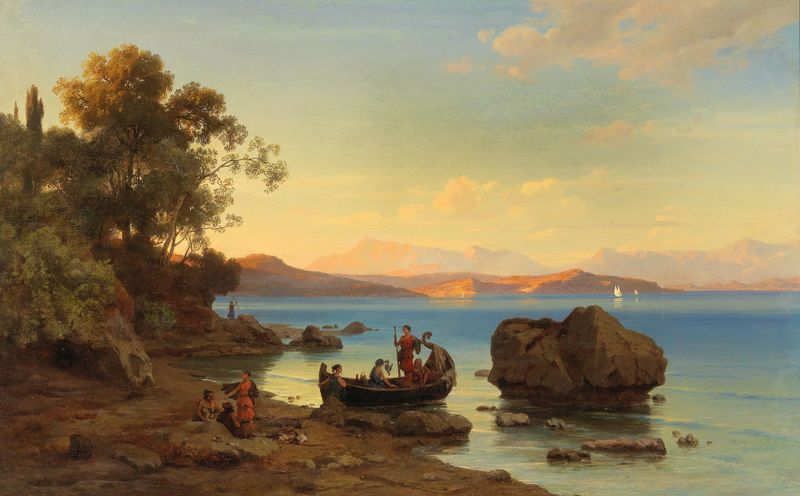
More Architecture Art
Browse all →
The statue of Liberty
Frédéric Auguste Bartholdi

View of Houses in Delft, Known as ‘The Little Street’
Johannes Vermeer

View of Houses in Delft, Known as ‘The Little Street’
Johannes Vermeer

The Cathedral in Rouen. The portal, Grey Weather
Claude Monet

The yellow house
Vincent van Gogh

The Church in Auvers-sur-Oise, View from the Chevet
Vincent van Gogh