
Camino De La Casa Güell. Santa Perpetua De La Mogoda (The Path To Casa Güell) — History & Facts
Who listens when art speaks of silence? In a world filled with noise, the stillness captured by the brush can often echo the inescapable truth of mortality and the passage of time. Focus on the vibrant colors that flood the canvas—earthy greens and deep browns coalesce, creating a path that winds its way through the composition. Look closely at the textured strokes that evoke the roughness of nature, guiding the viewer’s eye along the trail to Casa Güell. Notice how the dappled light filters through the leaves, casting shadows that dance playfully across the path, inviting one to journey forth yet reminding of the fleetingness of every moment. In the foreground, a lone figure walks the trail, embodying solitude against the vast landscape.
The stillness of the surroundings amplifies the sense of introspection and contemplation, suggesting that this path is not just a physical journey but also a metaphor for life’s transitory nature. The juxtaposition of lush greenery with the hidden depths of shadow hints at the complexities of existence—beauty intertwined with impermanence, joy with loss. Created in 1918, this work came at a time when Joaquin Mir Trinxet was deeply influenced by Catalan modernism, exploring the interplay between landscape and emotion. The aftermath of the Great War loomed heavy on the world, instilling a consciousness of fragility in both life and nature.
In this context, he masterfully employed light and color to capture not just a scenic view but a profound meditation on human experience.
More Artworks by Joaquin Mir Trinxet
Browse all →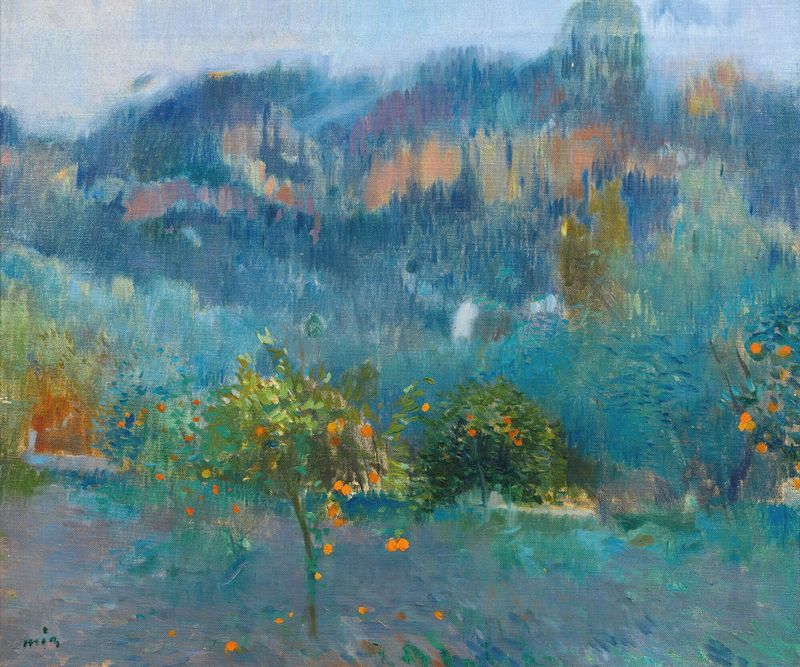
Paisaje Mallorquín Con Naranjos
Joaquin Mir Trinxet
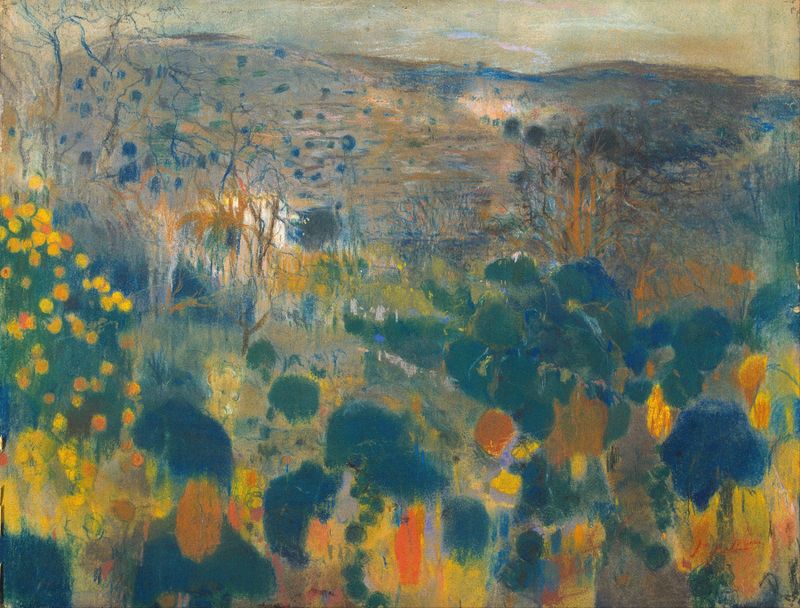
Landscape
Joaquin Mir Trinxet

Spanish Jardin
Joaquin Mir Trinxet
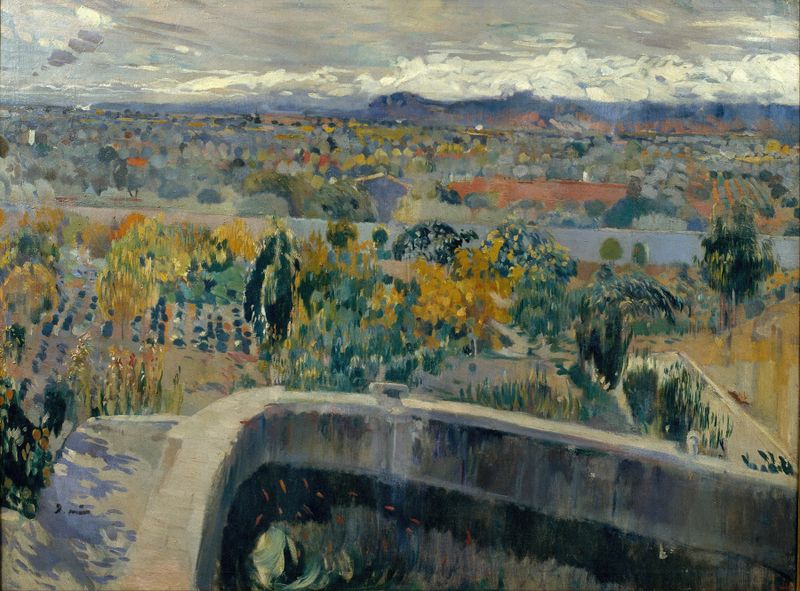
The New Pond
Joaquin Mir Trinxet

View of L’Aleixar
Joaquin Mir Trinxet
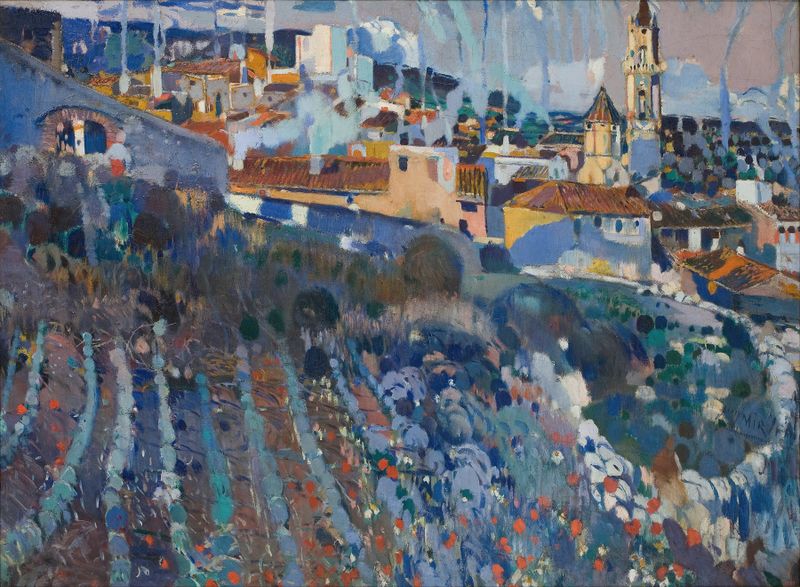
Terraced Village
Joaquin Mir Trinxet
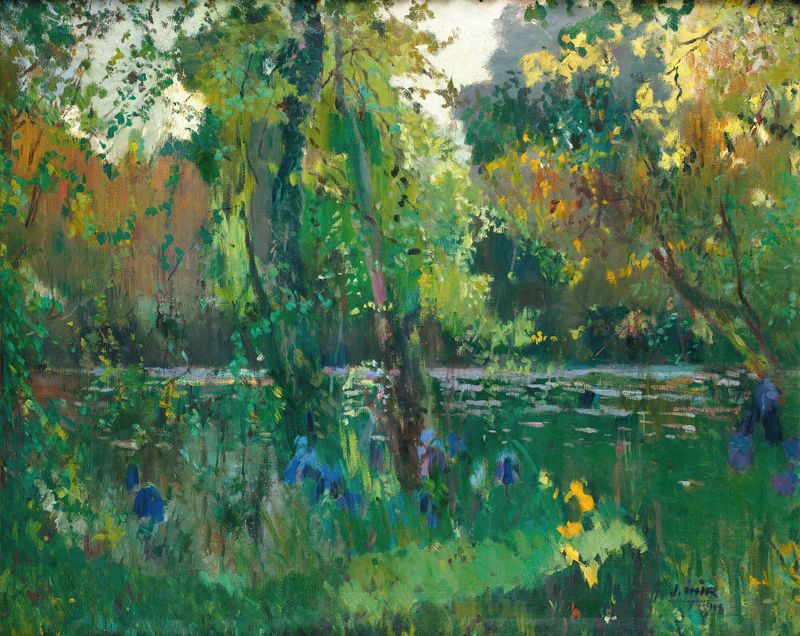
Riverbank In The Forest
Joaquin Mir Trinxet
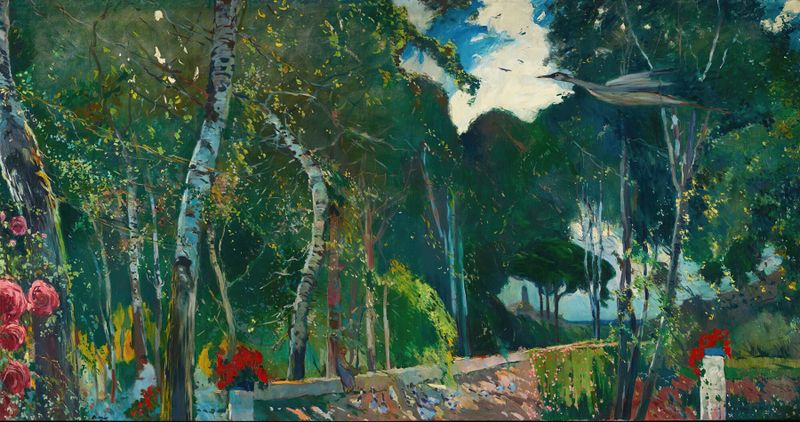
El Mas Blau
Joaquin Mir Trinxet
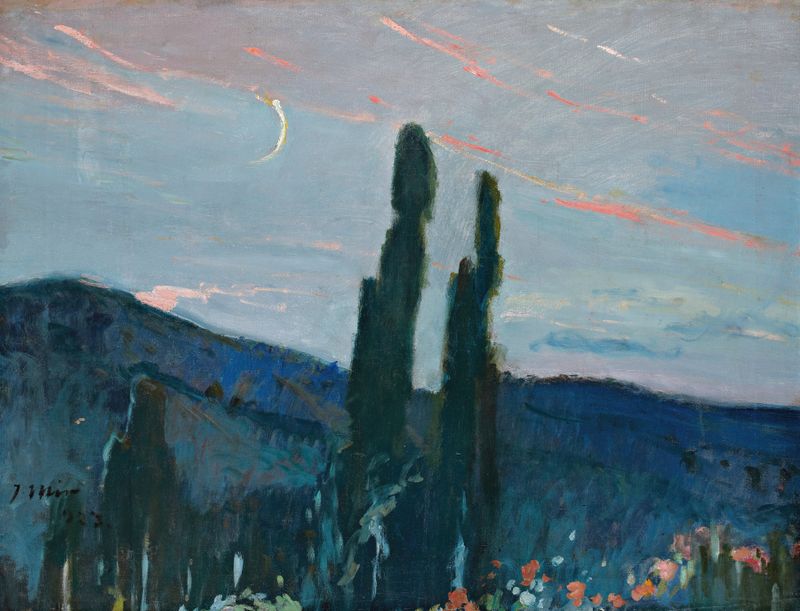
Atardecer (Twilight)
Joaquin Mir Trinxet
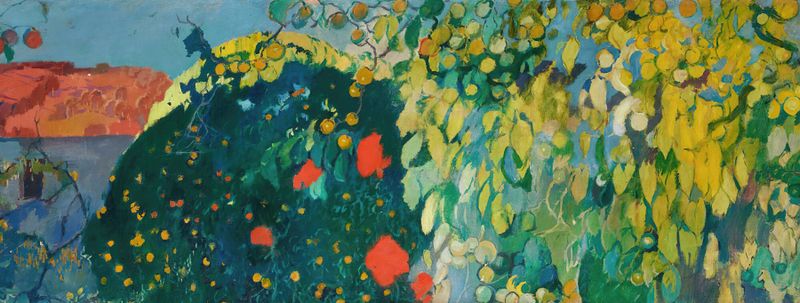
Paisaje Enmarcado Por Grandes Árboles
Joaquin Mir Trinxet





