Canal Grande in Venice — History & Facts
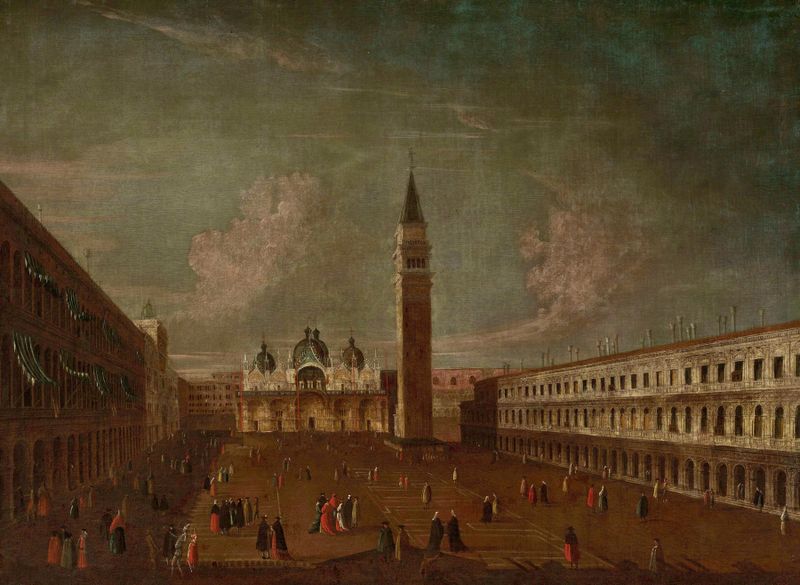
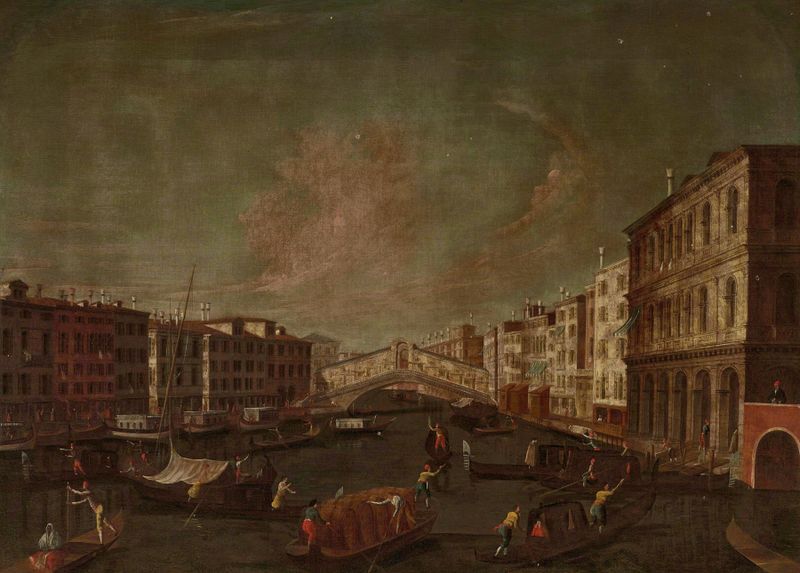
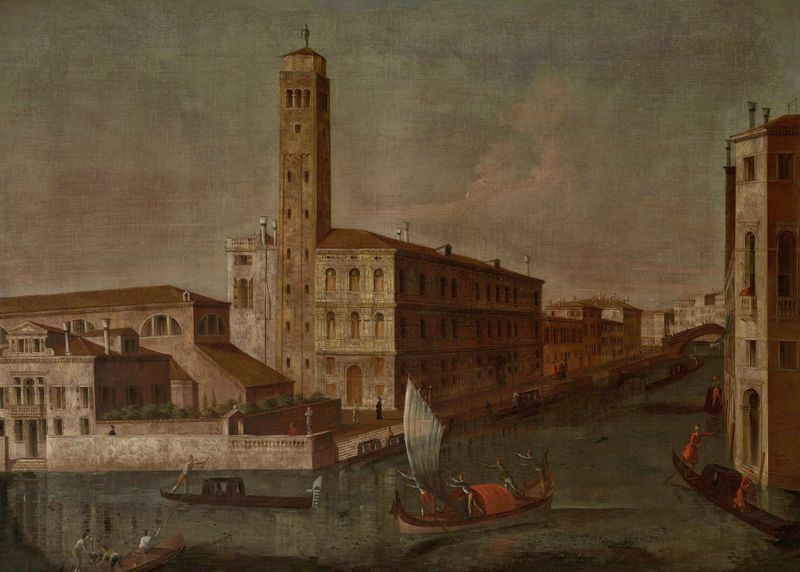
Shadows play across the scene, hinting at stories untold—traces of longing and memory that linger just out of reach. Look to the left at the gentle curve of the canal, where boats drift lazily on shimmering waters. Notice how the light dances off the surface, creating a mosaic of reflections that blend seamlessly with the soft pastels of the Venetian buildings. The composition is carefully orchestrated, leading your gaze from the elegant architecture on the banks to the bustling activity on the water, all enveloped in a warm golden hue that bathes the entire scene. Delve deeper into the contrasts present in this work: the serene beauty of the canal against the shadowed corners of city life, where secrets may be kept.
The juxtaposition of light and shadow serves as a reminder that not all beauty is uncomplicated; behind the idyllic façade lies a bustling city marked by histories and hidden struggles. The shadows evoke a feeling of nostalgia and melancholy, intertwining the joy of momentary beauty with a deeper sense of longing. Created between 1742 and 1770, this painting emerged from the skilled hand of an artist who found inspiration in the vibrant life of Venice. During this period, Bellotti di Canaleti was deeply engaged with the Baroque style, yet he began to infuse it with a unique approach that emphasized atmospheric effects.
The world was transitioning, and so was art, moving toward the Enlightenment, where beauty would be interpreted through a lens that included the complex interplay of light, shadow, and human experience.