
Canal in Autumn (Gisors) — History & Facts
What secret hides in the quiet of the canvas? In the stillness of Canal in Autumn (Gisors), the viewer is beckoned to explore the delicate interplay of color and form, where a serene canal reflects not only the vibrant hues of the season but also the subtle chaos of the human mind. Look to the right at the soft, dappled light filtering through the golden leaves overhead, illuminating the water's surface with flickers of rust and amber. The gentle brushstrokes create a textured harmony, leading your eye across the scene—where a lone figure stands, seemingly lost in thought beside the tranquil water. The muted palette evokes a somber yet enchanting atmosphere, revealing the tension between nature's beauty and the underlying madness that can swirl within one's consciousness. In this work, the contrast between the calm water and the turbulent emotions lies at the heart of the composition.
Notice how the dark, looming trees frame the scene, their shadows suggesting hidden depths and unspoken fears. The solitary figure, cloaked in shadow, embodies the isolation that often accompanies introspection, as if the surrounding beauty offers solace while simultaneously amplifying the solitude of the observer’s mind. This juxtaposition speaks to the fragility of sanity amid the allure of nature's splendor. Henri Le Sidaner painted Canal in Autumn (Gisors) in 1913 while living in France, during a period marked by the rise of modernism and experimentation in art.
He was deeply influenced by the Impressionist movement but sought to express his own inner emotional landscapes rather than mere external realities. At this time, the world was precariously balancing on the brink of change, and in the midst of personal and global uncertainty, Le Sidaner captured an essence of beauty tinged with introspective madness, inviting viewers to confront their own silent struggles.
More Artworks by Henri Le Sidaner
Browse all →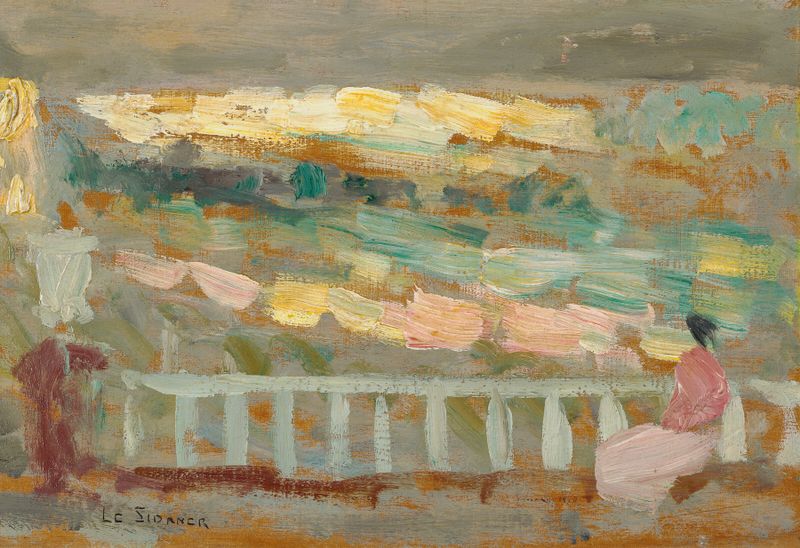
Terrasse à Gerberoy
Henri Le Sidaner
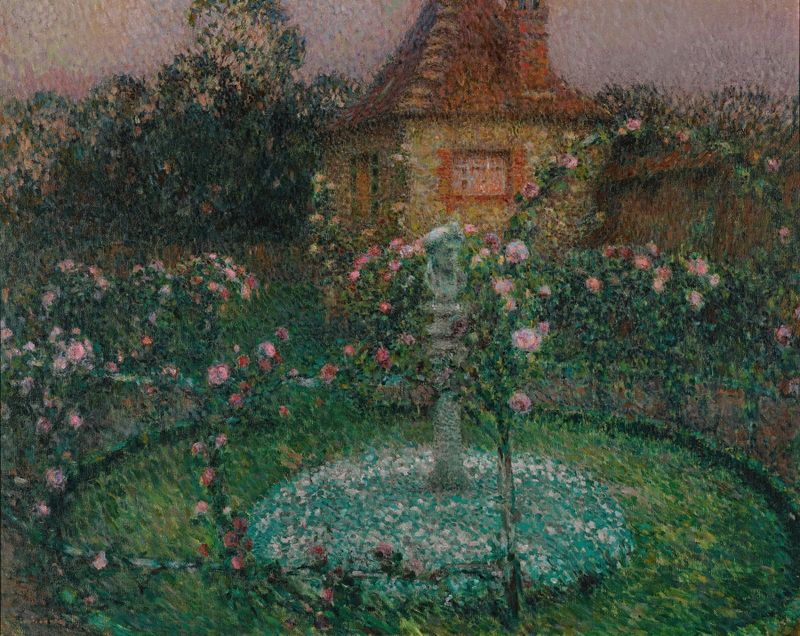
Le Pavillon, Gerberoy
Henri Le Sidaner
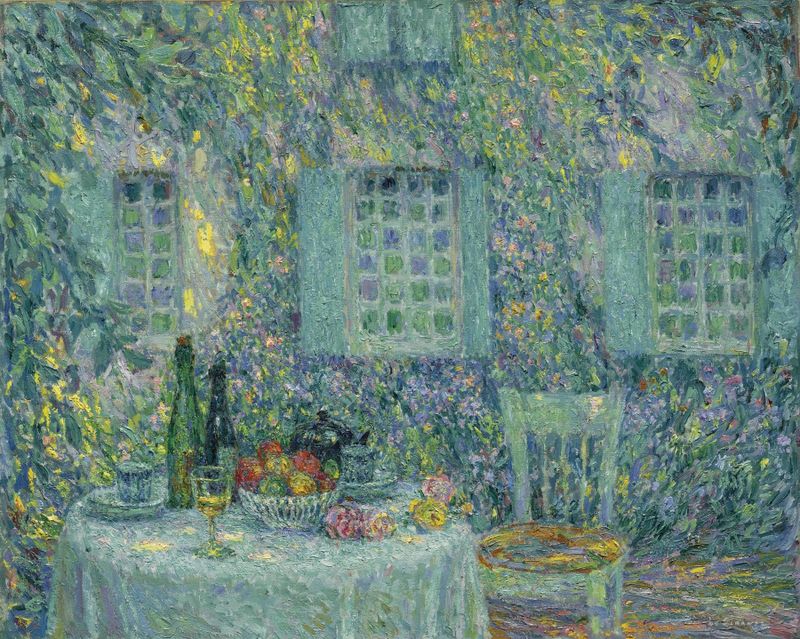
La Table, soleil dans les feuilles, Gerberoy
Henri Le Sidaner
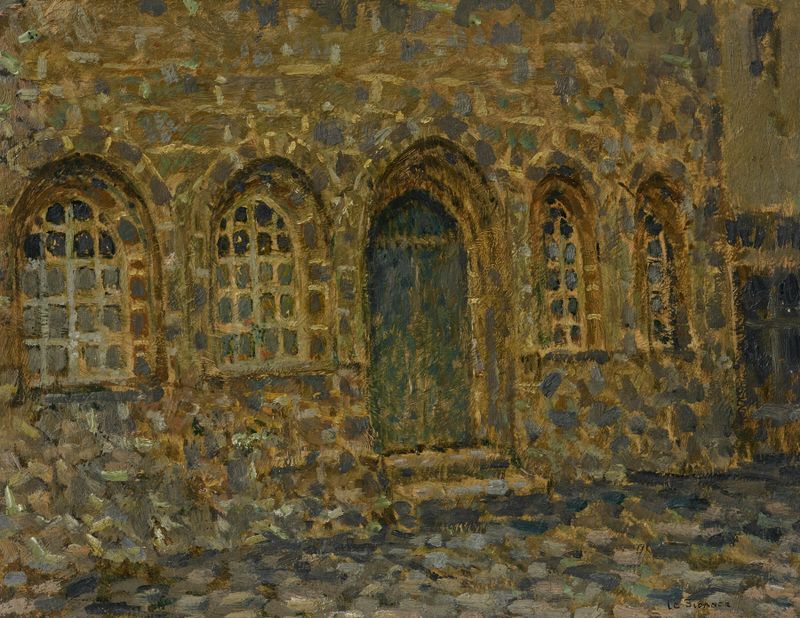
Maison ancienne, Tréguier
Henri Le Sidaner
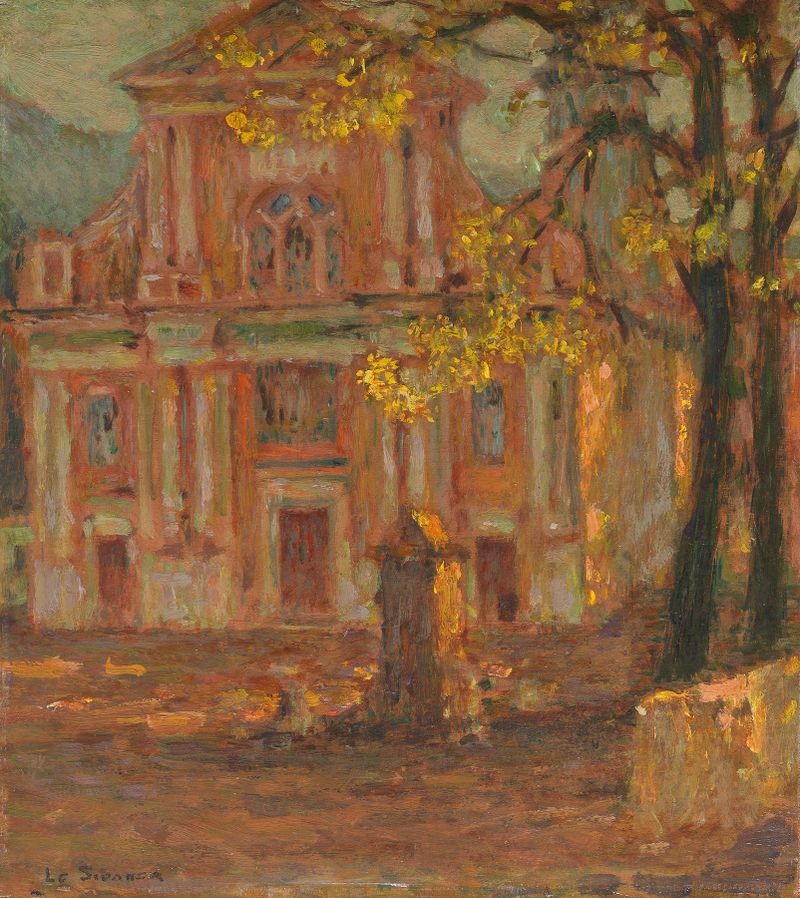
L’église, Dolceacqua
Henri Le Sidaner
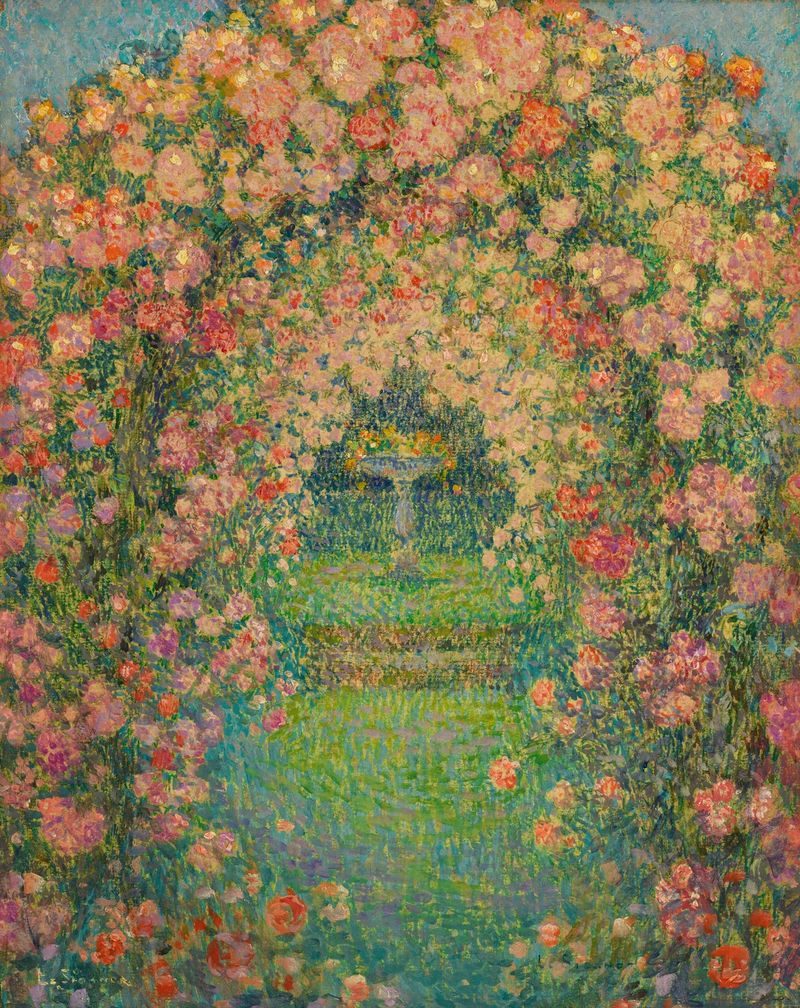
La Roseraie, Gerberoy
Henri Le Sidaner
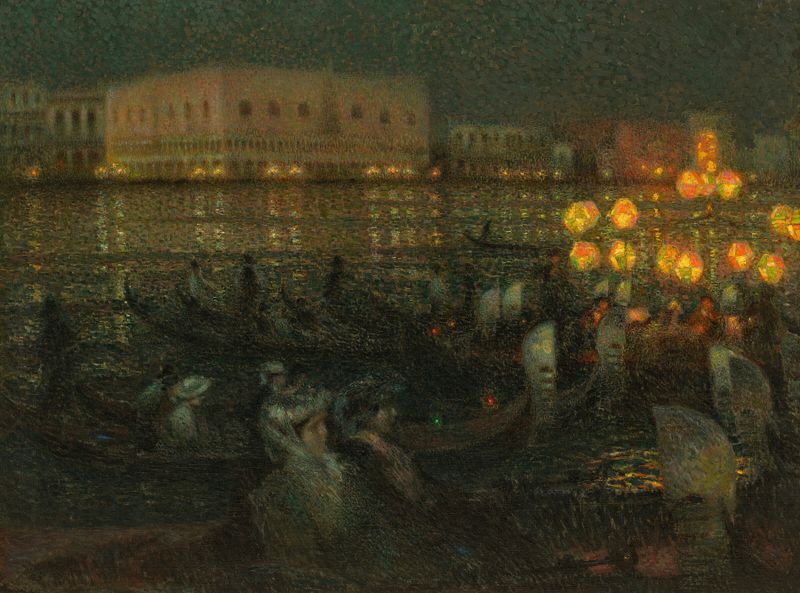
La Sérénade, Venise
Henri Le Sidaner
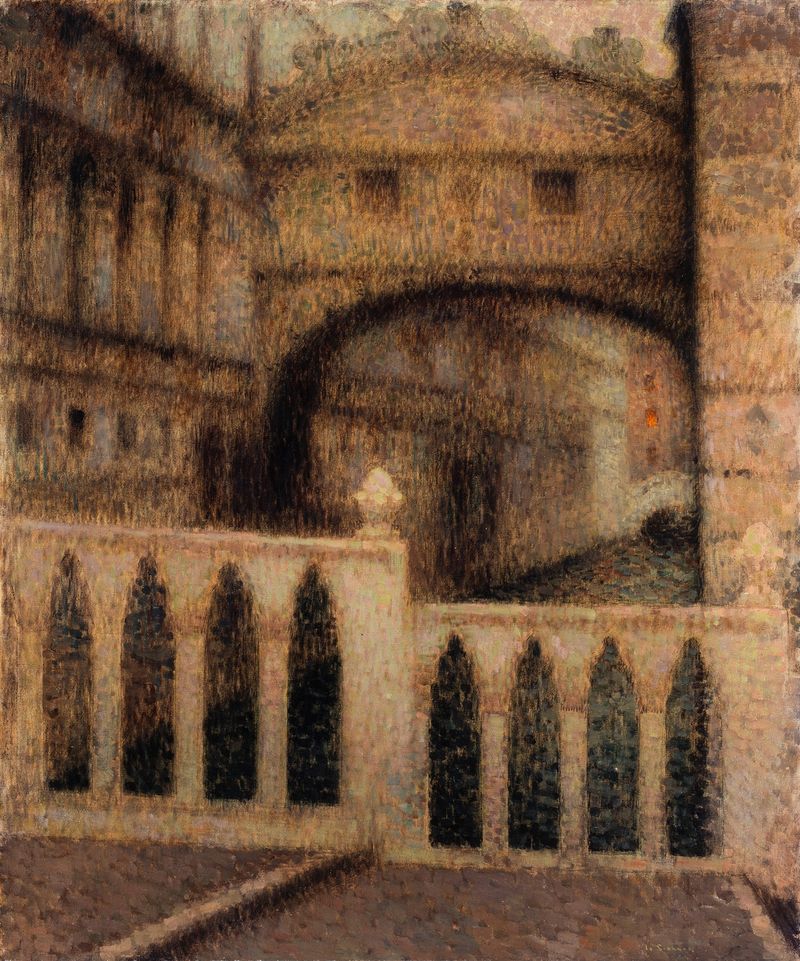
Le pont des Soupirs
Henri Le Sidaner
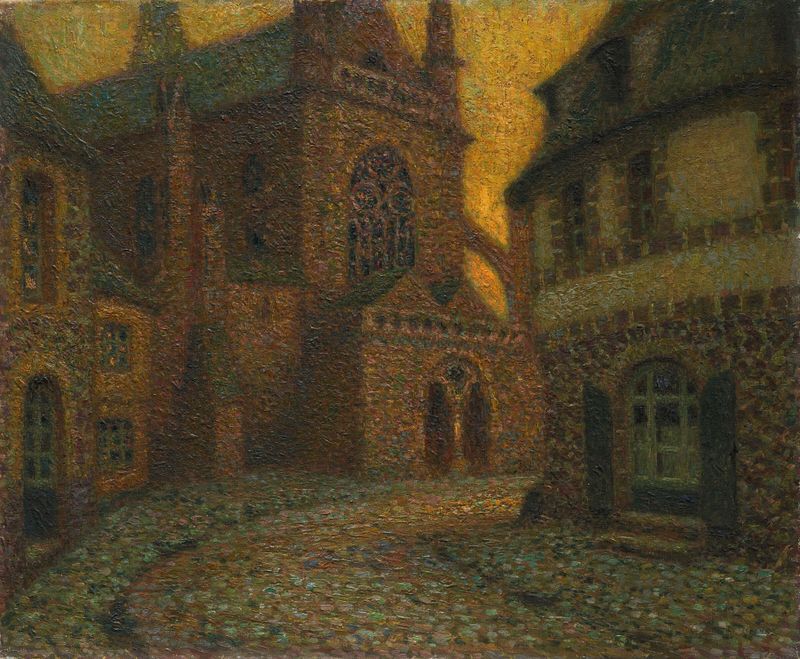
L’Église, Tréguier
Henri Le Sidaner
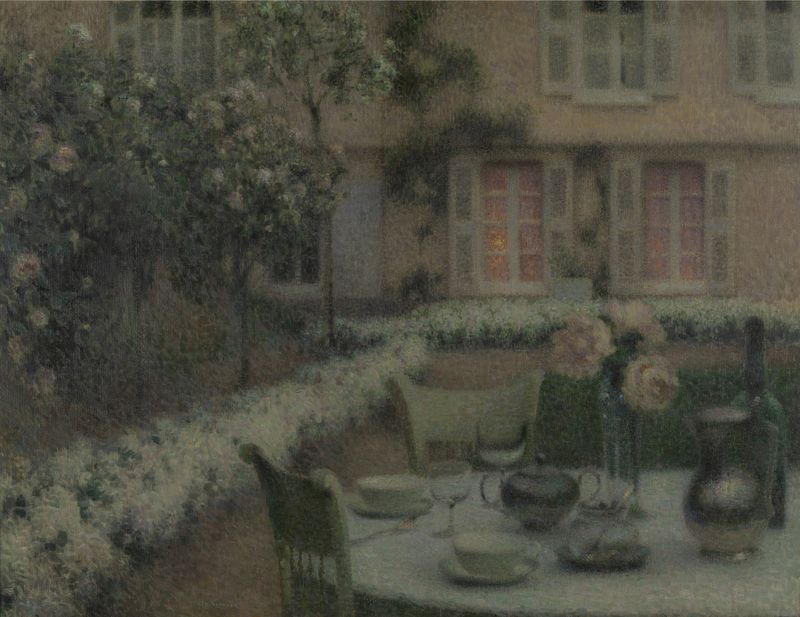
The Table in the White Garden at Gerberoy
Henri Le Sidaner





