
Canal in Venice — History & Facts
Is this a mirror — or a memory? The still waters of the canal beckon us into a world where time seems to dissolve, echoing the echoes of whispered histories and dreams. Look to the foreground, where the gentle ripples dance delicately upon the water's surface, reflecting the soft hues of twilight. Notice how the artist employs a palette of muted blues and earthy browns, imbuing the scene with a sense of calm and beauty. The buildings on either side rise elegantly, their facades touched by the fading light, guiding the viewer’s gaze deeper into the heart of Venice.
The layered brushstrokes create a texture that feels both real and ethereal, a delicate balance that mirrors the city's own duality. Delve into the details: the way the gondola floats with a serene grace, its silhouette almost a part of the landscape, speaks to the harmony of life within this storied city. In the distance, shadows hint at the passage of time; the sun dips low, casting a golden glow that evokes nostalgia for moments past. There’s a tension here between the enduring beauty of Venice and the inevitability of change, a reminder that even the most picturesque scenes are fleeting. In the 1880s, the artist crafted this work while immersed in the burgeoning movement of Impressionism, which sought to capture the transient effects of light and atmosphere.
Living in Spain but drawn to Italy, he found inspiration in the winding canals and rich history of Venice during a time when the city was both a tourist destination and a subject of fascination for many artists. This painting reflects not just a place, but a longing for connection to beauty and memory.
More Artworks by Martin Rico y Ortega
Browse all →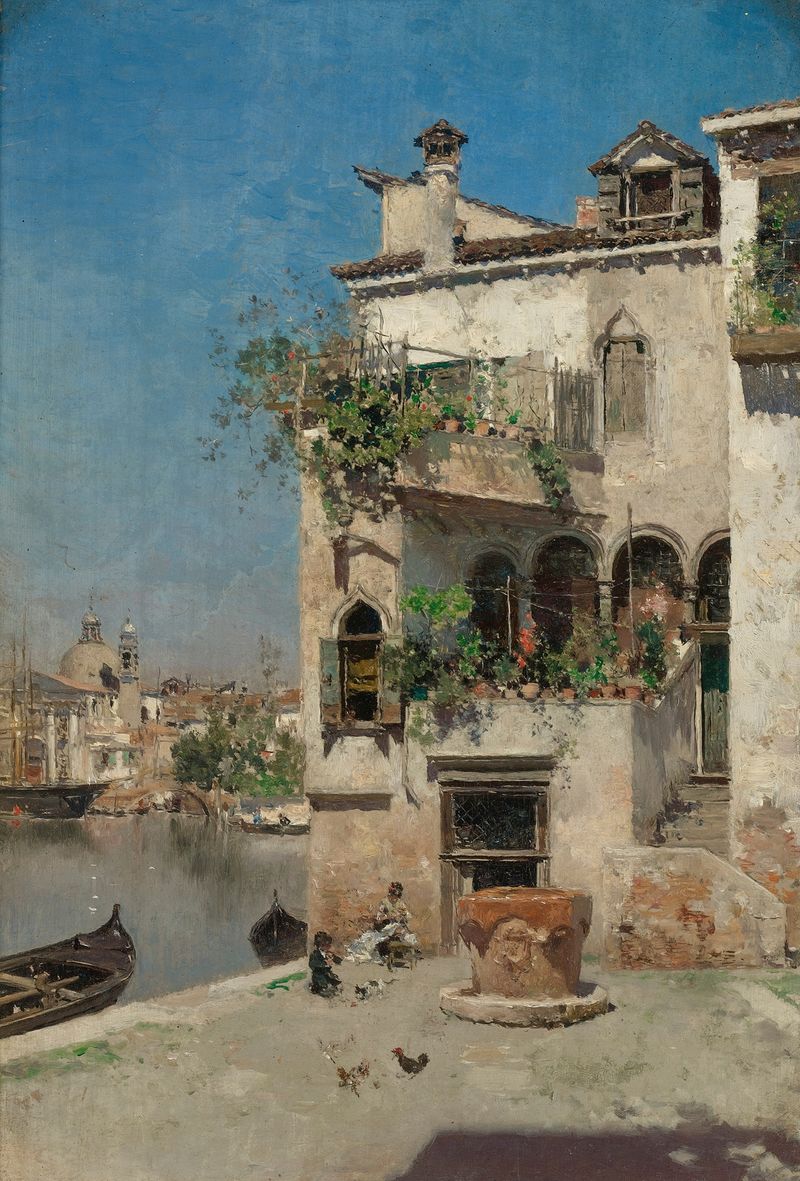
A Quiet Afternoon In Venice
Martin Rico y Ortega

Gondolas on a Venetian canal
Martin Rico y Ortega
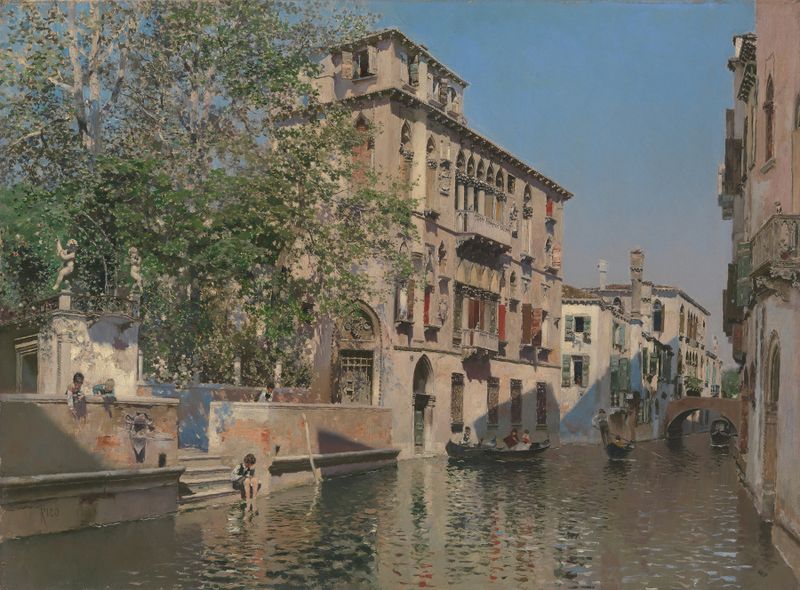
A Canal in Venice
Martin Rico y Ortega

Rio Di San Barnaba, Venice
Martin Rico y Ortega
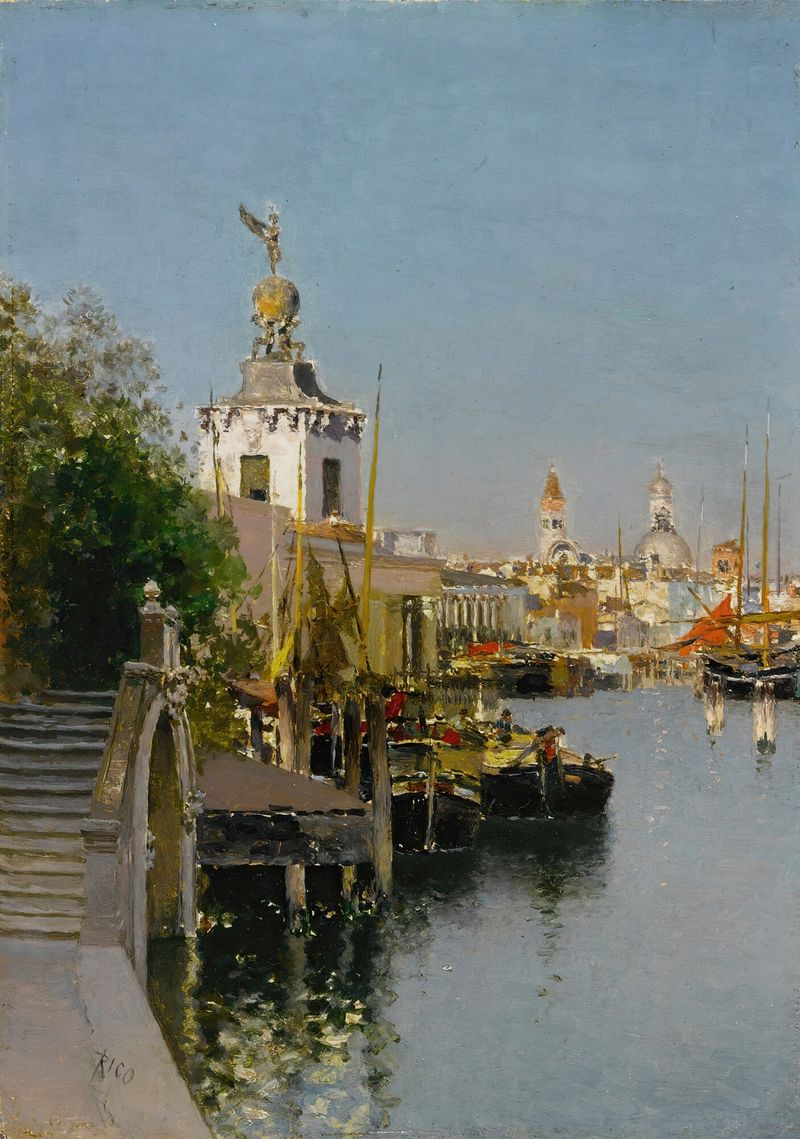
Canal, Venice
Martin Rico y Ortega
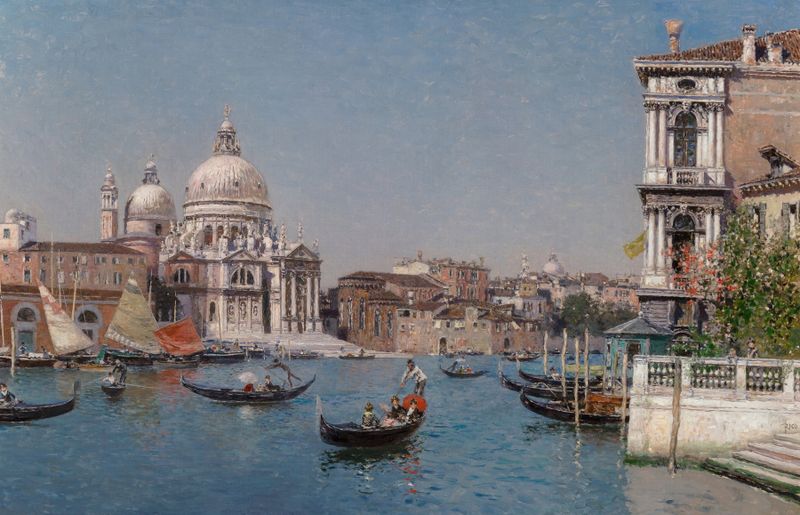
The Grand Canal, Venice
Martin Rico y Ortega

Venice
Martin Rico y Ortega
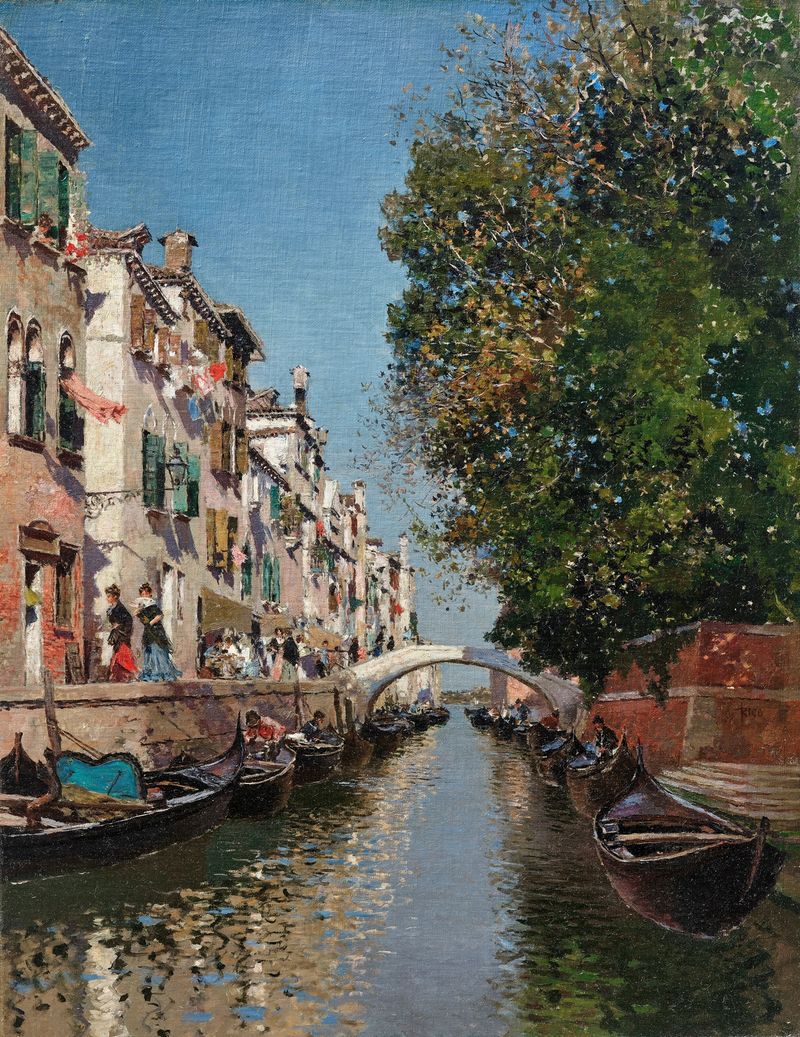
A Sunny Day on a Venetian Canal
Martin Rico y Ortega
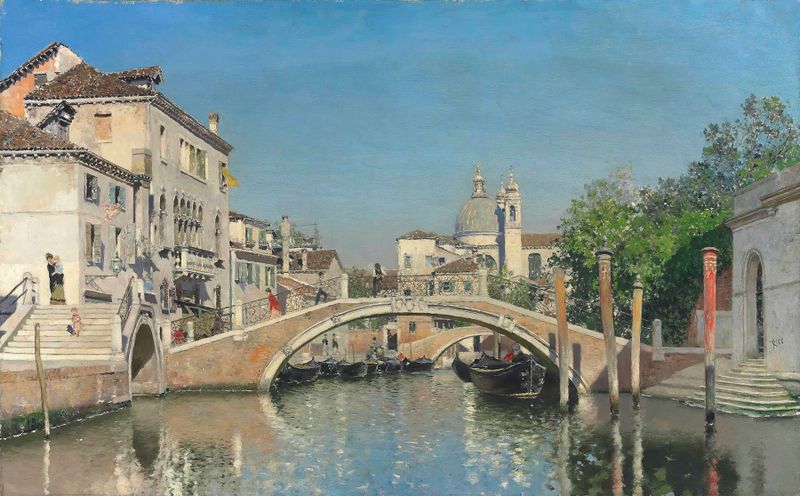
A Venetian Canal With Gondolas, Santa Maria Della Salute Beyond
Martin Rico y Ortega

Santa Maria della Salute and the Dogana, Venice
Martin Rico y Ortega





