
The Grand Canal, Venice — History & Facts
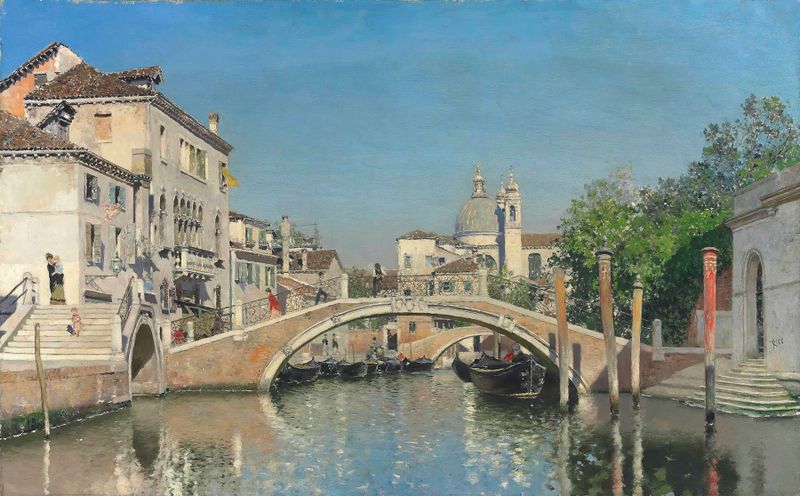
Can beauty exist without sorrow? In The Grand Canal, Venice, the vibrant hues of a sunset reflect on the water, a reminder of ephemeral grace intertwined with loss. Focus first on the left side of the canvas, where the sun dips below the horizon, casting a warm golden glow over the serene ripples of the canal. The architecture of Venice emerges gracefully, with intricate buildings that stand proud yet melancholy, their colors washed by time. Notice how Rico y Ortega employs delicate brushstrokes to evoke the fluidity of water, allowing the light to dance across the surface, creating an almost dreamlike atmosphere. Yet, beneath the surface of this picturesque scene lies a deeper emotional current.
The juxtaposition of light and shadow tells a story of fleeting moments and the passage of time, as the vibrant life of the city transitions into the stillness of evening. The gondolas, moored silently, serve as vessels of memory, inviting reflections on journeys—both taken and longed for. This moment, captured with such grace, conveys a bittersweet beauty, suggesting that every serene view is tinged with a whisper of longing. In 1890, when this artwork came to life, the artist was navigating the vibrant art scene of Paris and Europe, influenced by the Impressionists yet holding onto his unique Spanish perspective.
Rico y Ortega was drawn to the enchanting canals of Venice, a city that epitomized both beauty and melancholy, reflecting his own thoughts amid the shifting tides of the late 19th century.
More Artworks by Martin Rico y Ortega
Browse all →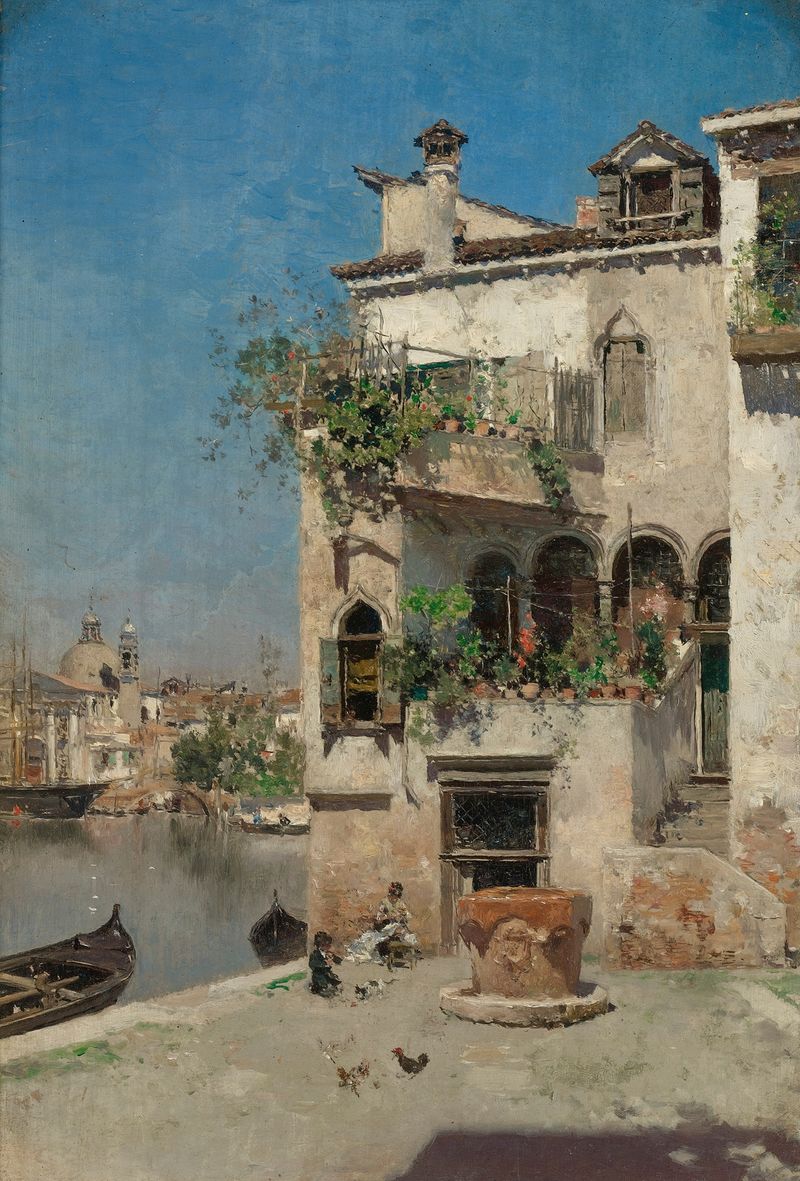
A Quiet Afternoon In Venice
Martin Rico y Ortega

Gondolas on a Venetian canal
Martin Rico y Ortega
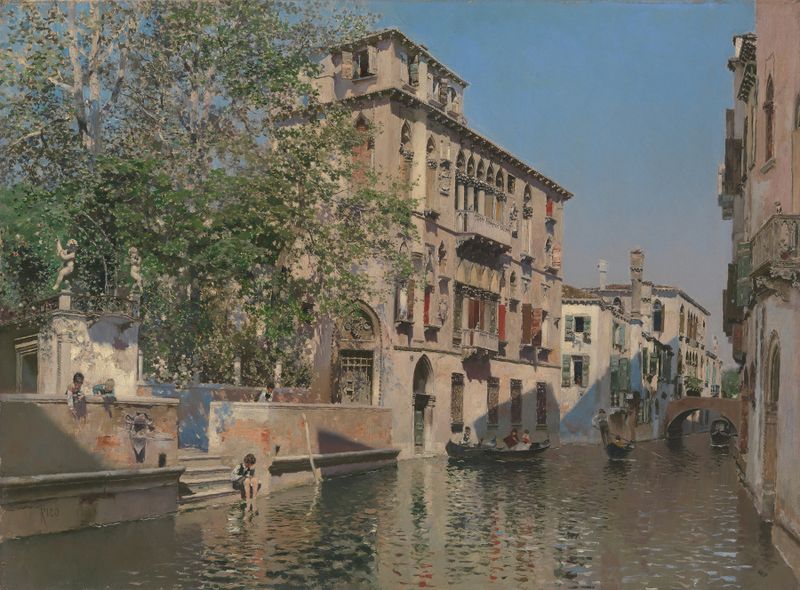
A Canal in Venice
Martin Rico y Ortega

Rio Di San Barnaba, Venice
Martin Rico y Ortega
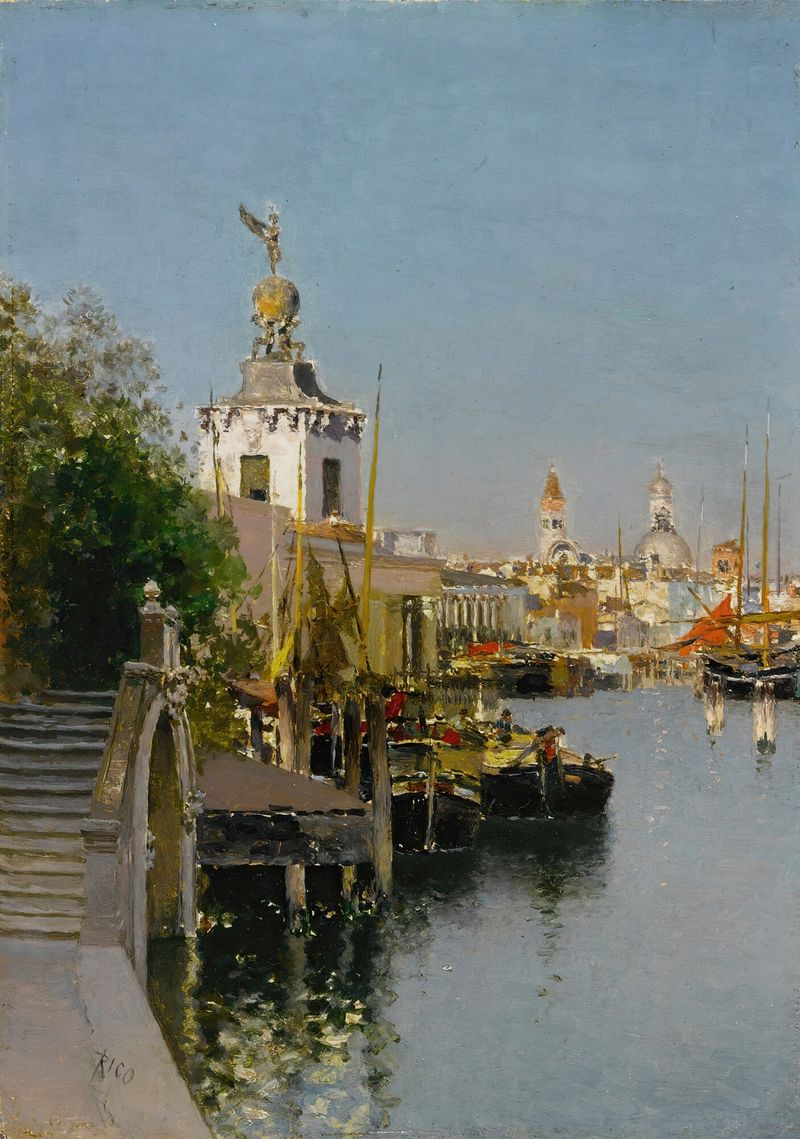
Canal, Venice
Martin Rico y Ortega

Venice
Martin Rico y Ortega

Canal in Venice
Martin Rico y Ortega
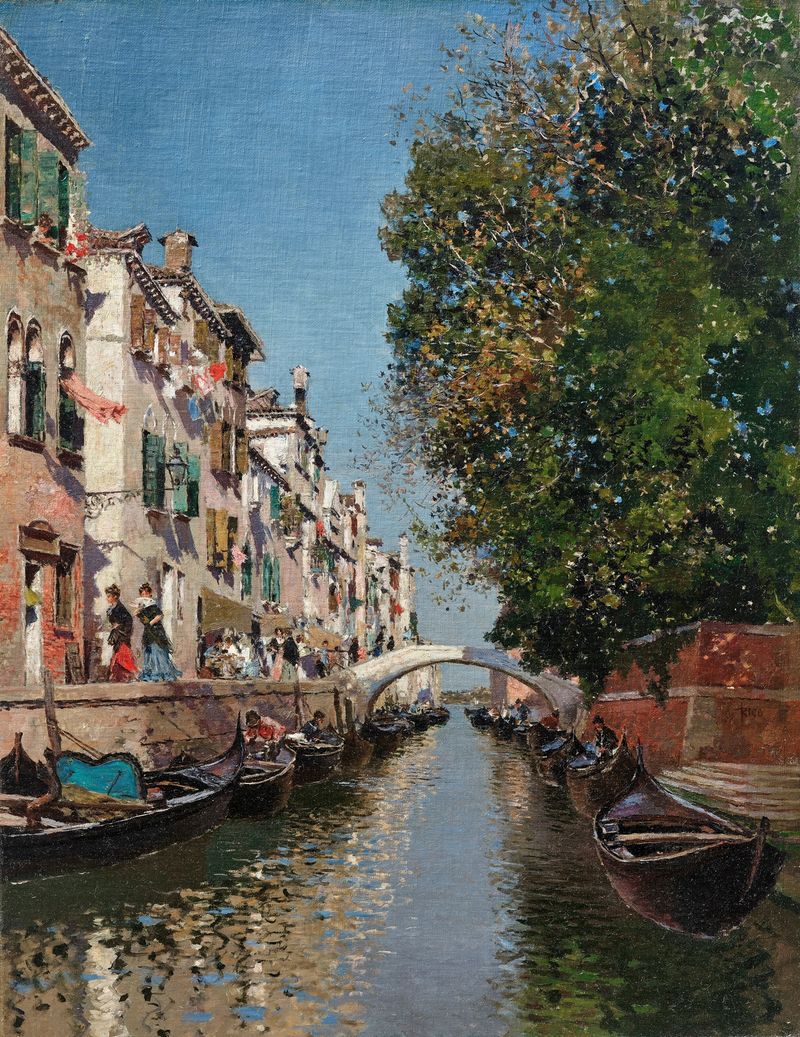
A Sunny Day on a Venetian Canal
Martin Rico y Ortega
A Venetian Canal With Gondolas, Santa Maria Della Salute Beyond
Martin Rico y Ortega

Santa Maria della Salute and the Dogana, Venice
Martin Rico y Ortega





