
Capri — History & Facts
What if beauty was never meant to be finished? In Capri, the viewer is drawn into a world suspended between reality and reverie, where nature’s splendor unfolds as a continuous dance of light and shadow. Focus on the gentle swell of the coastline, where the azure sea kisses the rugged cliffs. Notice how the luminous hues of blue and green intermingle, creating a sense of depth and vibrancy. The warm golden light of the sun spills across the canvas, illuminating the craggy rocks and casting delicate shadows that hint at the hidden secrets of this idyllic landscape.
The brushwork, both soft and precise, invites you to explore each crevice and curve, making the scene feel alive and breathing. Beneath the surface beauty, there lies a subtle tension between the eternal and the ephemeral. The soft reflections in the water suggest a moment of clarity, yet the rippling waves remind us that nothing lasts forever. This duality echoes in the contrasting elements of the scene: the solid, imposing cliffs stand steadfast against the fluidity of the ocean, symbolizing our struggle to grasp fleeting moments of perfection.
Holmes captures not just a place, but the emotions elicited by its transient beauty. William Henry Holmes created Capri in 1880 while residing in the United States and traveling through Europe. This period marked a significant evolution in his artistic journey, as he sought to blend observational realism with romantic ideals. Influenced by the burgeoning American Impressionism movement, he aimed to encapsulate the essence of landscapes, reflecting both his personal experiences and the changing tastes of a society captivated by nature's allure.
More Artworks by William Henry Holmes
Browse all →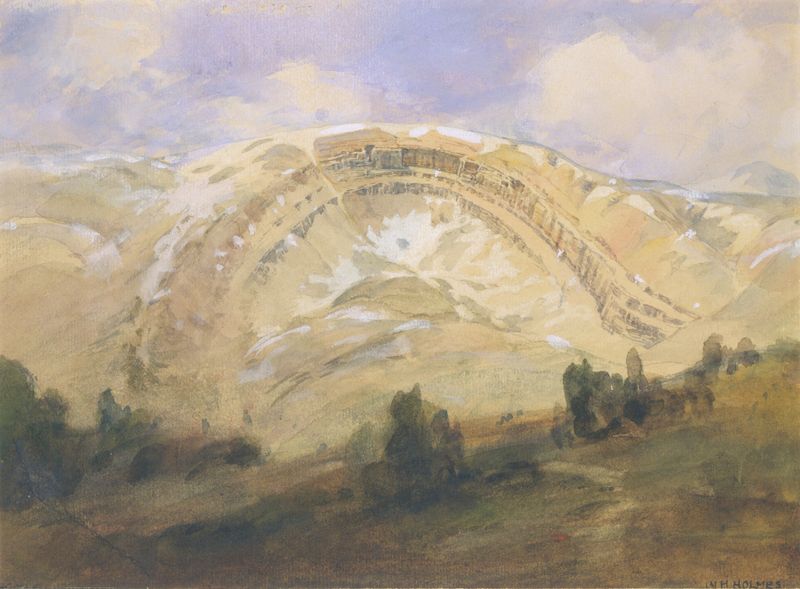
Folded Strata, A Great Geological Arch, Colorado
William Henry Holmes
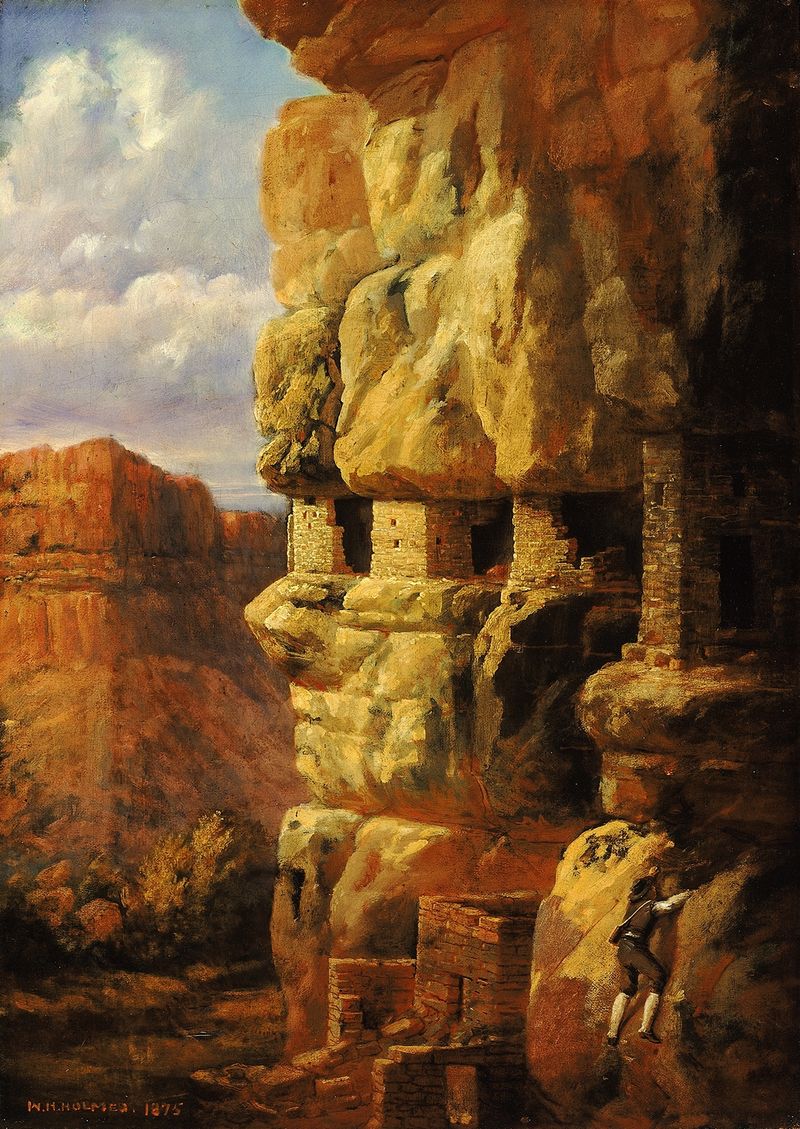
Cliff Houses On The Rio Mancos, Colorado
William Henry Holmes
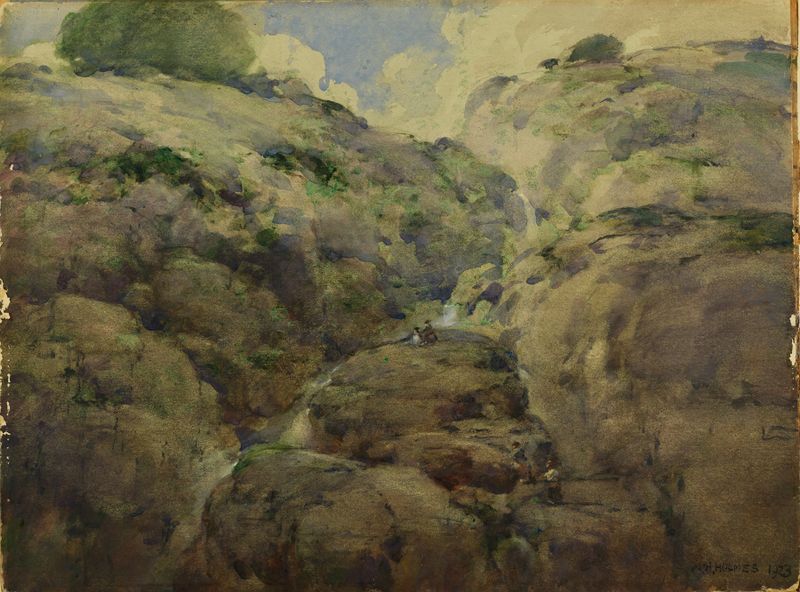
Mountain Gorge, Colorado
William Henry Holmes
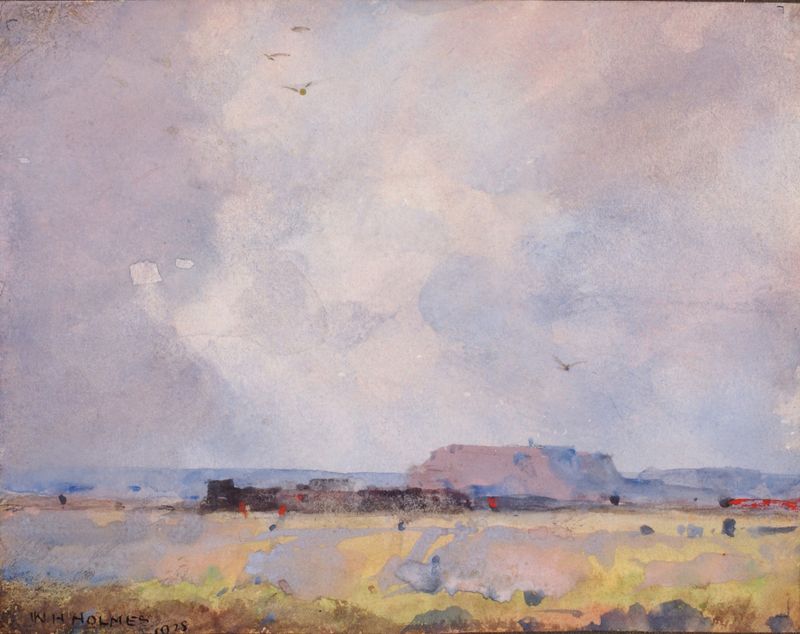
In The Plateau Country, With An Inhabited Pueblo
William Henry Holmes
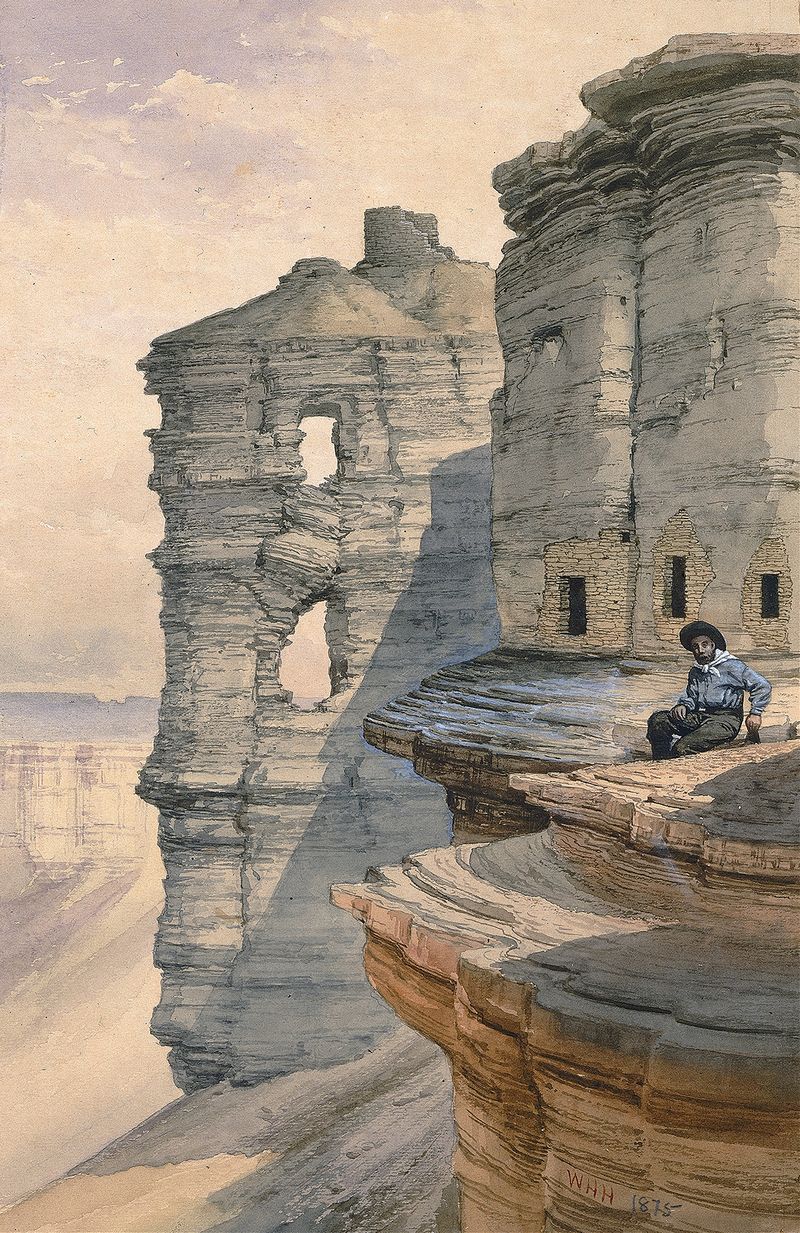
Cliff Houses on the Rio Mancos, Colorado
William Henry Holmes
Cliff Houses On The Rio Mancos, Colorado
William Henry Holmes
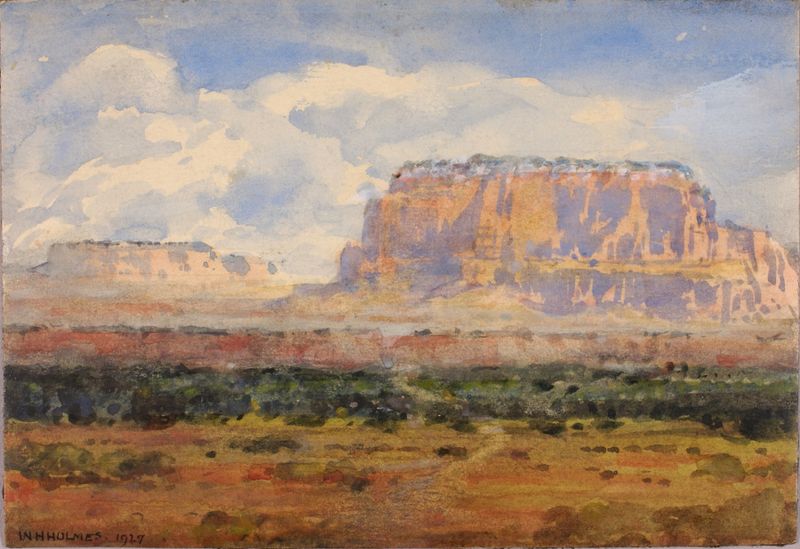
The Enchanted Mesa
William Henry Holmes
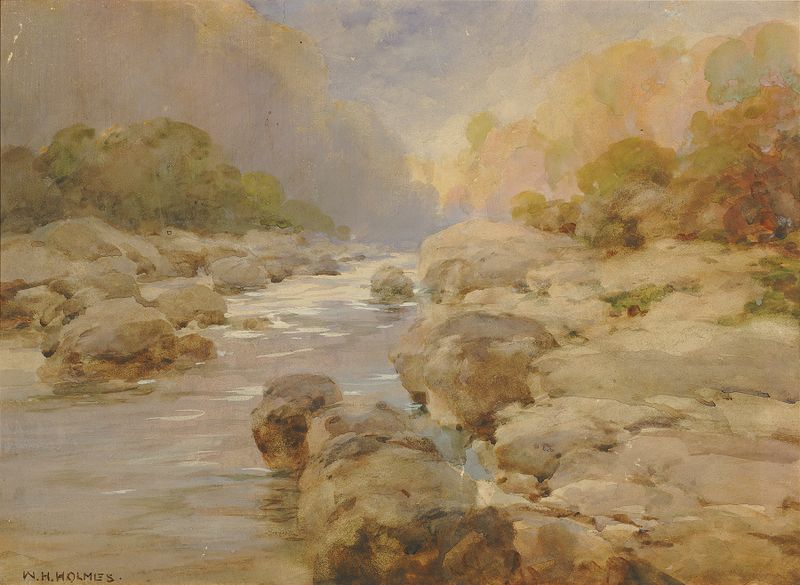
Unmodified Rock Creek, About 1910
William Henry Holmes
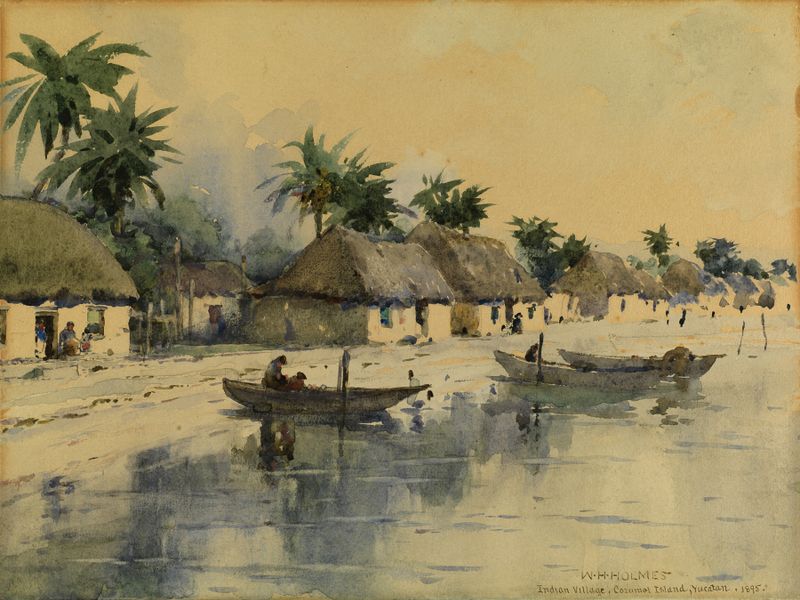
Indian Village, Cozumel Island, Yucatan
William Henry Holmes
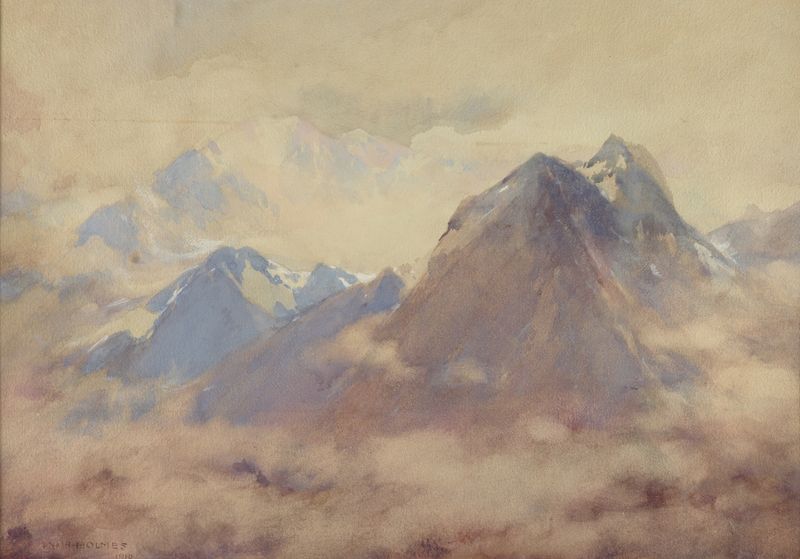
The Almighty’s Own, An Impression Of The High Andes
William Henry Holmes





