
Capriccio with Ruins — History & Facts
What if beauty was never meant to be finished? In Capriccio with Ruins, the ethereal remnants of a forgotten world merge with the whimsical imagination, invoking a bittersweet nostalgia that lingers in the air. Focus on the center of the canvas, where the fragmented pillars rise against a turbulent sky, their surfaces kissed by a gentle light that gives life to the crumbling stone. The artist's use of soft, muted hues creates a dreamlike quality, inviting you to wander through this architectural reverie. Look closely at the shadows that dance around the ruins, emphasizing the contrast between decay and the fleeting beauty of the scene.
The delicate brushwork reveals a meticulous attention to detail, drawing your gaze through the intricate interplay of nature and man-made structures. Hidden meanings pulse beneath the surface of this idyllic landscape. The juxtaposition of the majestic ruins and the lush greenery speaks to the relentless passage of time, suggesting that beauty, like history, is often transient. Additionally, the sky, swirling with stormy clouds, hints at an impending change, evoking feelings of melancholy and reflection.
This tension between the idealized past and the inevitable decay raises profound questions about our relationship with beauty and memory. Created around 1750, this masterpiece reflects Pietro Bellotti's life during a period of personal upheaval and transformation in the art world. Working in Venice, he was influenced by the burgeoning Rococo style, characterized by its embrace of fantasy and ornamentation. As Europe was shifting into a new age of enlightenment and reason, Bellotti's romanticized visions of ruins present a poignant contrast, capturing an eternal longing for what once was while simultaneously celebrating the fleeting nature of beauty.
More Artworks by Pietro Bellotti
Browse all →
Venice with the Punta della Dogana, looking East towards the Doge’s Palace
Pietro Bellotti
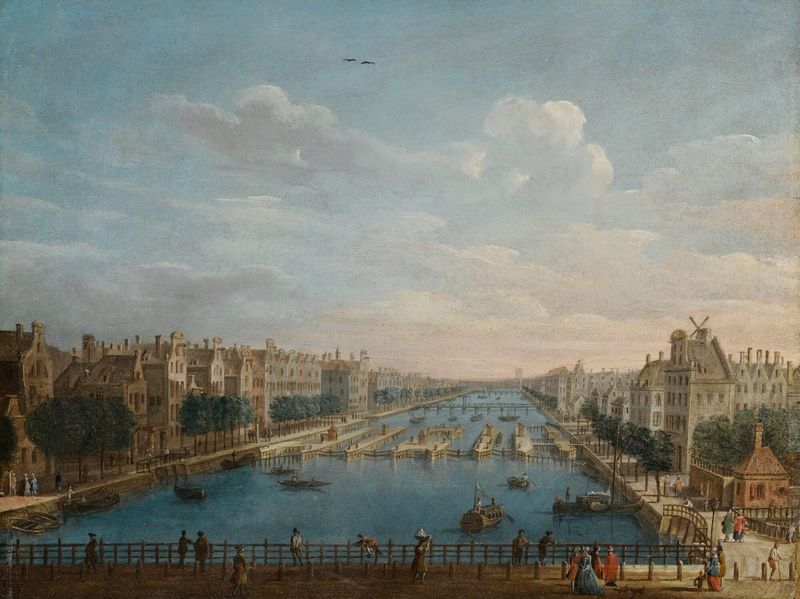
A View Of The Binnen Amstel Looking North
Pietro Bellotti
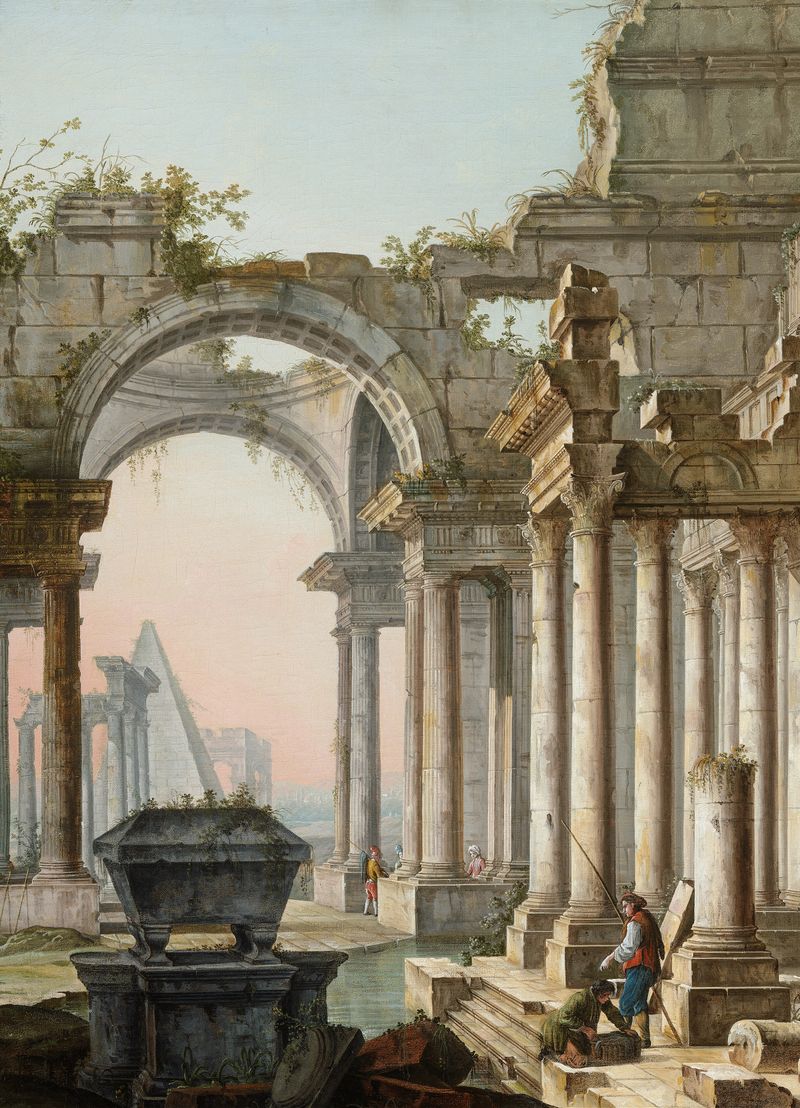
Capriccio with Ruins
Pietro Bellotti
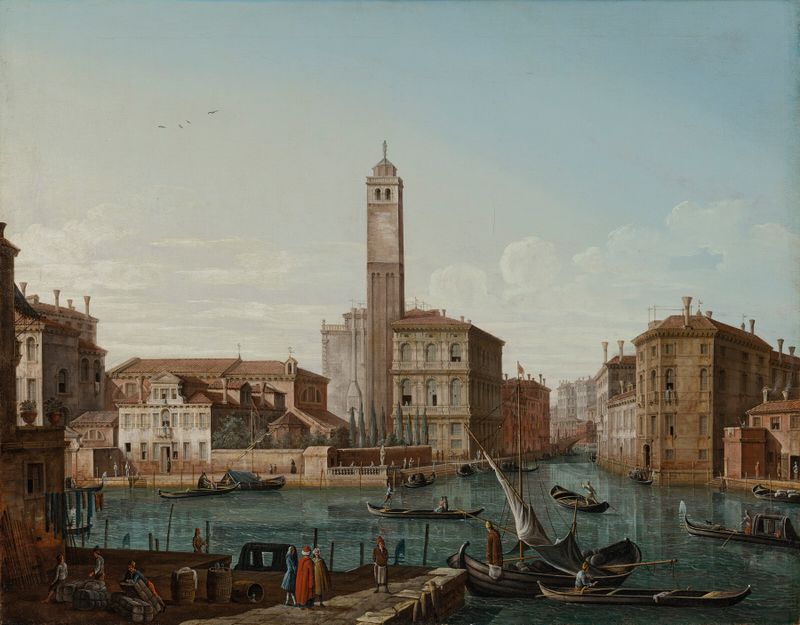
Venice with the Grand Canal, S. Geremia and the entrance to the Cannaregio
Pietro Bellotti

Capriccio With Figures In Front Of The Ruins Of A Church
Pietro Bellotti





