Capture of the Banda Neira — History & Facts
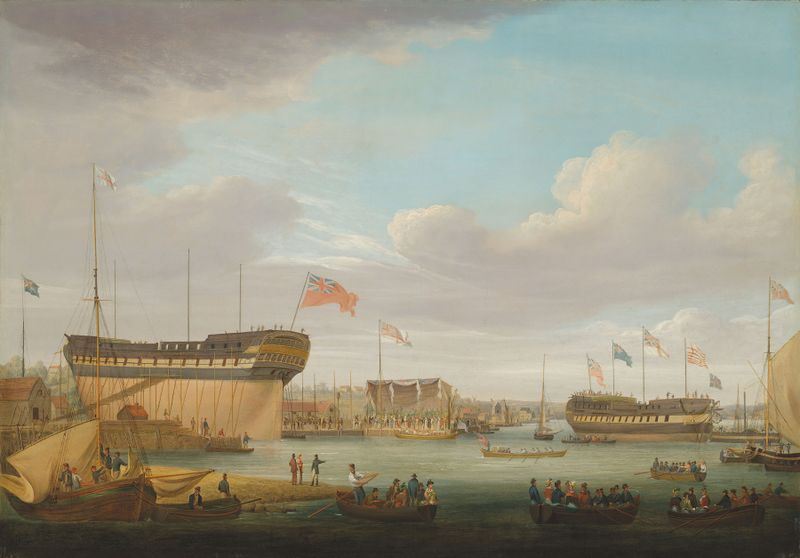
The haunting loneliness depicted in this artwork echoes through its stillness, inviting a profound reflection on isolation and longing. Look to the center of the canvas, where a solitary figure stands against a vast, desolate landscape. The muted earth tones—grays and browns—contrast sharply with the faint hints of blue in the sky, creating an atmosphere that feels both oppressive and melancholic. The brushwork, both fluid and deliberate, reveals the layers of the scene, as if each stroke captures the weight of solitude.
The absence of other figures heightens the sense of abandonment, urging the viewer to confront the quiet despair emanating from the composition. Delve deeper and notice the subtle details, like the tattered fabric of the figure’s clothing, which speaks to a life of hardship and survival. The sparse vegetation surrounding the figure mirrors their emotional state, a testament to resilience in a barren world. The interplay of light and shadow plays a critical role here; it suggests fleeting moments of hope amidst overwhelming desolation, hinting at the duality of existence—both beautiful and tragic. Created during a time of great artistic exploration in the late 19th century, the artist conveyed a profound sense of isolation that resonated with the prevailing themes of existentialism.
While the exact date of this work remains uncertain, John Lynn was known for capturing emotive landscapes that reflected the human condition. As the world around him grappled with rapid change, his exploration of loneliness remains a timeless reminder of our shared vulnerabilities.