
Castle on the Seashore — History & Facts
What secret hides in the quiet of the canvas? The illusion of a distant castle perched atop a craggy cliff captivates the viewer, suggesting tales of grandeur and mystery that transcend time. Focus on the interplay of light and shadow along the shoreline, where the gentle waves kiss the land. To the left, your gaze is drawn to the lush greenery that frames the scene, its vibrant hues contrasting sharply with the muted tones of the castle stone. Notice how the painter's delicate brushwork creates a sense of movement in the water, echoing the whimsy of Brueghel's landscapes while evoking a tranquil yet unsettled atmosphere. Beneath the serene surface lies a tension between reality and illusion.
The castle, an emblem of both strength and isolation, stands as a solitary figure watching over the vastness of the seascape. The clouded sky hints at change, perhaps a tempest brewing, which reflects the precariousness of human endeavor against nature. Each detail, from the distant sails on the horizon to the breaking waves, speaks to the duality of beauty and danger, inviting contemplation on the natural world’s power. The work was created in the 17th century by a follower of a prominent Flemish artist during a time when the Netherlands were experiencing both artistic flourishing and political strife.
While the original master, Jan Brueghel the Elder, was celebrated for his idyllic landscapes and intricate details, this follower sought to capture the same essence, exploring themes of harmony and illusion in a world undergoing significant transformation.
More Artworks by Follower of Jan Brueghel the Elder
Browse all →
Abbey of Groenedael near Brussels
Follower of Jan Brueghel the Elder
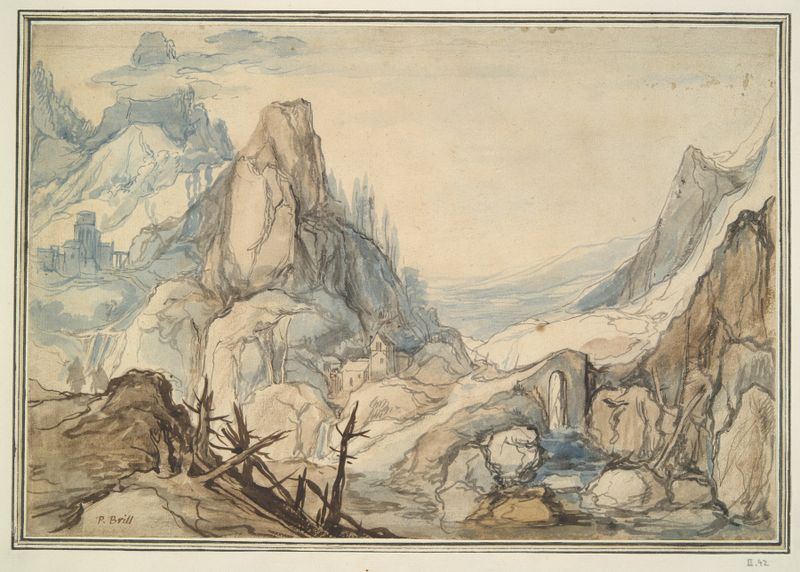
Mountainous Landscape
Follower of Jan Brueghel the Elder

Mountainous Landscape with Village in Valley and Distant View
Follower of Jan Brueghel the Elder
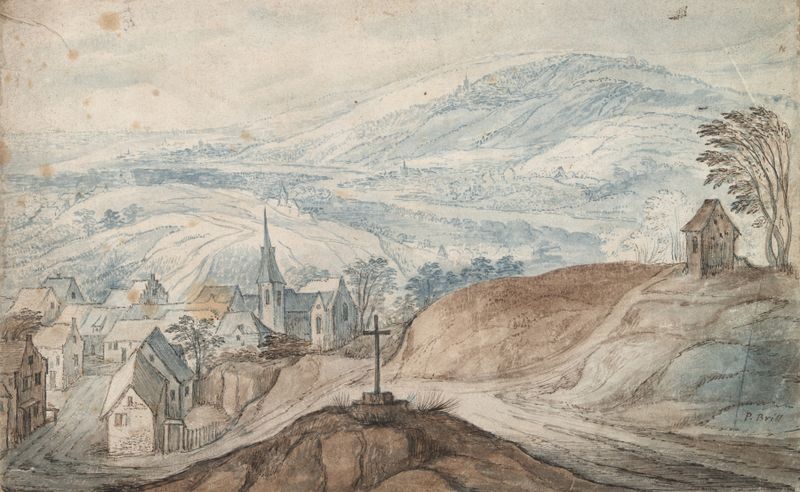
Landscape with Village near Crossroads and Distant View
Follower of Jan Brueghel the Elder
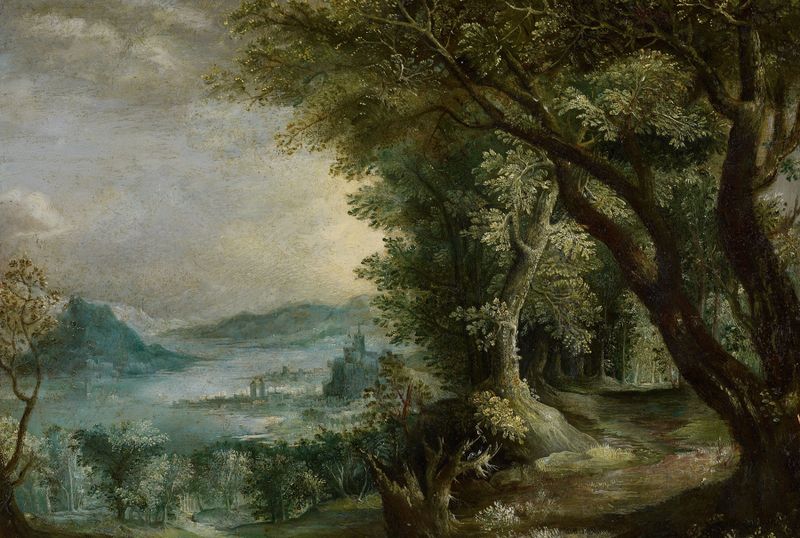
Imaginary Landscape
Follower of Jan Brueghel the Elder
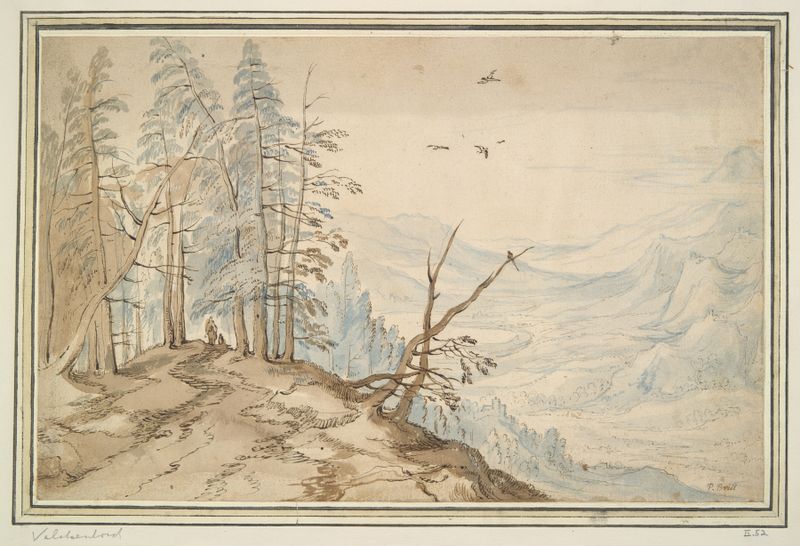
View in a Valley from the Edge of a Mountain Road
Follower of Jan Brueghel the Elder





