
Mountainous Landscape — History & Facts
In the quiet embrace of a mountainous landscape, raw emotions surface, hidden beneath layers of serene beauty. This artwork speaks to the fear that stirs within, reflecting humanity's struggle against the overwhelming forces of nature and the self. Focus on the sweeping vista that unfolds before you. The tumultuous peaks rise majestically to the heavens, their jagged silhouettes contrasted by the soft, inviting hues of the valley below.
Look to the foreground, where delicate wildflowers dare to bloom amidst the rocky terrain, their vibrant colors a striking juxtaposition against the looming darkness of the mountains. The luminosity of the sky casts a gentle glow, inviting the viewer to venture deeper into this vast wilderness. Yet, beneath the tranquil surface lies a palpable tension. The ominous clouds gathering on the horizon hint at a storm imminent, a metaphor for the unpredictable nature of life itself.
The interplay of light and shadow suggests a fragile balance between hope and dread, as if nature holds its breath, waiting for the moment of catharsis. The wildflowers, though beautiful, symbolize the vulnerability we all carry within us, flourishing despite the fear that surrounds them. Created in the 17th century, this piece reflects the artistic climate influenced by the Northern Renaissance. The follower of Jan Brueghel the Elder painted during a time of exploration and change, where landscapes were not merely backdrops but reflections of the human condition.
As artists sought to capture the sublime beauty of nature, they also delved into the deeper anxieties of existence, echoing the fears of the world outside their canvases.
More Artworks by Follower of Jan Brueghel the Elder
Browse all →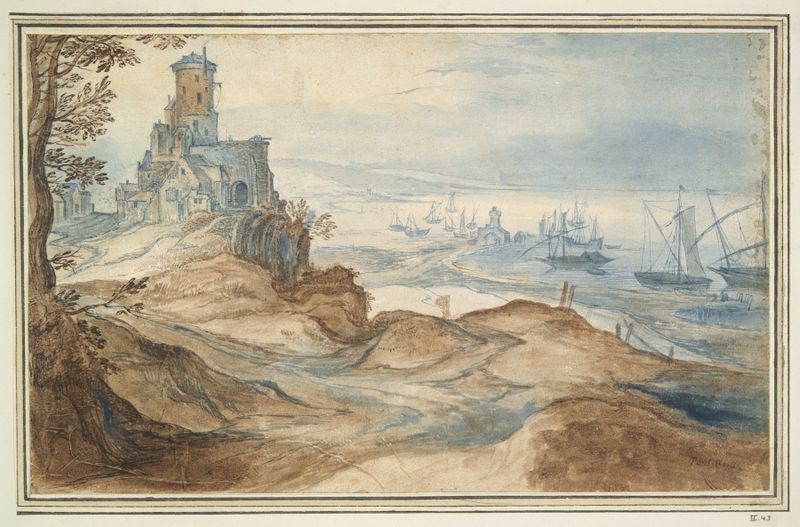
Castle on the Seashore
Follower of Jan Brueghel the Elder

Abbey of Groenedael near Brussels
Follower of Jan Brueghel the Elder

Mountainous Landscape with Village in Valley and Distant View
Follower of Jan Brueghel the Elder
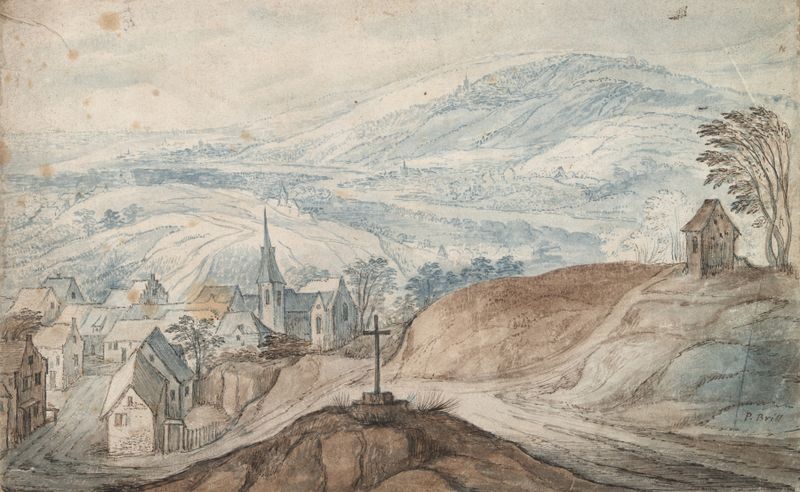
Landscape with Village near Crossroads and Distant View
Follower of Jan Brueghel the Elder
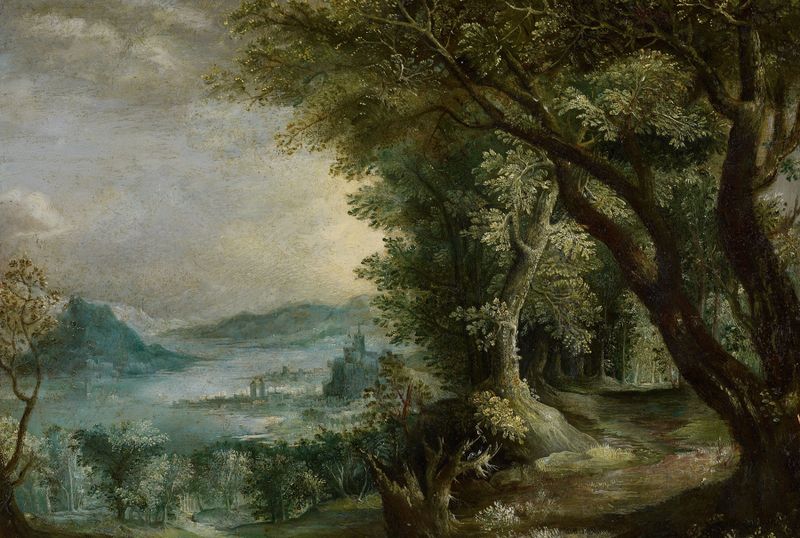
Imaginary Landscape
Follower of Jan Brueghel the Elder
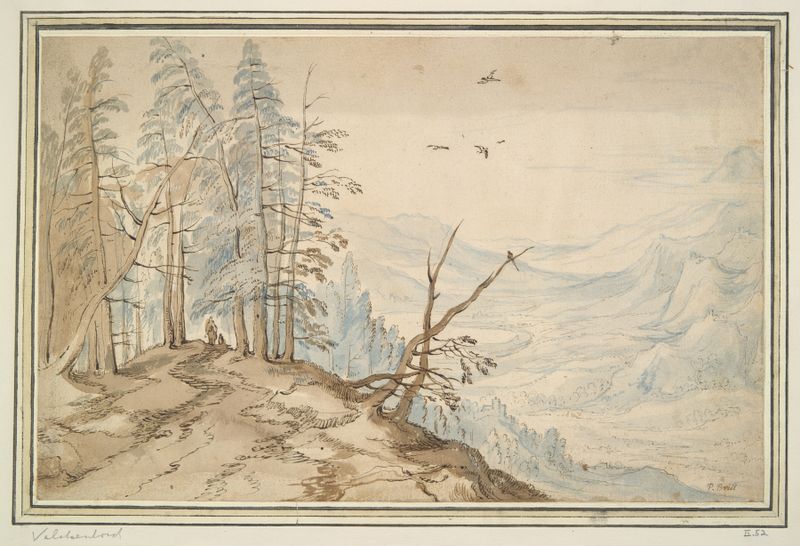
View in a Valley from the Edge of a Mountain Road
Follower of Jan Brueghel the Elder





