
Castle ruins by the water — History & Facts
When did color learn to lie? The delicate hues of decay whisper stories of lost glory, draping the crumbling architecture in a bittersweet embrace. Each stroke of paint seems to cloak the ruins in fragility, as if the very essence of time is fraying at the edges. Focus on the soft blues and greens that wash over the weathered stones, where the water's reflection blurs the line between reality and memory. Notice how the artist captures the interplay of light and shadow, inviting you to linger on the texture of the aged walls that tell tales of resilience and wear.
The composition draws your eye toward the distant horizon, where the castle's silhouette stands against an ever-changing sky, urging contemplation of what once was. Hidden within this serene scene lies a tension between beauty and abandonment. The tranquil water cradles the remnants of the past, evoking both nostalgia and melancholy as it reflects the ruins' graceful decline. The juxtaposition of the vibrant palette against the starkness of the structure speaks to the impermanence of human achievement, reminding us that even the most formidable creations are not immune to the passage of time. Johann Caspar Zehender created this artwork during a time characterized by romantic explorations of nature and the ruins of civilization.
While the exact date remains unknown, the artist’s work emerged in the late 18th to early 19th century, a period rife with a burgeoning interest in the sublime and the transitory beauty of landscapes. It was a moment when artists began to grapple with their place in a rapidly changing world, seeking solace in the echoes of history reflected in their art.
More Artworks by Johann Caspar Zehender
Browse all →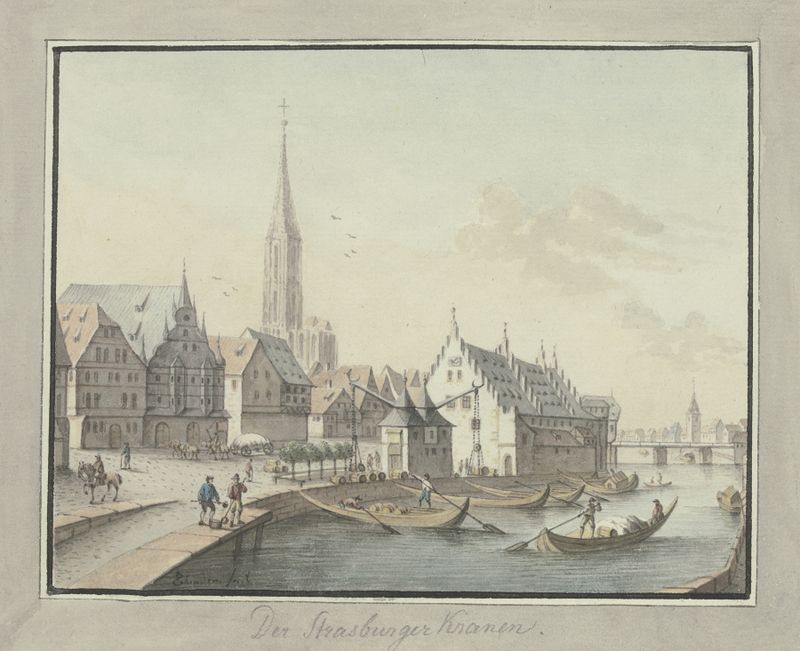
Der Straßburger Kranen
Johann Caspar Zehender
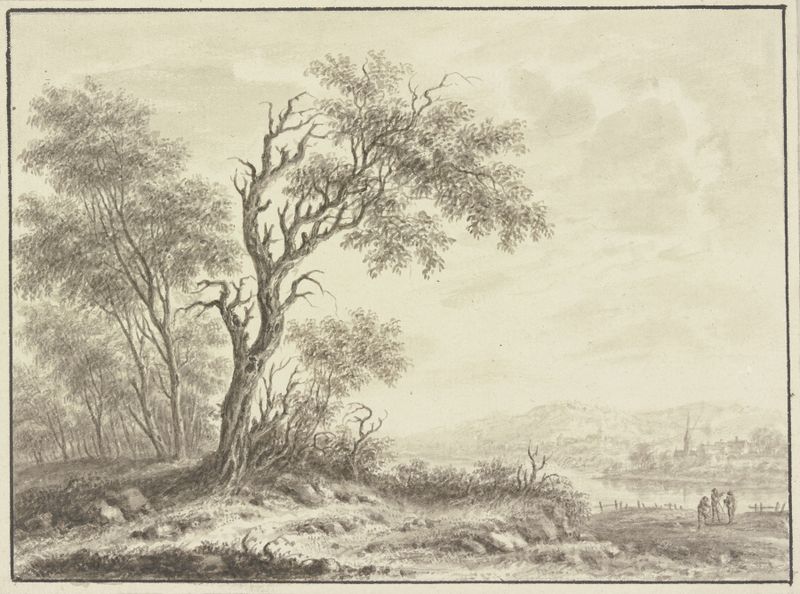
Baumgruppe an einem Flußufer, im Hintergrund ein Dorf
Johann Caspar Zehender
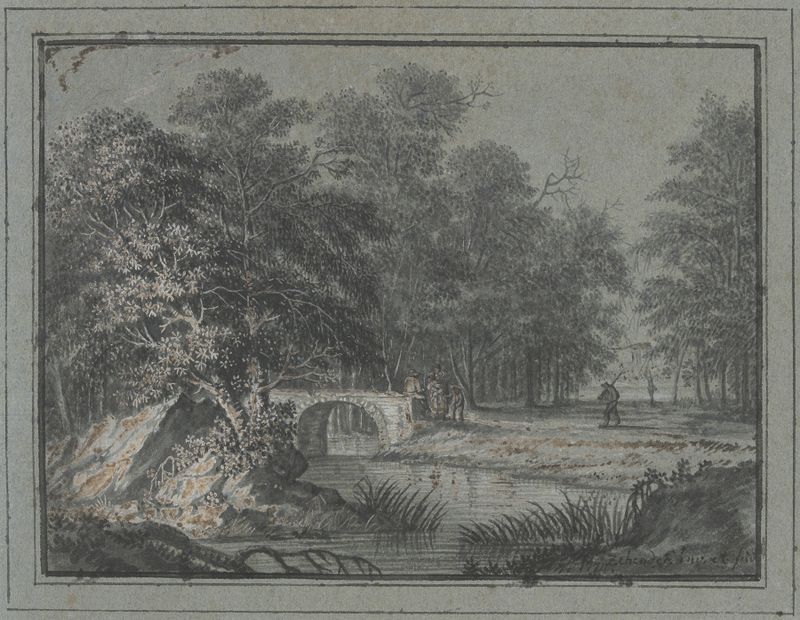
Wald mit Wasser und einer Brücke, dabei mehrere Figuren
Johann Caspar Zehender
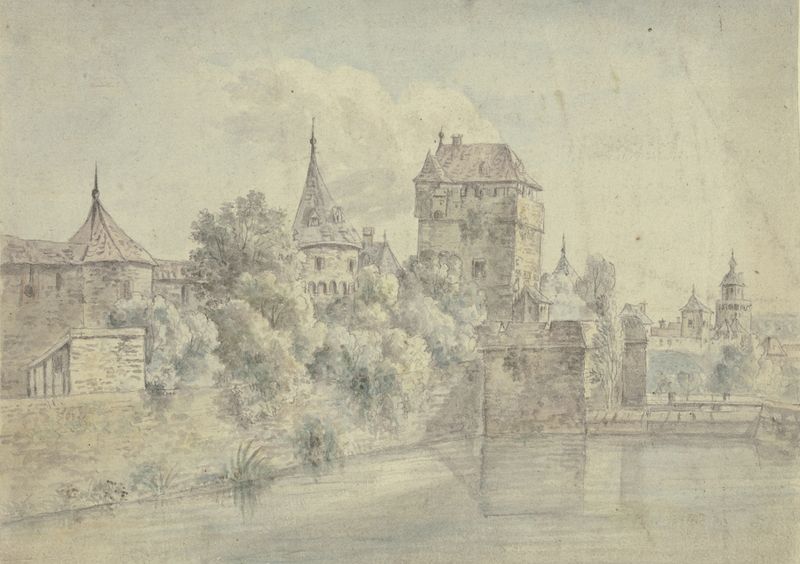
Partie am Schneidwall in Frankfurt am Main
Johann Caspar Zehender
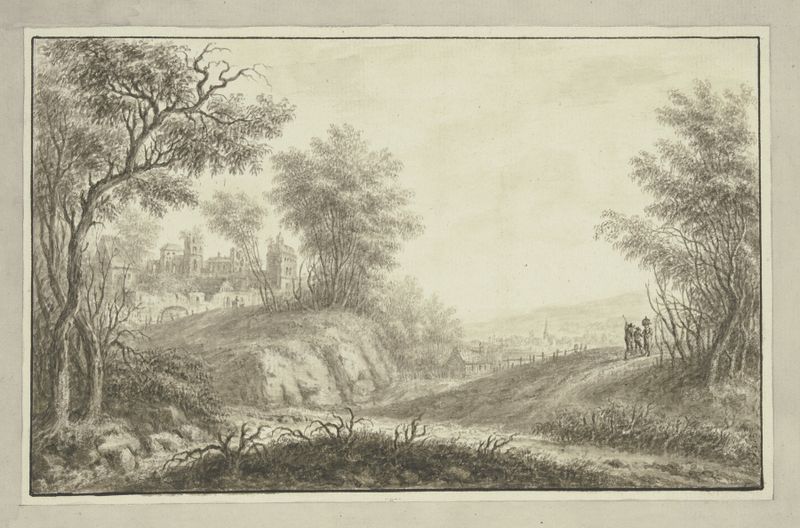
Waldweg, links Durchblick auf eine Schloßruine, rechts in der Ferne ein Städtchen
Johann Caspar Zehender

Church ruins by the water
Johann Caspar Zehender
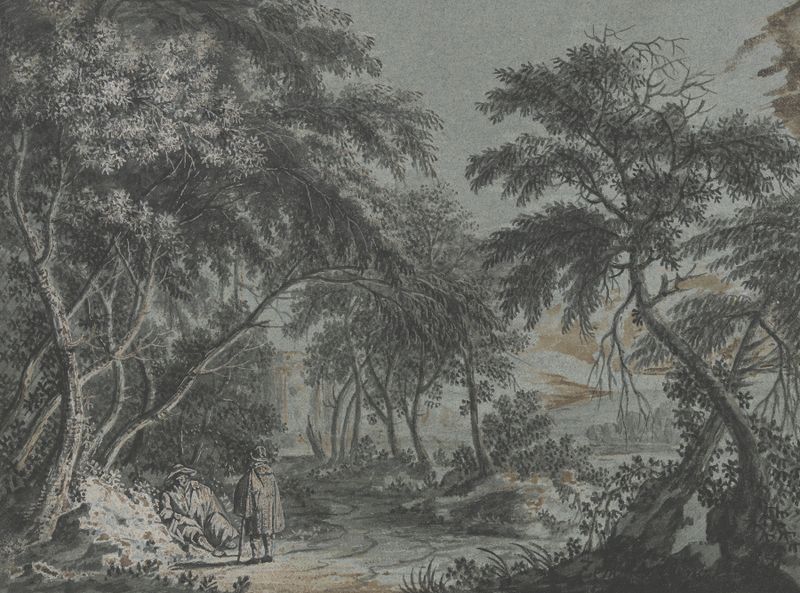
Ausgang aus dem Wald, links zwei rastende Wanderer in Mänteln
Johann Caspar Zehender
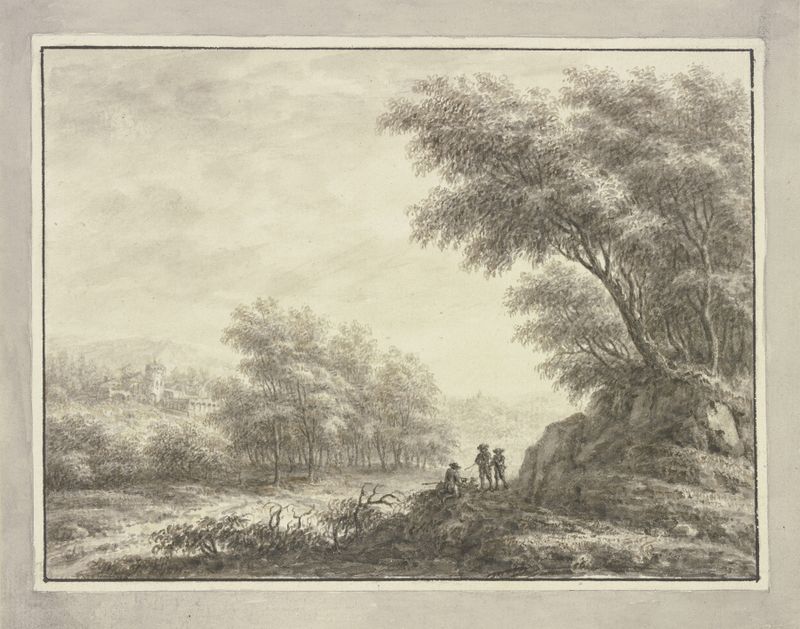
Waldweg mit drei Jägern, links Durchblick auf eine Schloßanlage
Johann Caspar Zehender
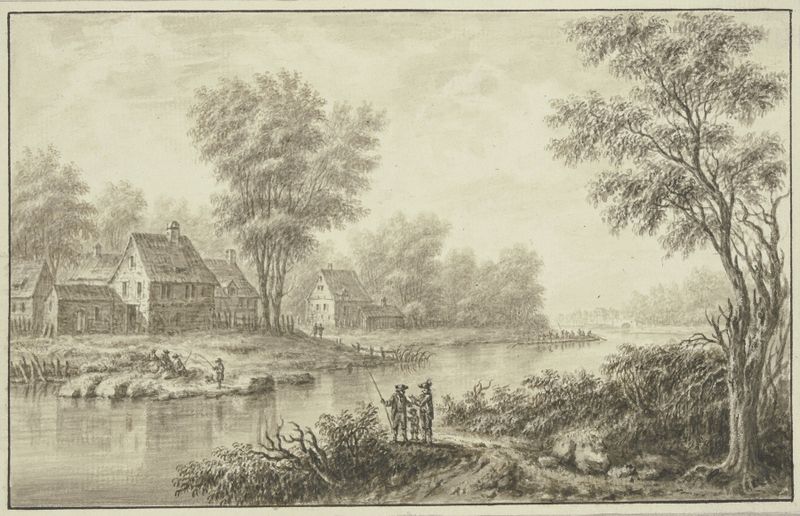
Blick auf einen Fluß, am linken Ufer eine Häusergruppe unter Bäumen, im Vordergrund eine Anglergruppe
Johann Caspar Zehender





