
Church ruins by the water — History & Facts
What secret hides in the quiet of the canvas? Here, amidst the tender interplay of light and shadow, a haunting void beckons for contemplation. Look to the left where the crumbling church stands, its weathered stones a testament to time’s relentless passage. The muted colors of gray and ochre evoke a sense of decay, while the soft, reflective surface of the water captures the fragile beauty of the scene. Notice how the delicate brushwork creates an ethereal atmosphere, almost as if the landscape is shrouded in a veil of reverie, inviting viewers to ponder the stories that linger in its silence. Delve deeper into the painting, and you'll discover an emotional tension between the solidity of the ruins and the ephemeral nature of the water.
The juxtaposition of the crumbling architecture and the flowing water suggests a dialogue between permanence and transience. Subtle details—a lone bird in flight, the gently disturbed surface of the water—whisper of life amidst decay, hinting at the resilience of nature against human constructs. In the quietude of this artwork, Johann Caspar Zehender captured a moment in time, likely during the early 19th century, when he painted this piece. Working in Germany, he was influenced by the Romantic movement, which emphasized the beauty of nature and the sublime in human experience.
This painting reflects a period when artists began to explore the emotional resonance of landscapes, merging their personal reflections with broader themes of existence.
More Artworks by Johann Caspar Zehender
Browse all →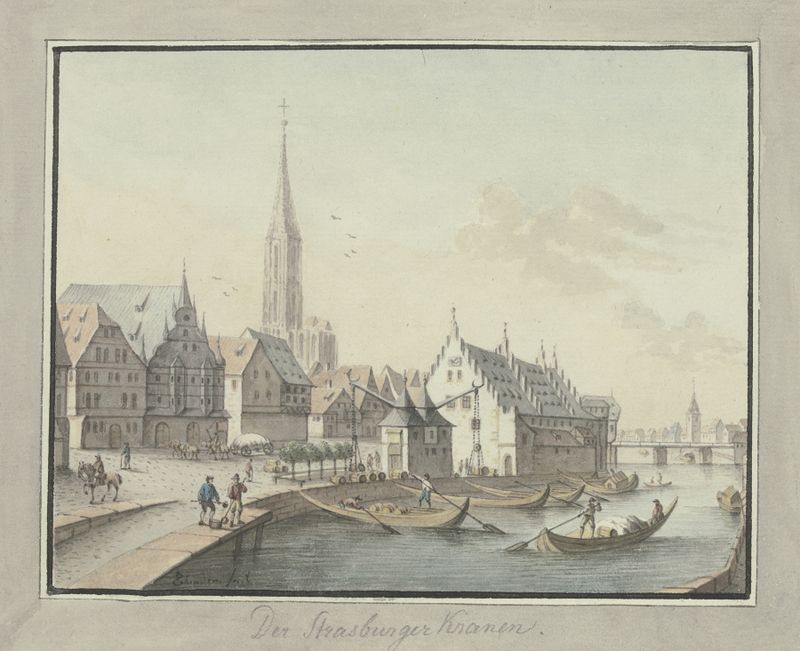
Der Straßburger Kranen
Johann Caspar Zehender
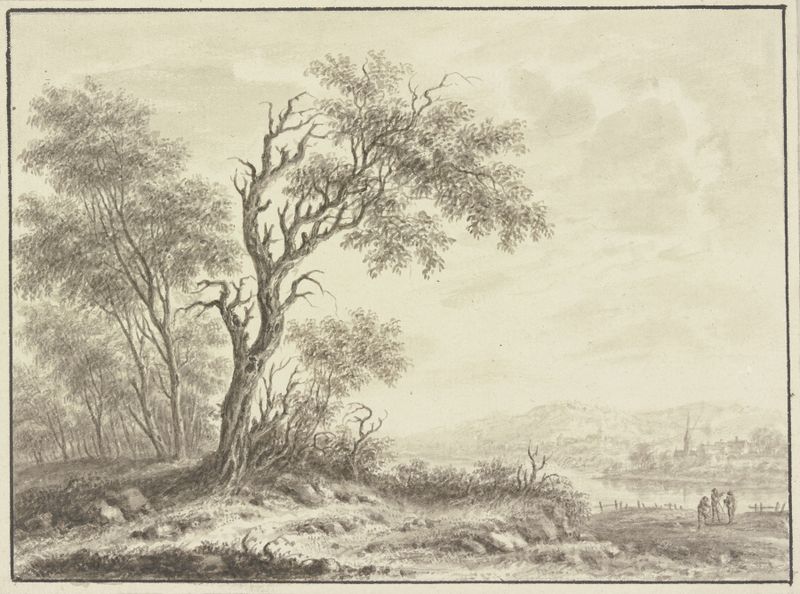
Baumgruppe an einem Flußufer, im Hintergrund ein Dorf
Johann Caspar Zehender
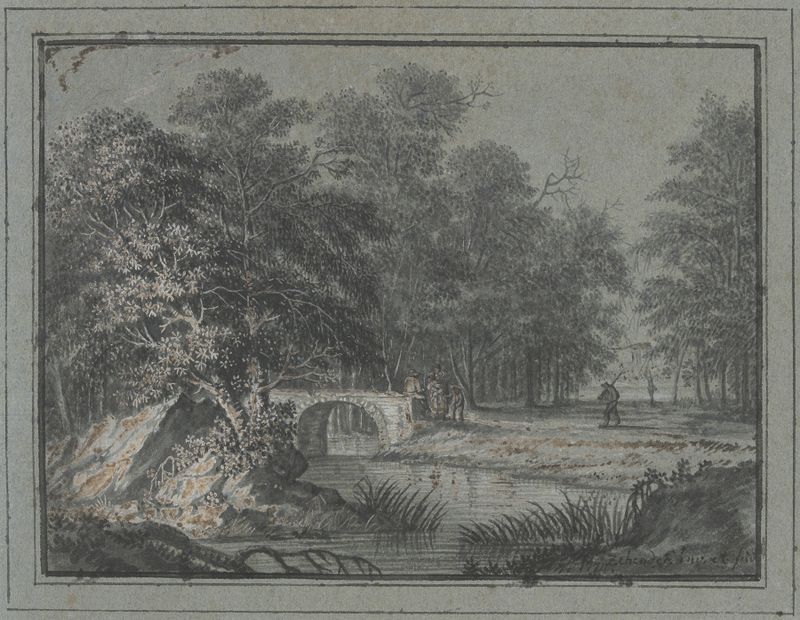
Wald mit Wasser und einer Brücke, dabei mehrere Figuren
Johann Caspar Zehender
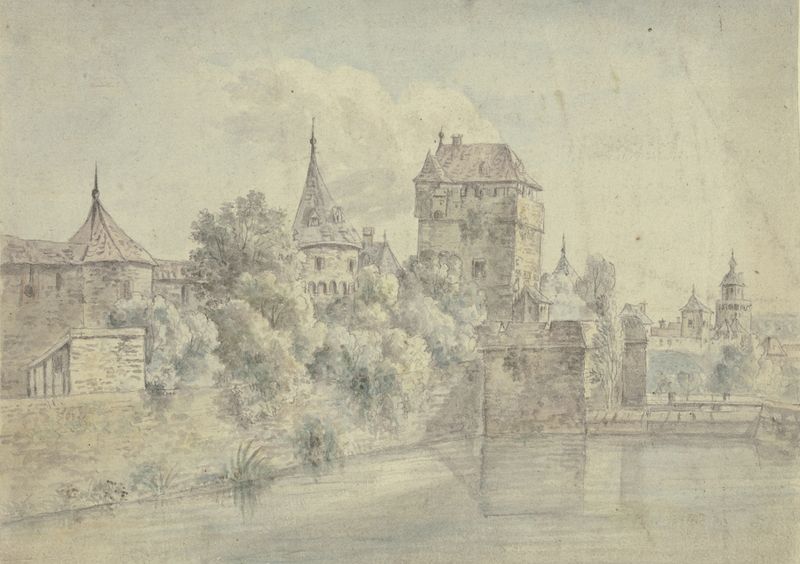
Partie am Schneidwall in Frankfurt am Main
Johann Caspar Zehender
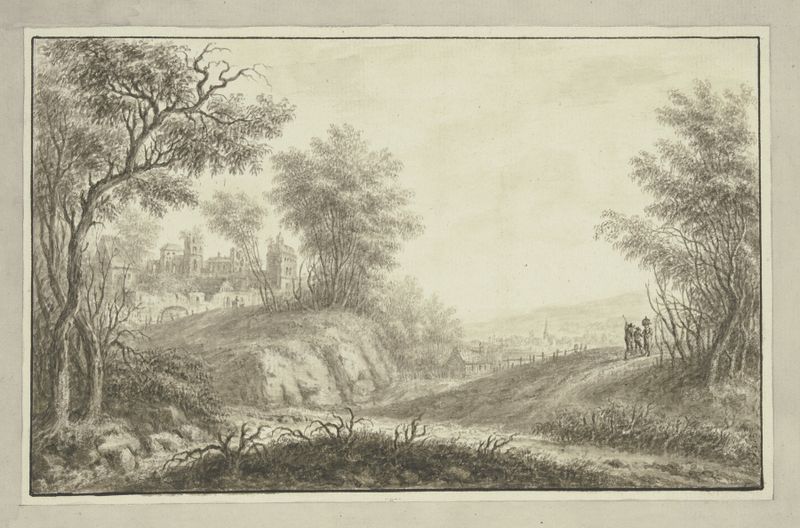
Waldweg, links Durchblick auf eine Schloßruine, rechts in der Ferne ein Städtchen
Johann Caspar Zehender
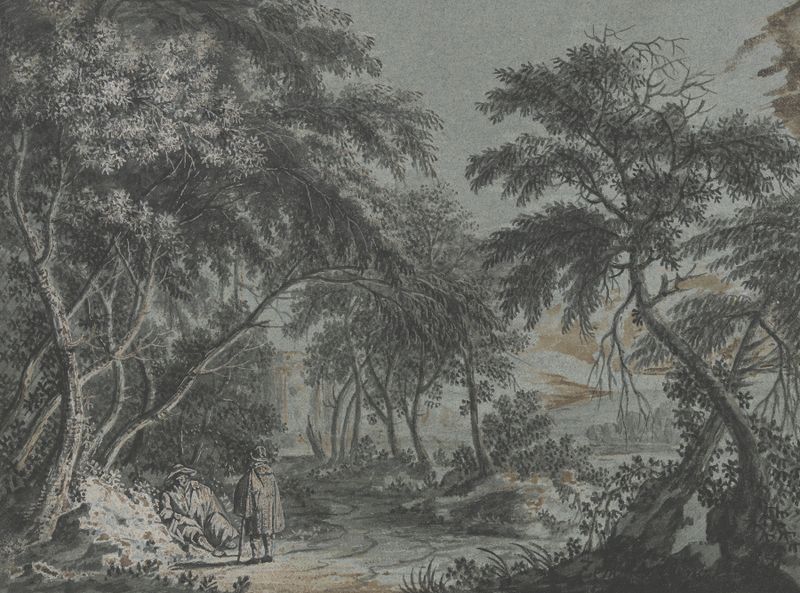
Ausgang aus dem Wald, links zwei rastende Wanderer in Mänteln
Johann Caspar Zehender
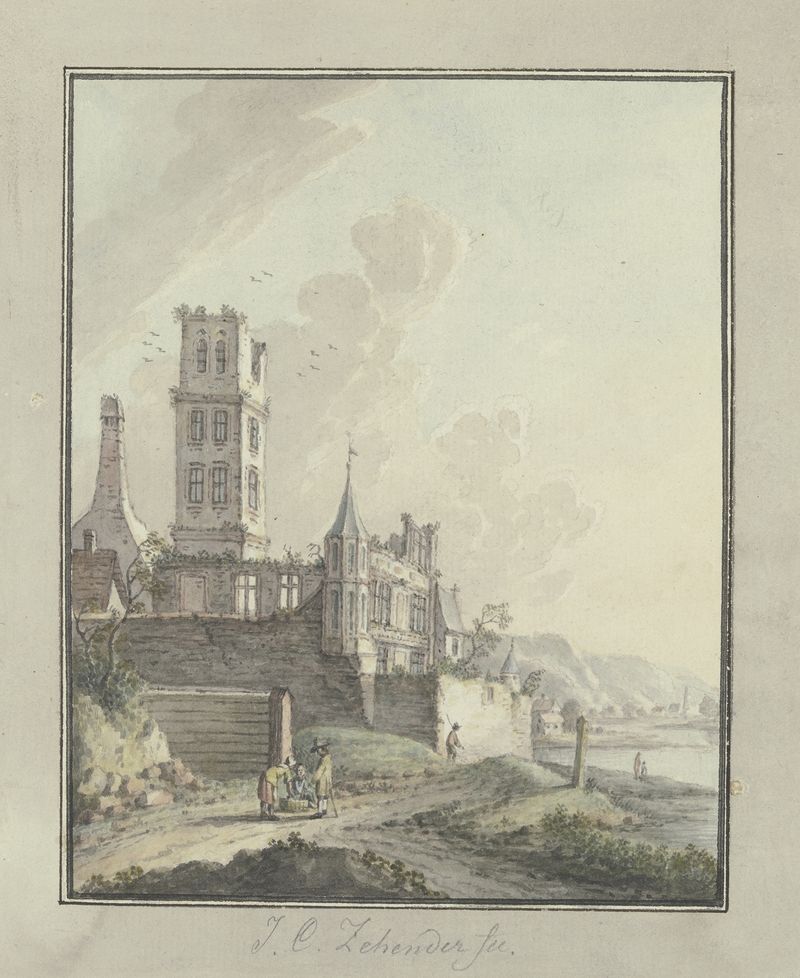
Castle ruins by the water
Johann Caspar Zehender
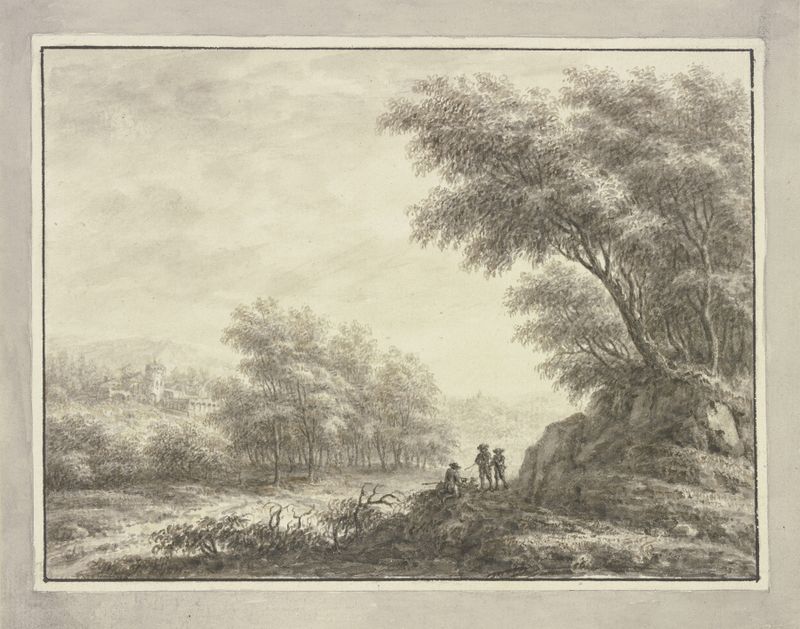
Waldweg mit drei Jägern, links Durchblick auf eine Schloßanlage
Johann Caspar Zehender
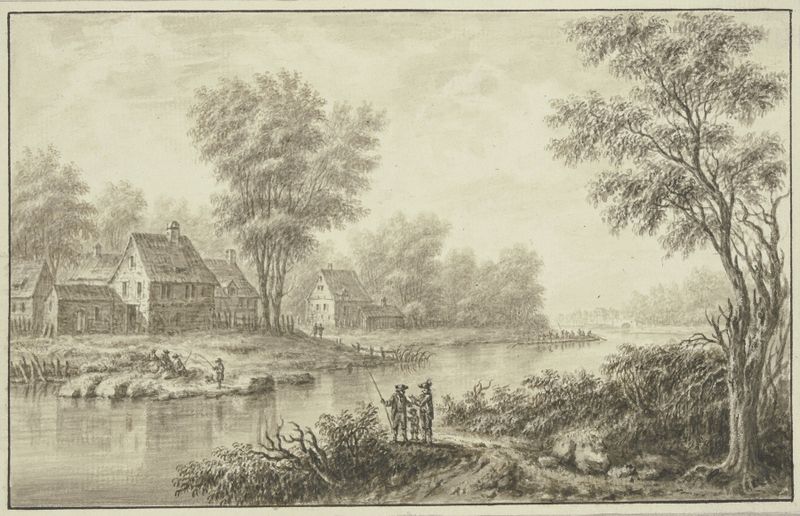
Blick auf einen Fluß, am linken Ufer eine Häusergruppe unter Bäumen, im Vordergrund eine Anglergruppe
Johann Caspar Zehender





