
Catskill Clove in Palingsville — History & Facts
Could beauty survive in a century of chaos? In Catskill Clove in Palingsville, nature reveals its timeless serenity amid the tumult of the 19th century, inviting us to ponder the resilience of the world around us. Look to the left at the cascading hills, their lush greens painted with a masterful gradient, leading your eye toward the tranquil river that snakes through the landscape. The soft blues and whites of the sky create a harmonious backdrop, enhancing the vivid colors of the foliage. Notice how the gentle play of light brings the scene to life, illuminating the textured brushstrokes that evoke both depth and warmth in this idyllic setting. Amidst the exquisite beauty lies a subtle tension; the serene landscape hints at the fragility of nature, with looming shadows suggesting the unpredictability of human influence.
The quiet, untouched glade embodies the rare moments of peace that contrast sharply against the backdrop of industrial progress. Each brushstroke not only captures the allure of the Catskill region but also serves as a reminder of the preciousness of untouched beauty. In 1856, when this piece was created, William Rickarby Miller was deeply influenced by the Romantic movement, which celebrated the sublime aspects of nature. Living and working in the United States, he embraced the picturesque landscapes that were both familiar and awe-inspiring.
This period marked a growing appreciation for American scenery, even as the country faced political strife and societal change, reflecting the artist's desire to preserve and elevate the beauty of the natural world amidst a time of turbulence.
More Artworks by William Rickarby Miller
Browse all →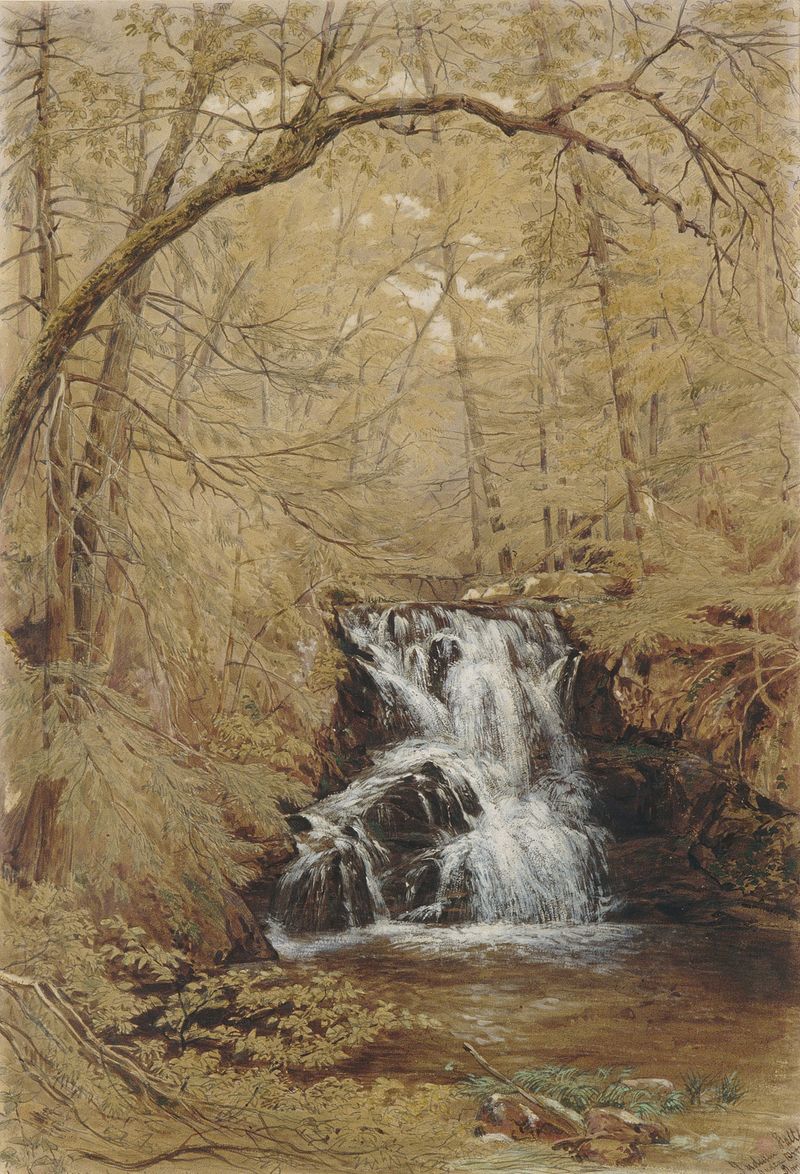
Indian Falls, Indian Brook, Cold Springs, New York
William Rickarby Miller
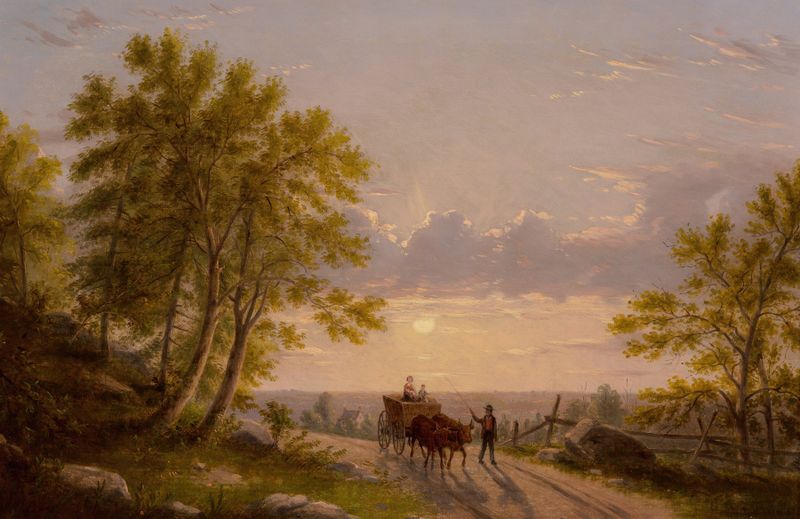
Homeward Bound
William Rickarby Miller
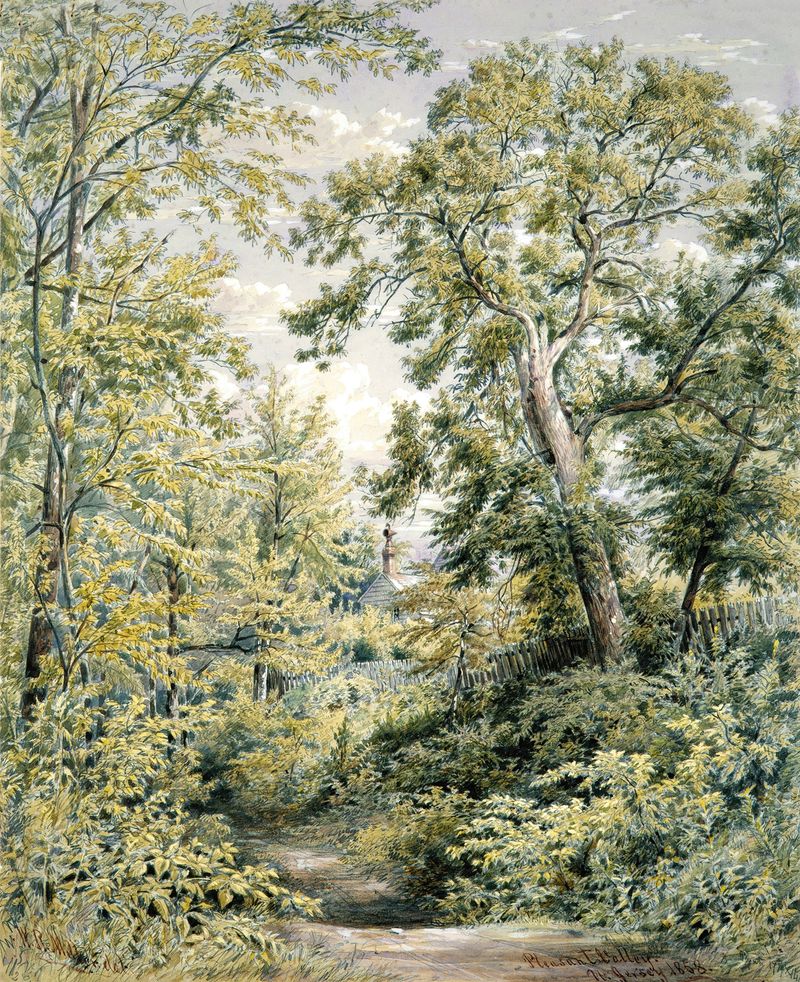
Pleasant Valley, New Jersey
William Rickarby Miller
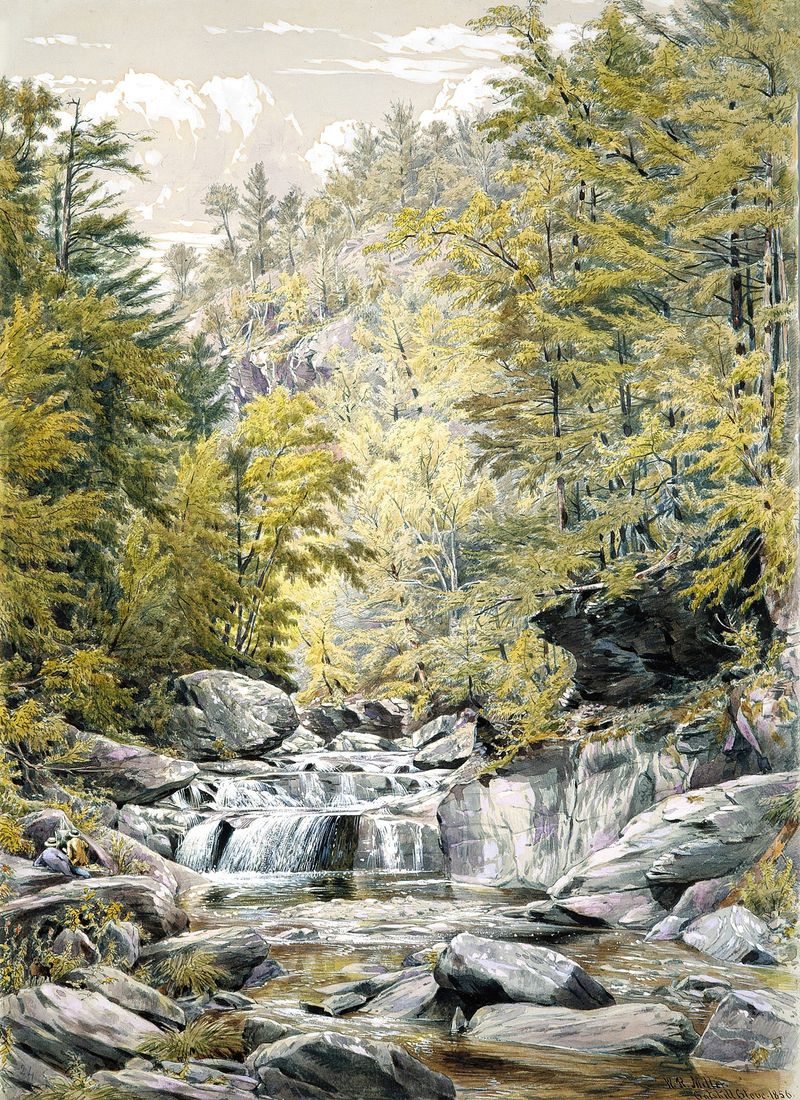
Catskill Clove
William Rickarby Miller
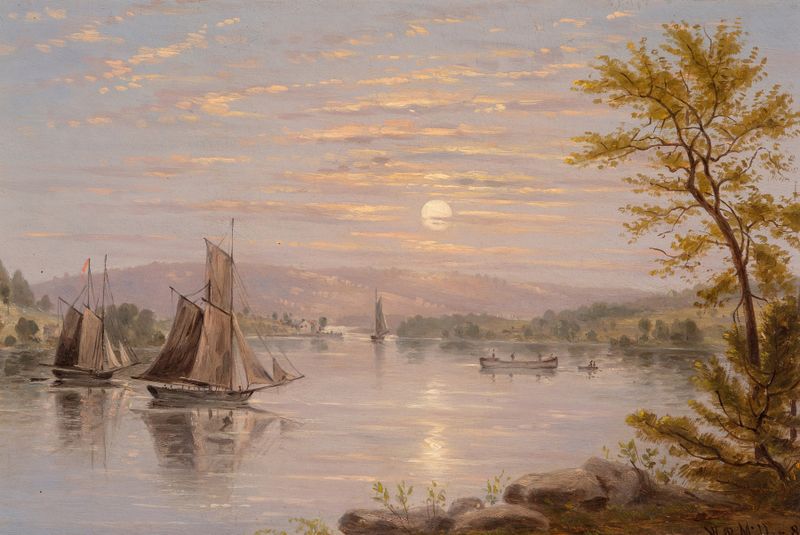
Sunrise on Lake Champlain
William Rickarby Miller
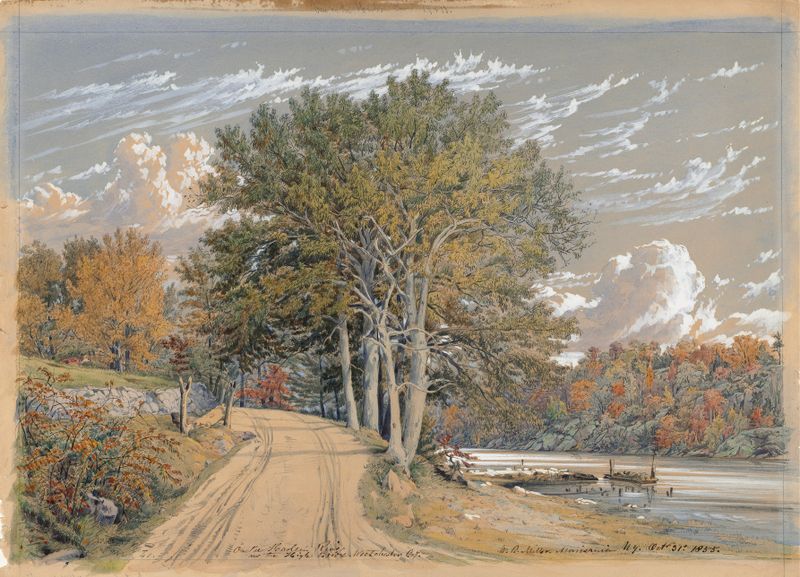
On the Harlem River
William Rickarby Miller
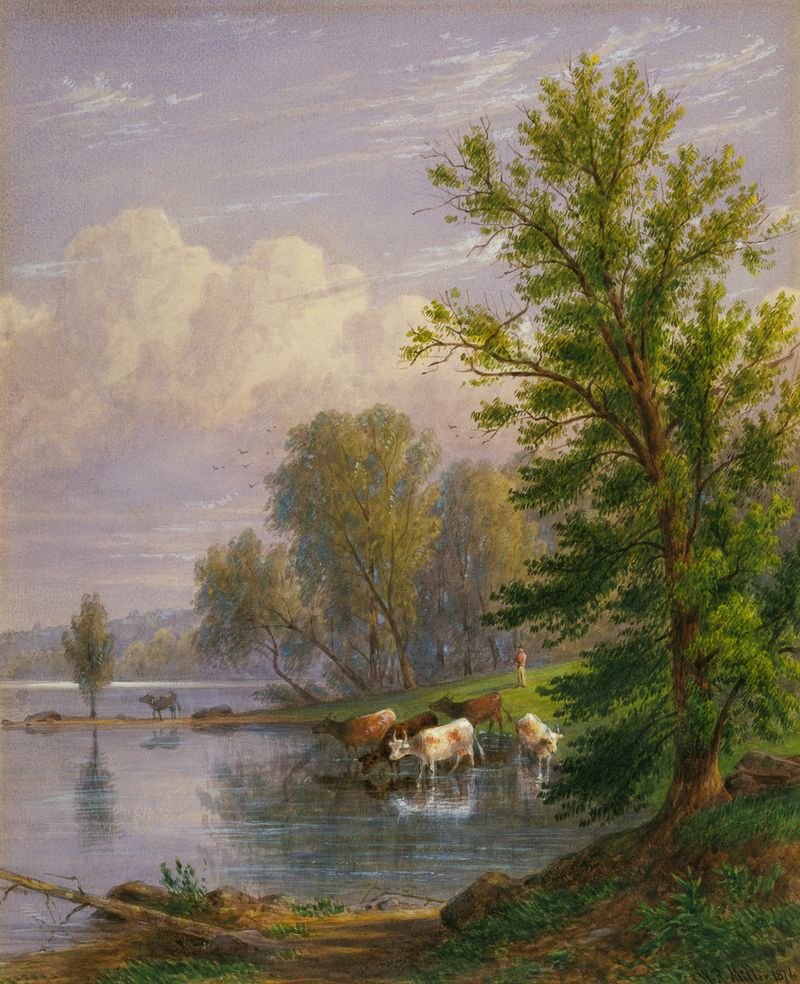
Untitled
William Rickarby Miller





