
Homeward Bound — History & Facts
In the quietude of the twilight, a journey unfolds, one that transcends the physical realm and ventures into the depths of the human spirit. Look to the foreground, where a solitary figure walks along a winding path, framed by the soft embrace of fading light. The gentle hues of twilight—a blend of oranges and purples—illuminate the figure's silhouette, evoking a sense of contemplation and solitude. Notice the textures in the sky, where the brushstrokes dance with an ethereal quality, giving the scene an almost otherworldly presence.
The composition, with its delicate interplay of light and shadow, draws the eye into the horizon, inviting viewers to ponder what lies beyond the reach of sight. Deeper meanings unfurl like petals in this serene moment. The path represents the journey of life, while the fading light symbolizes the transient nature of existence. The figure, both alone and at peace, invites reflection on the paradox of solitude—a feeling of connectedness to something greater despite physical separation.
The painting captures not just a return home, but a spiritual awakening that resonates with anyone who has ever sought solace in their own thoughts. In 1890, William Rickarby Miller painted this piece during a period of introspection and transformation in the art world, as artists were beginning to explore themes of individual experience and emotional depth. While he was rooted in traditional techniques, Miller’s work reflected an emerging desire to convey the transcendence of the human experience, mirroring the sentiments of a society grappling with change and the quest for meaning.
More Artworks by William Rickarby Miller
Browse all →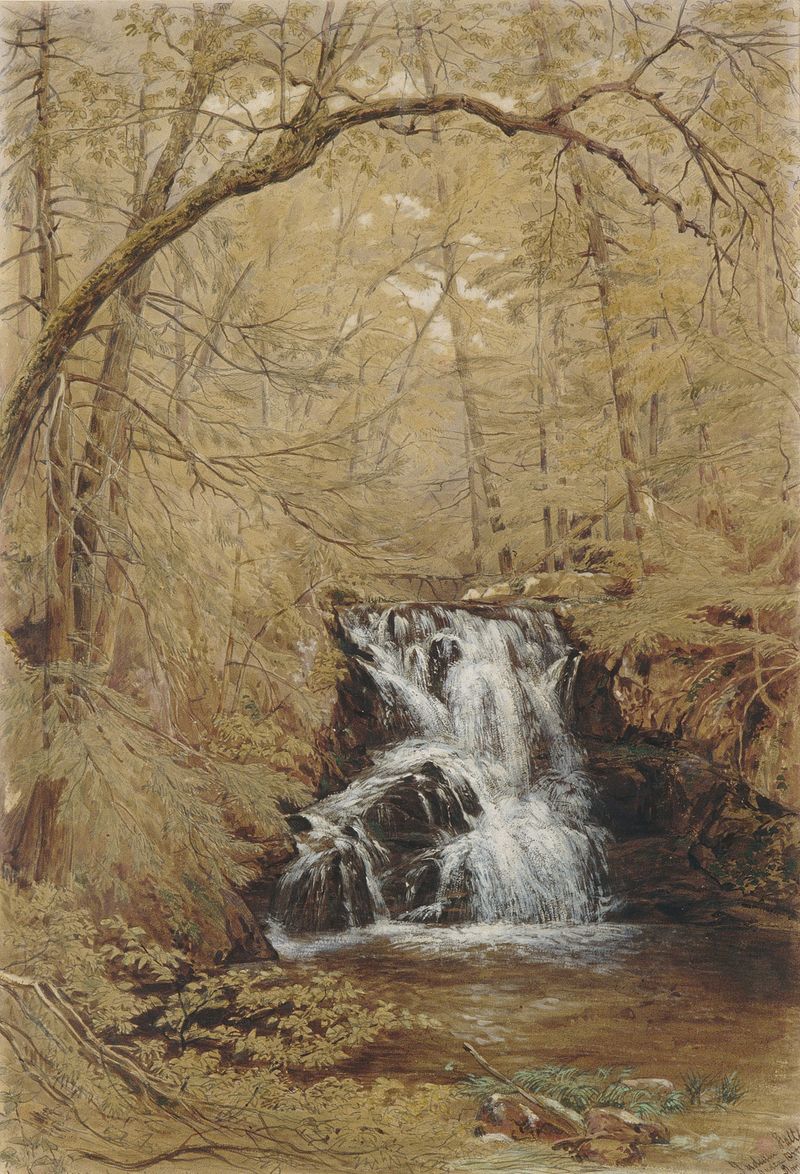
Indian Falls, Indian Brook, Cold Springs, New York
William Rickarby Miller
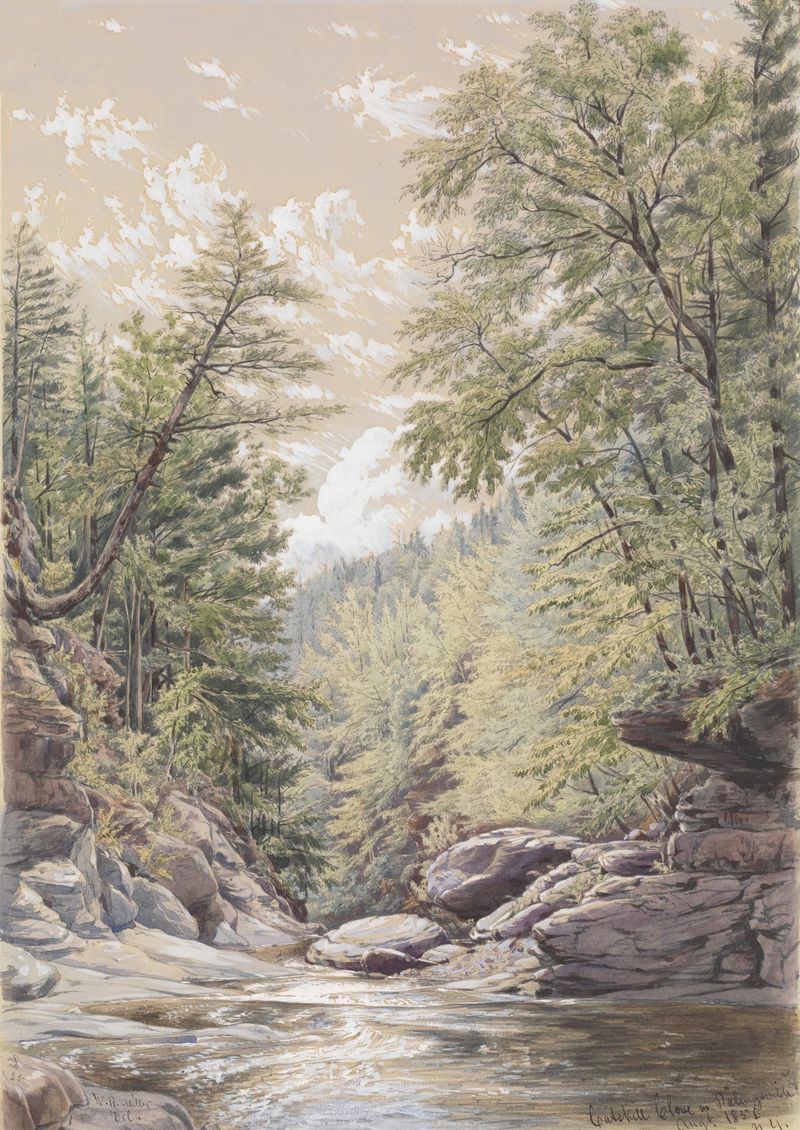
Catskill Clove in Palingsville
William Rickarby Miller
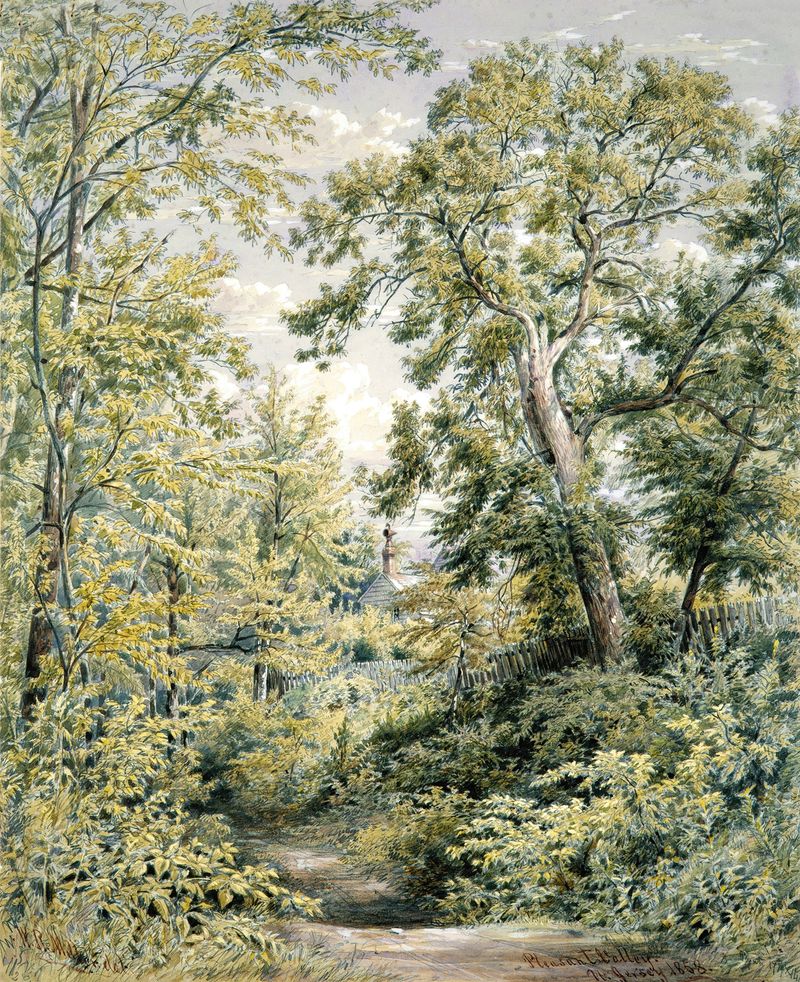
Pleasant Valley, New Jersey
William Rickarby Miller
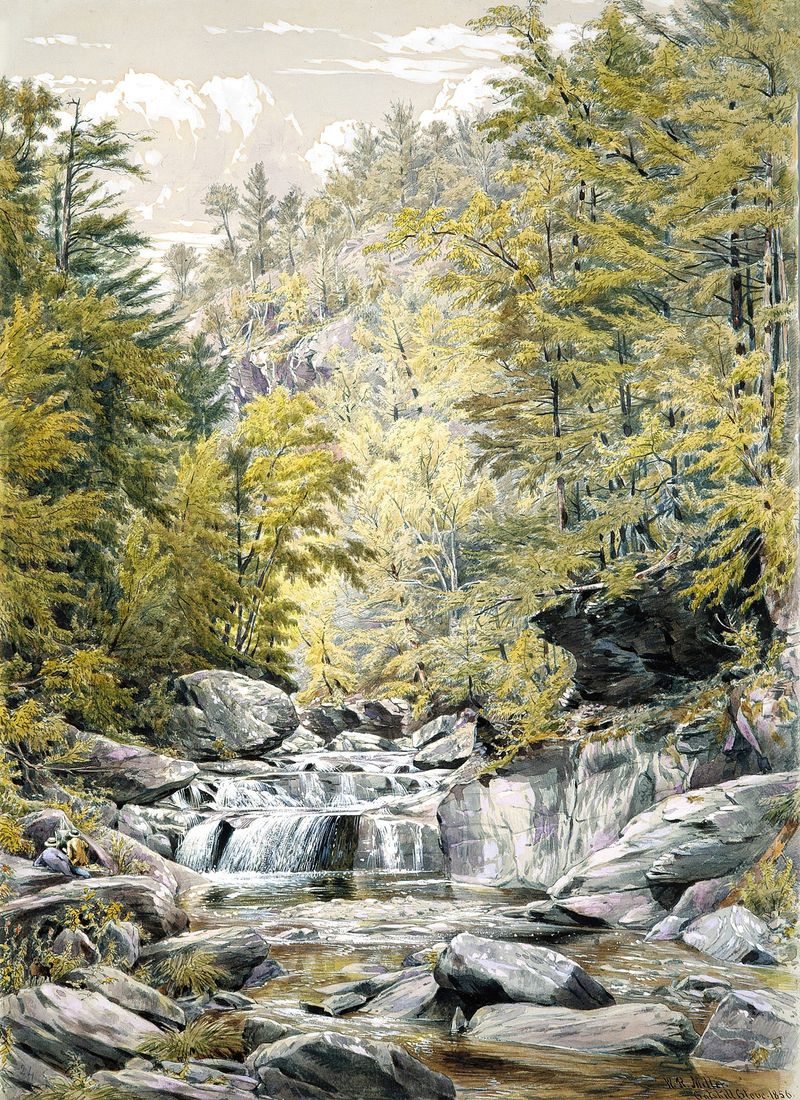
Catskill Clove
William Rickarby Miller
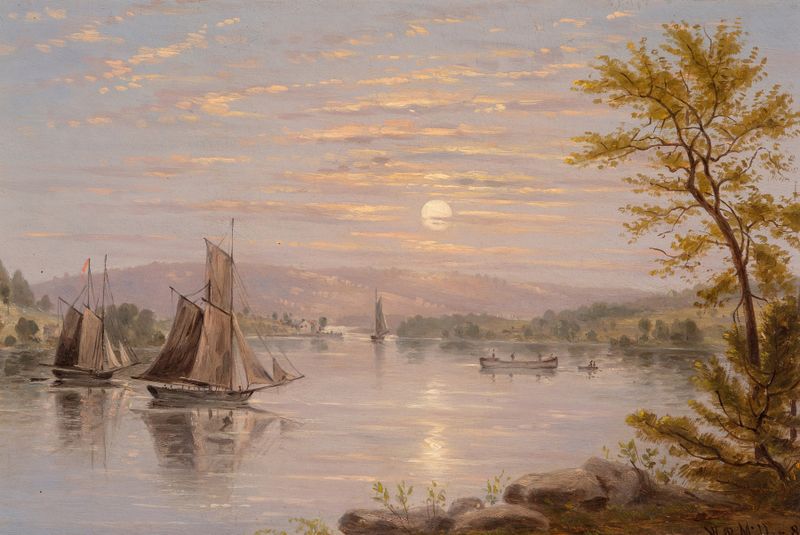
Sunrise on Lake Champlain
William Rickarby Miller
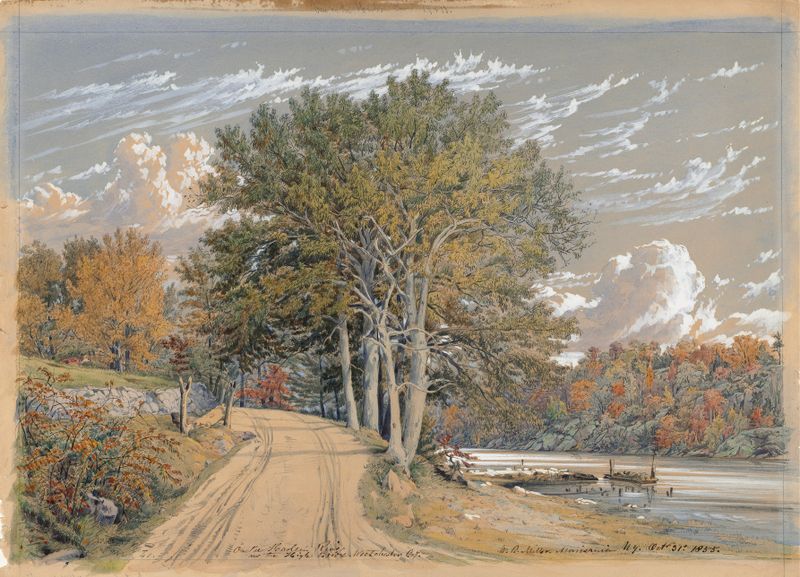
On the Harlem River
William Rickarby Miller
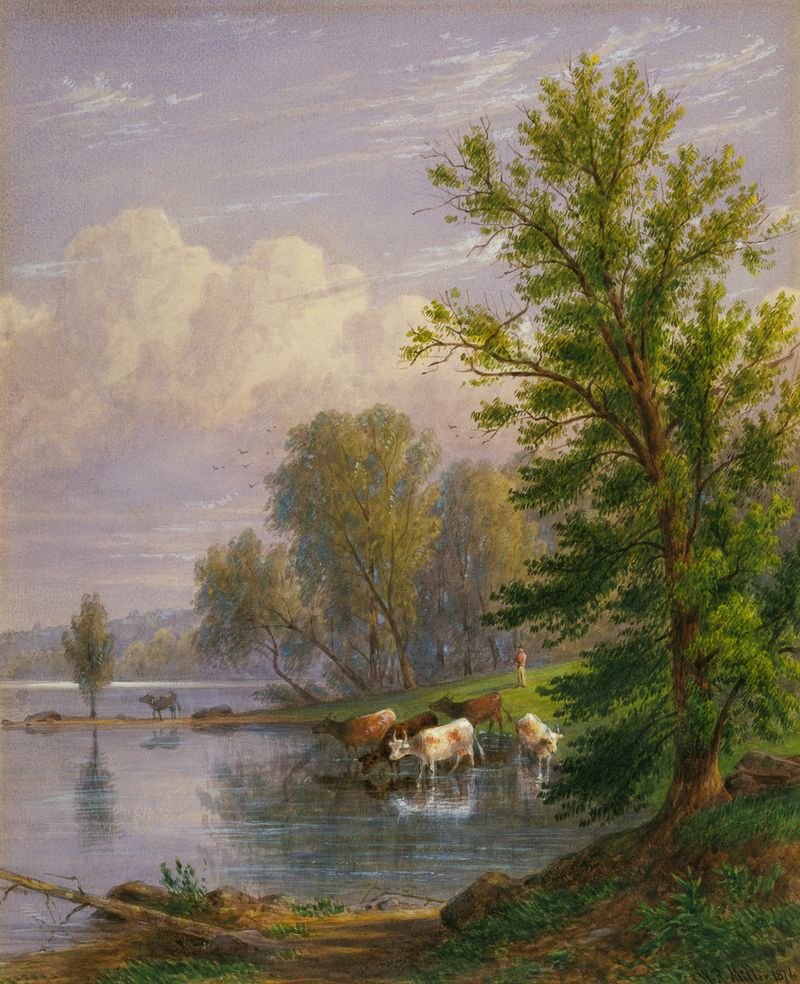
Untitled
William Rickarby Miller





