
Champ De Coqueliquots — History & Facts
Could a single brushstroke hold eternity? In the delicate strokes of a field painted at dusk, the essence of hope blooms and whispers from the canvas. Look to the foreground where the vibrant red poppies unfurl against a backdrop of soft greens and fading golds. The painter’s attention to light breathes life into each flower, casting gentle shadows that dance with the breeze. The composition draws your eye toward the horizon, where the last rays of sunlight merge seamlessly with the rolling hills, creating a serene yet dynamic balance.
The brushwork, both deliberate and fluid, invites you to linger on the texture of petals and the intricate interplay of color. Within this landscape, contrasting emotions emerge—a tranquility that masks an undercurrent of longing. The vibrant poppies, symbols of remembrance and resilience, suggest a fleeting beauty that speaks to the transience of life. In this field, there’s a sense of yearning for the past mingling with the promise of new beginnings, as nature’s cycles echo the struggles and triumphs of human existence.
The light itself serves as a bridge between these themes, illuminating hope amidst the shadows. In 1884, Champ De Coqueliquots was created in the midst of Le Sidaner’s exploration of color and atmospheric effects, as he sought to capture the essence of everyday life in rural France. During this period, post-Impressionism was gaining momentum, with artists like him breaking away from traditional forms and embracing a more emotive depiction of nature. His work reflects a personal journey toward understanding the relationship between man and the natural world, encapsulating both beauty and introspection within a single frame.
More Artworks by Henri Le Sidaner
Browse all →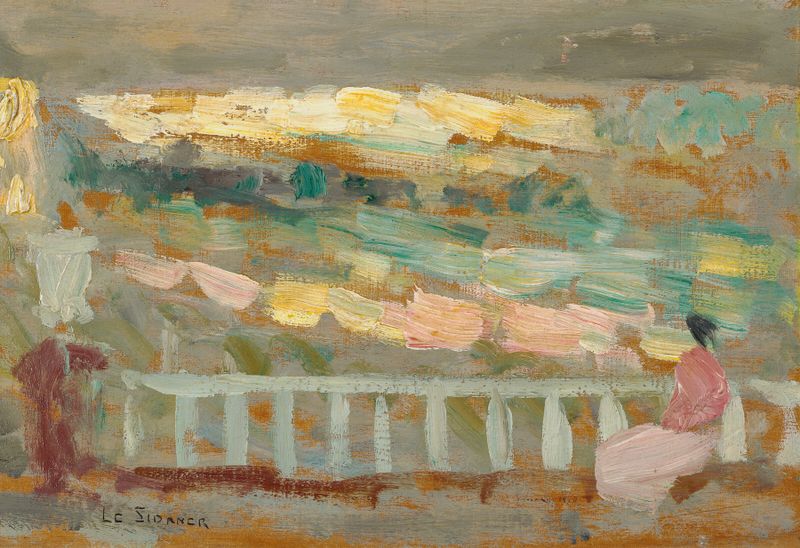
Terrasse à Gerberoy
Henri Le Sidaner
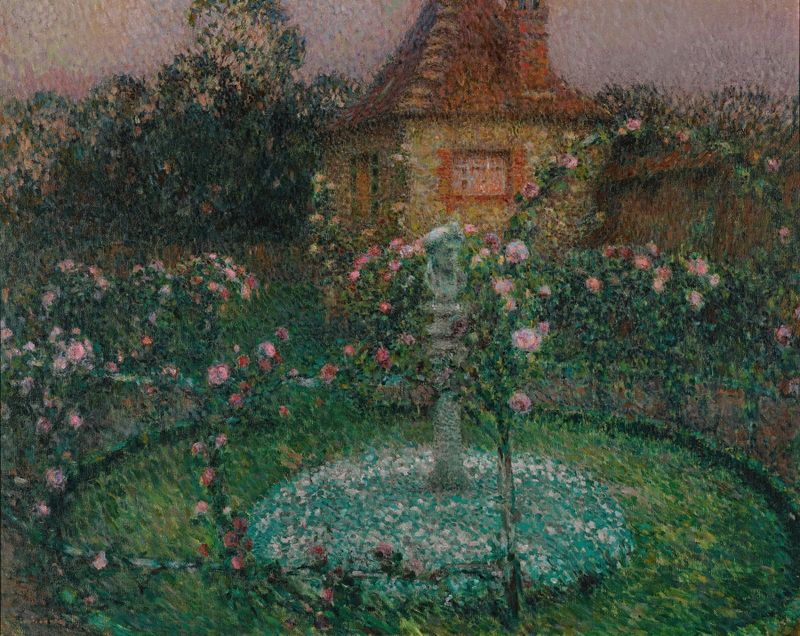
Le Pavillon, Gerberoy
Henri Le Sidaner
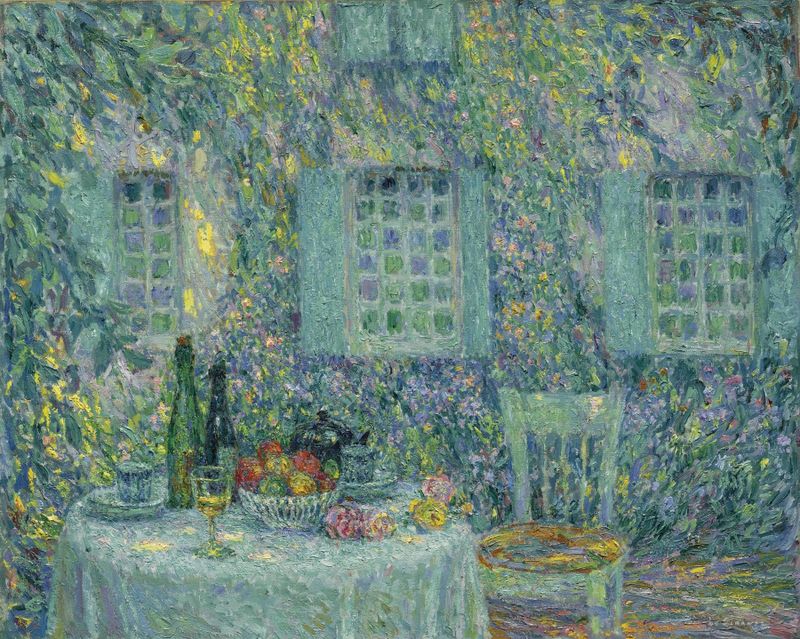
La Table, soleil dans les feuilles, Gerberoy
Henri Le Sidaner
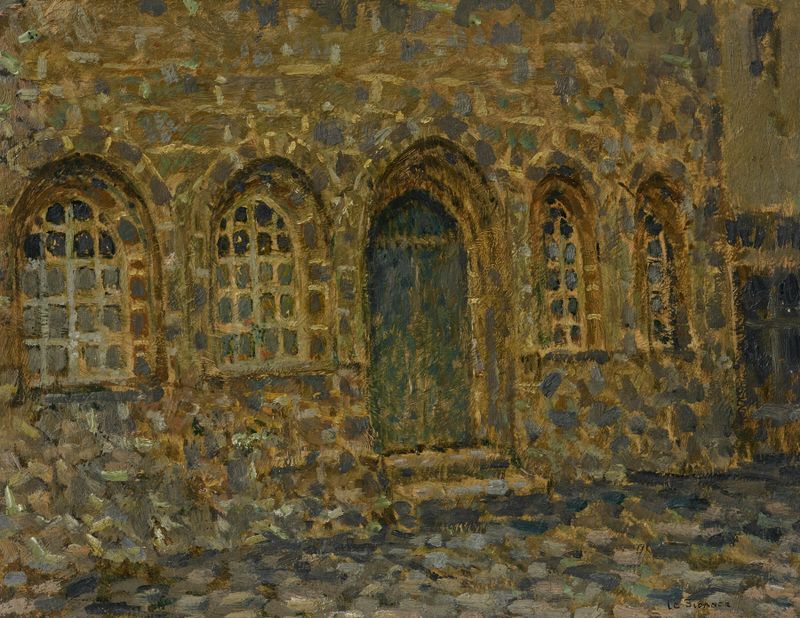
Maison ancienne, Tréguier
Henri Le Sidaner
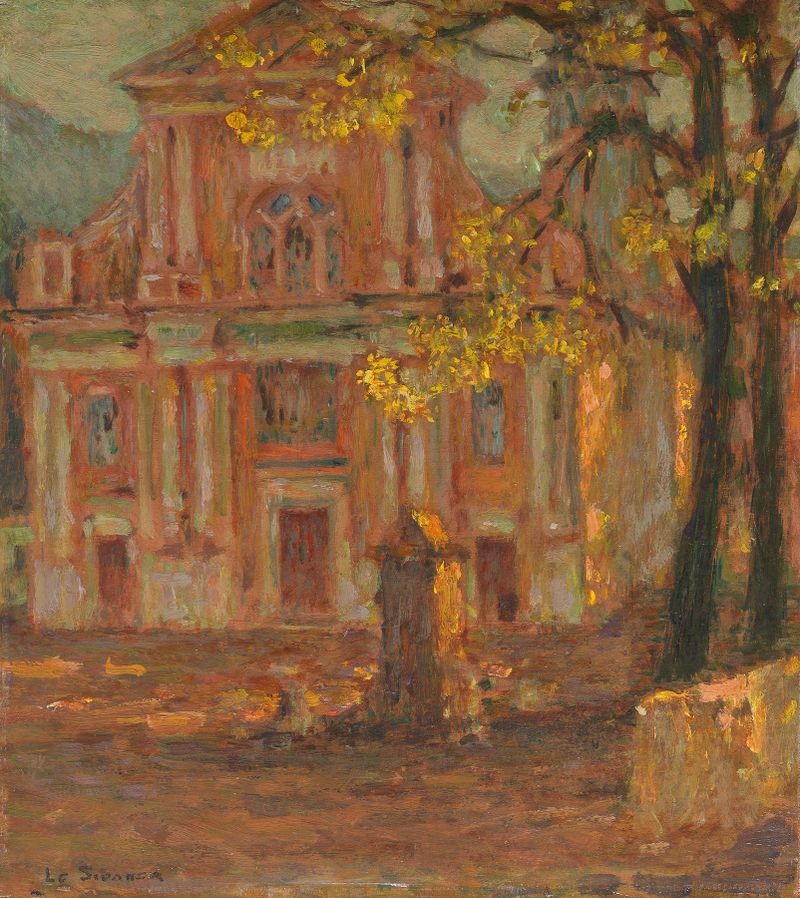
L’église, Dolceacqua
Henri Le Sidaner
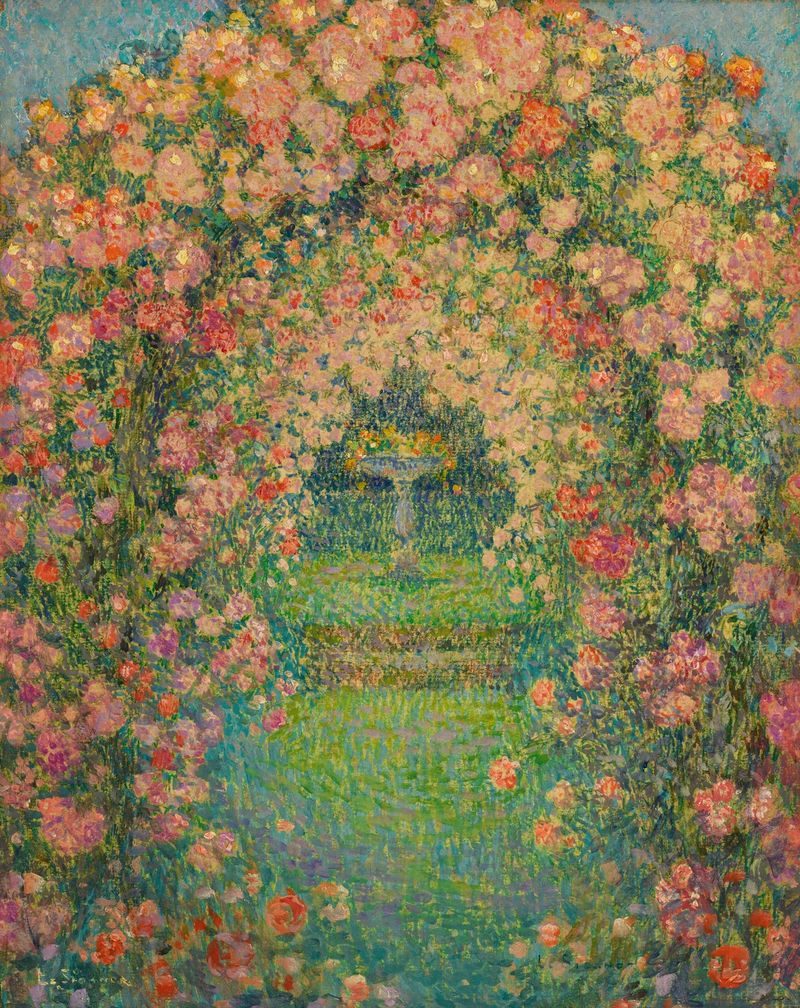
La Roseraie, Gerberoy
Henri Le Sidaner
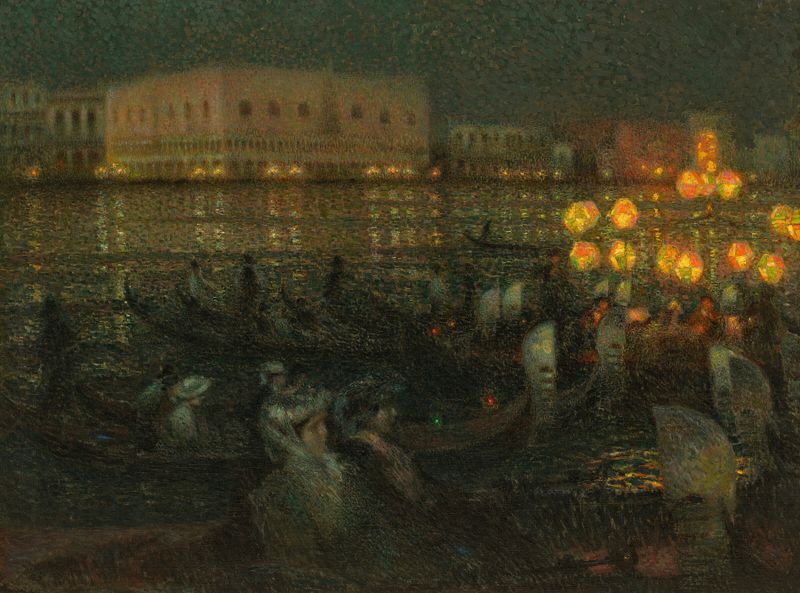
La Sérénade, Venise
Henri Le Sidaner
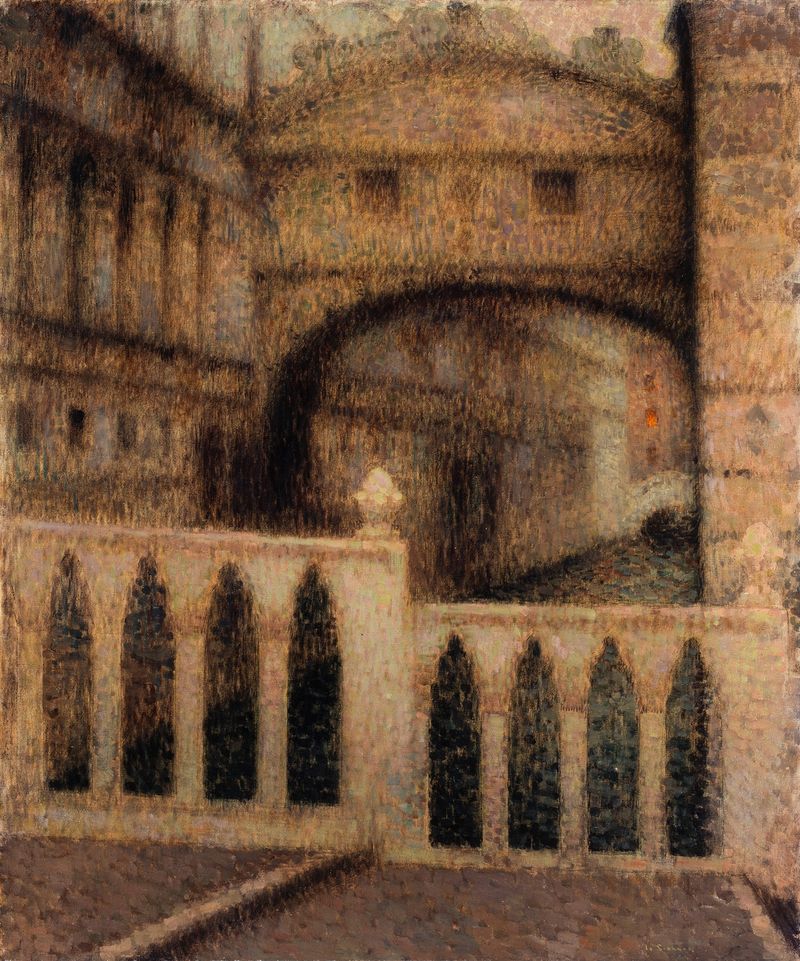
Le pont des Soupirs
Henri Le Sidaner
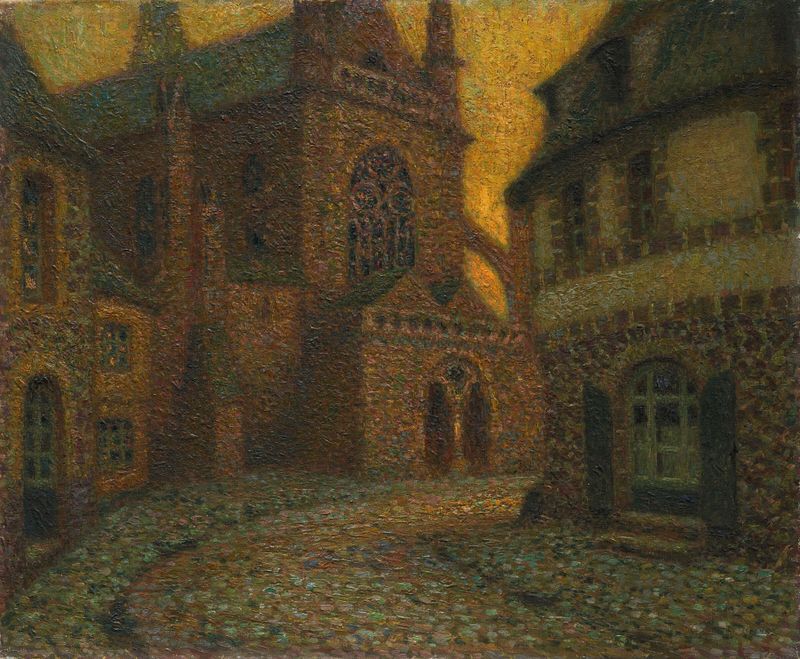
L’Église, Tréguier
Henri Le Sidaner
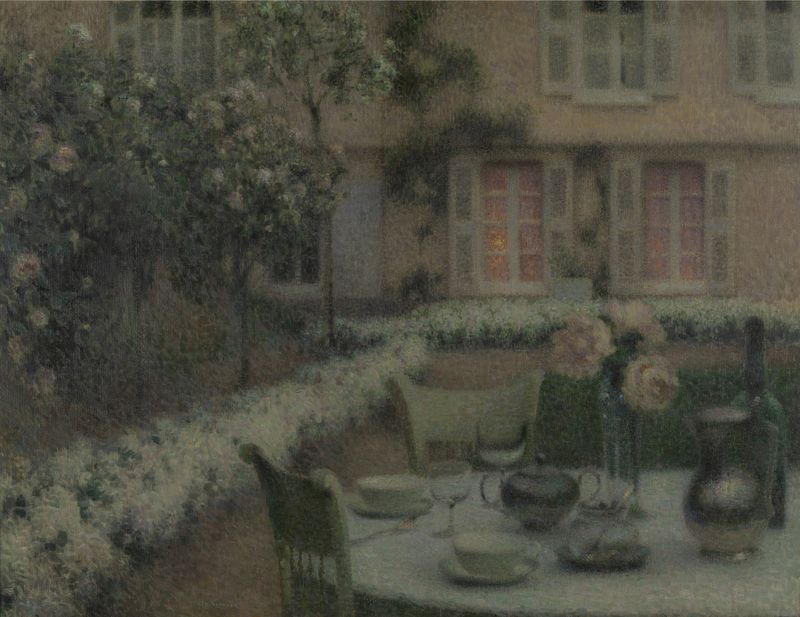
The Table in the White Garden at Gerberoy
Henri Le Sidaner





