
Chapelle de Guillaume Tell. près Küssnacht — History & Facts
This thought echoes throughout the canvas, where the movement of nature entwines with the stillness of architecture, creating a dialogue between the observed and the imagined. Focus on the foreground, where the gentle curves of lush hills cradle the chapel, seamlessly merging the man-made with the wild. The artist employs a rich palette of greens and golds, allowing light to dance across the surfaces, illuminating the chapel’s façade while casting deep shadows that suggest both reverence and decay. The swirling clouds above seem to mimic the chapel’s form, drawing your eye upwards, while the winding path invites you to wander deeper into the scene, creating a sense of motion even in stillness. Yet, amid this idyllic portrayal, there's an underlying tension.
The chapel stands as a solitary figure, a monument to faith amidst the vast, unyielding landscape that hints at nature’s indifference. The golden light offers a warm embrace, yet it is paired with a somber atmosphere, suggesting that beauty is often fleeting and tinged with the melancholia of time. Every brushstroke speaks of transience, urging the viewer to consider the fragility of both architecture and nature. Jean Jacottet painted this work during a period of artistic exploration in the late 19th century, when the Romantic movement was infusing landscapes with emotional depth.
Living in Switzerland, he sought to capture the profound connection between human creations and the sublime environment surrounding them. This painting reflects not only his personal artistic journey but also the broader cultural shift towards intertwining human experience with the grandeur of nature.
More Artworks by Jean Jacottet
Browse all →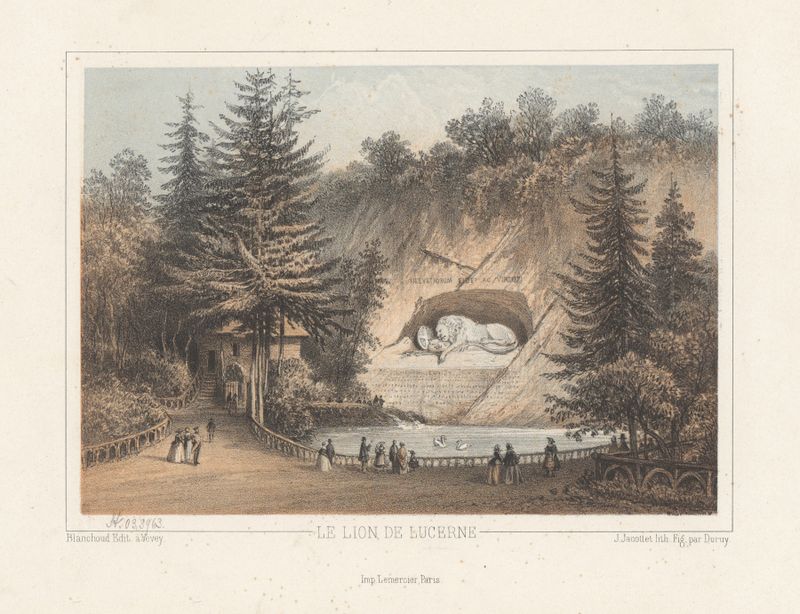
Le lion de Lucerne
Jean Jacottet
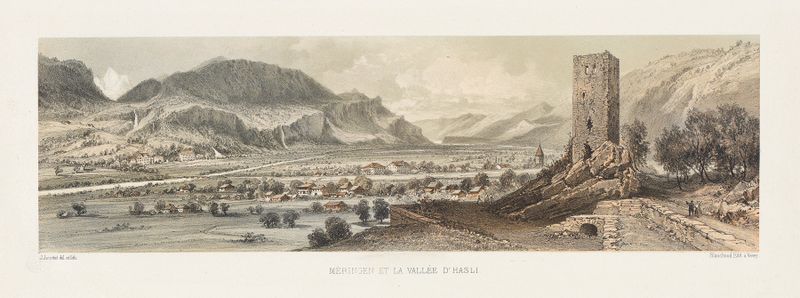
Méringen et la vallée d’Hasli
Jean Jacottet
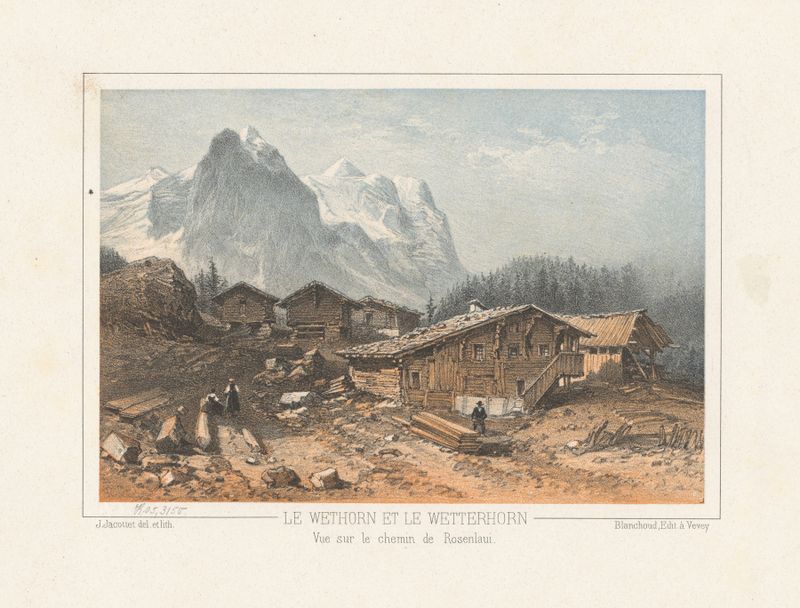
Le Wethorn et le Wetterhorn Vue sur le chemin de Rosenlaui
Jean Jacottet
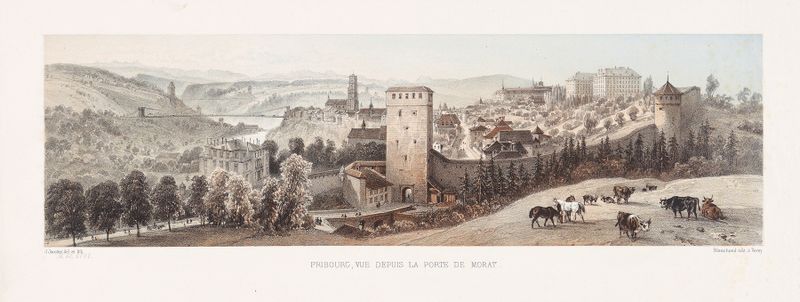
Fribourg, vue depuis la porte de Morat
Jean Jacottet
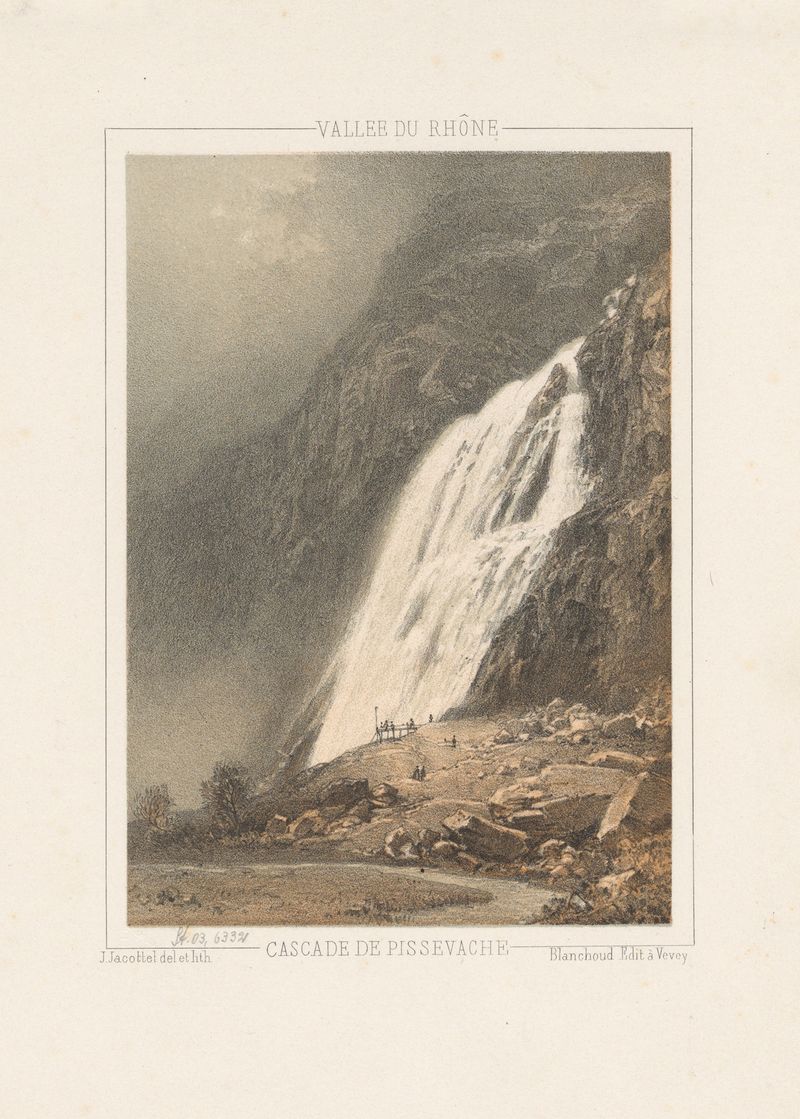
Cascade de Pissevache
Jean Jacottet
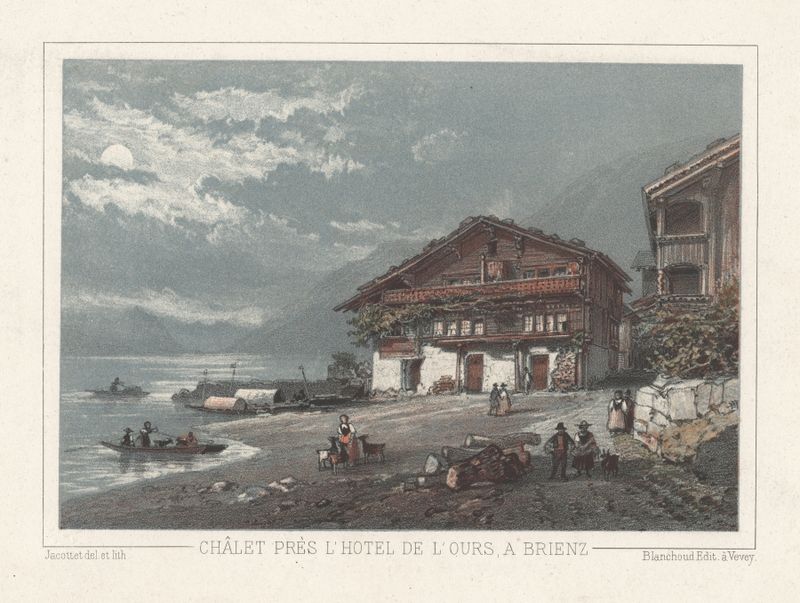
Châlet près l’Hotel de l’Ours, a Brienz
Jean Jacottet
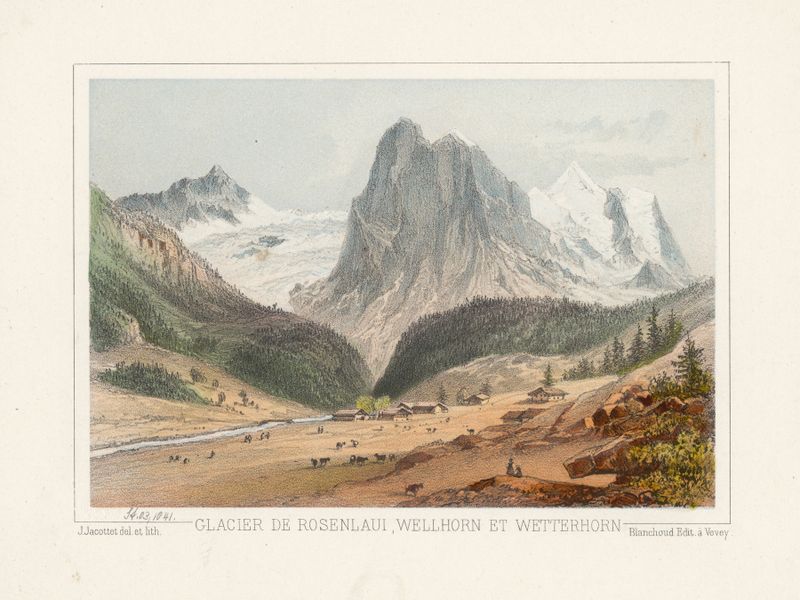
Glacier de Rosenlaui, Wellhorn et Wetterhorn
Jean Jacottet
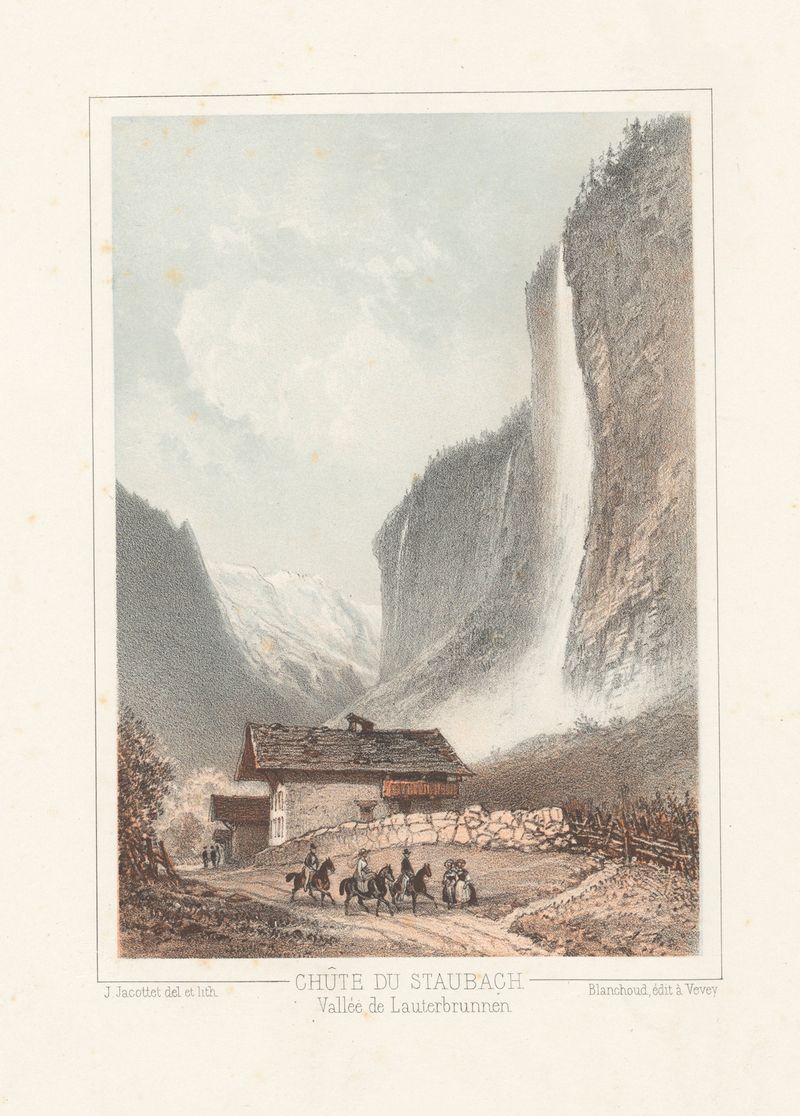
Chûte du Staubach Vallée de Lauterbrunnen
Jean Jacottet
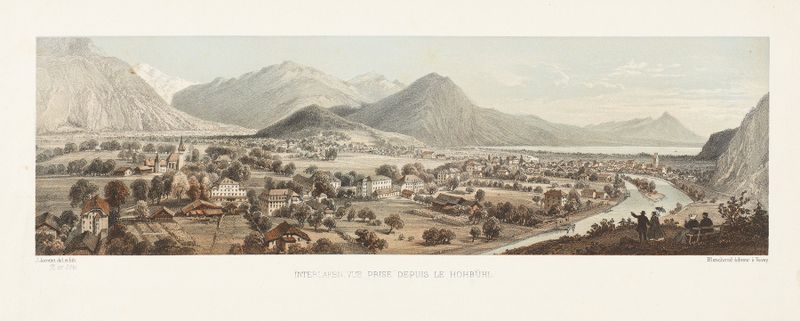
Interlaken, vue prise depuis le Hohbühl
Jean Jacottet
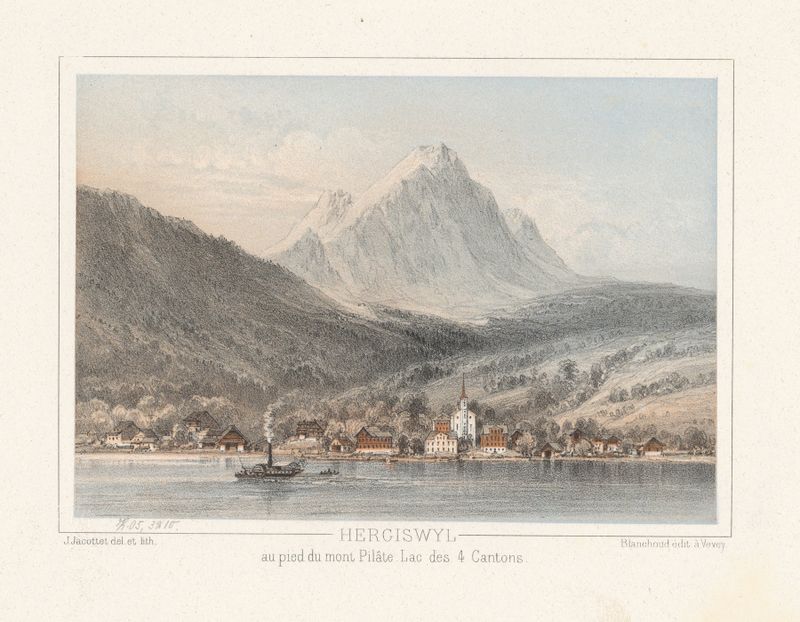
Hergiswyl au pied du mont Pilâte. Lac des 4 Cantons
Jean Jacottet





