Chicago Fair — History & Facts
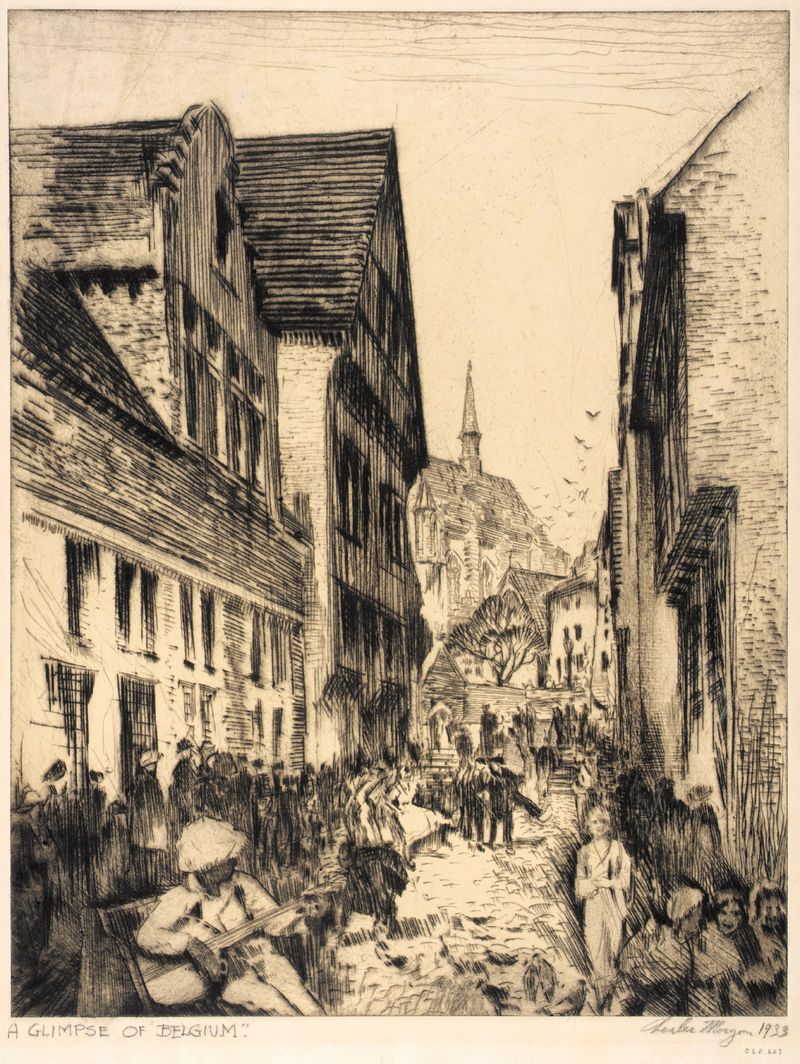
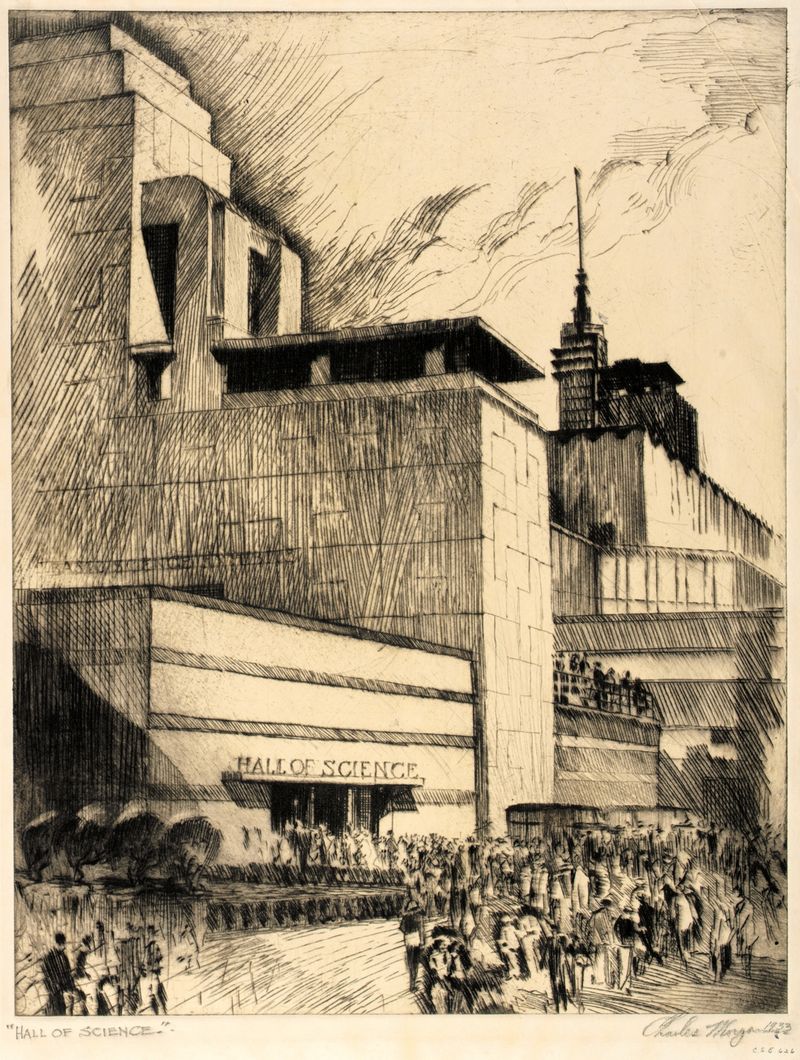
Is this a mirror — or a memory? In Chicago Fair, the interplay of shadow and light beckons the viewer into a realm where joy dances with melancholy, evoking the bittersweet nature of our recollections. Look to the central figure, a woman clad in vibrant attire, her posture radiating both confidence and an underlying wistfulness. Notice how the brilliant hues of red and yellow swirl around her, contrasting sharply with the muted, sepia tones of the background. The composition draws our gaze to her expressive face, capturing a moment that teeters between celebration and loss — the essence of a fair, yet tinged with a faint sorrow of what once was. Dive deeper into the details to uncover a narrative woven with contrasts: the bustling crowd behind her, oblivious to her silent reflection, hints at isolation amid festivity.
The delicate brushwork on her face tells a story of resilience. Yet, the careful shadowing along her eyes carries a weight, suggesting that joy and grief are often intertwined in our most cherished memories. The vibrant colors exude life, while the faint undertones of blue in the background whisper of nostalgia, an echo of longing for moments forever past. In 1933, Charles L.
Morgan painted this piece amidst the Great Depression, a time when the American spirit was stretched thin yet yearning for connection and hope. Living in Chicago, he found inspiration in the city’s fairs that symbolized renewal and resilience. As art movements began to reflect societal struggles, he chose to capture a moment that resonates with the complexity of human emotion, a testament to the era's duality of despair and celebration.