
Christus als Salvator Mundi — History & Facts
What if silence could speak through light? In a world where every brushstroke tells a story, some whispers of fragility linger in the air. Look to the center of the canvas, where a calm and resolute figure gazes out with serene authority. Notice how the soft glow envelops the Christ figure, illuminating His face and drawing the eye with an almost magnetic pull. The delicate folds of His garments, painted in muted tones, contrast with the vibrant sphere He holds, representing the world.
Each detail, from the subtle hues to the meticulous texture, serves to evoke a profound sense of tranquility and contemplation. As you delve deeper, consider the gesture of His hand, raised in a gentle benediction that conveys both power and compassion. The fragile balance between light and shadow captures the essence of vulnerability inherent in salvation—an acknowledgment of the human struggle, wrapped in divine embrace. The orb, while radiant, also symbolizes the weight of responsibility, hinting at a world filled with uncertainty and faith intertwined.
Such dualities elevate the piece beyond its surface, inviting viewers to reflect on their own fragility. Hans Sebald Beham created this work in 1520 during a period of significant religious upheaval in Europe, amid the rise of Protestantism and evolving artistic norms. Working in Nuremberg, Beham was influenced by the humanist movement, which sought to reconcile the divine with the human experience. This painting reflects both his mastery of chiaroscuro and his deep engagement with the spiritual questions of his time, presenting a compelling interpretation of Christ as the savior in an era filled with doubt.
More Artworks by Hans Sebald Beham
Browse all →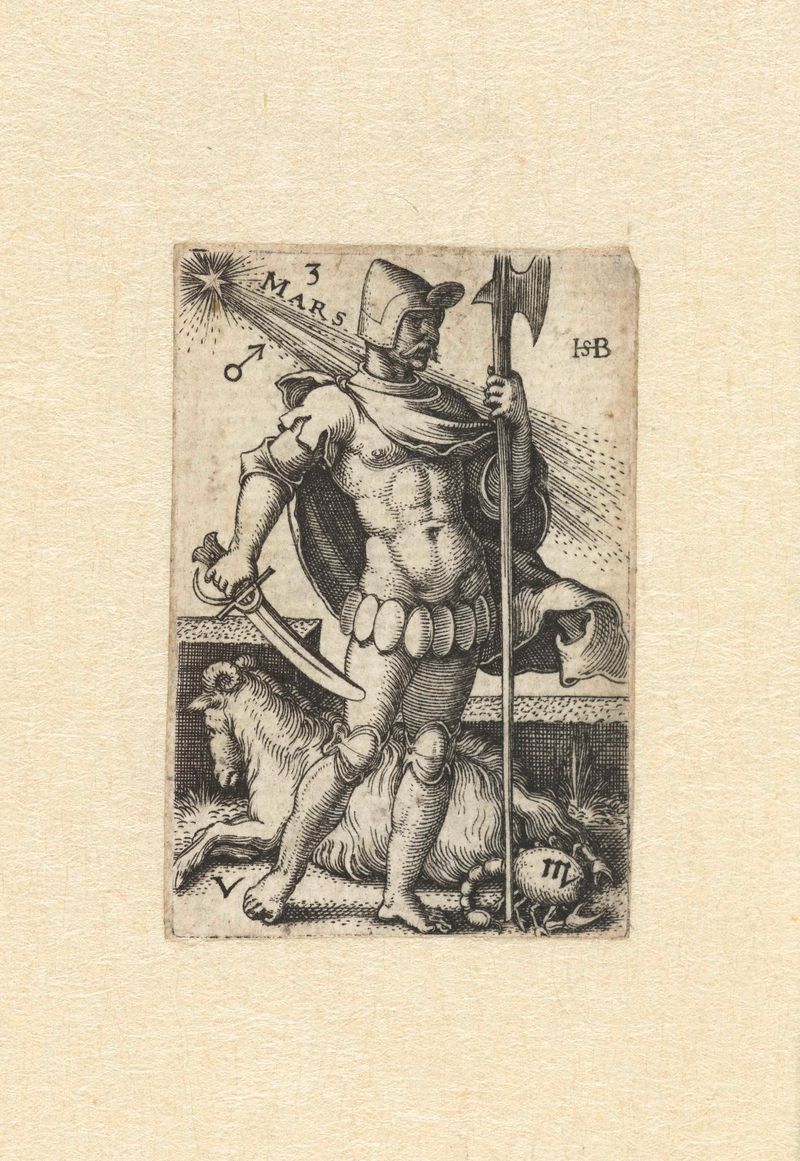
Mars met sterrenbeelden Ram en Schorpioen
Hans Sebald Beham

Achilles in gevecht met Hector
Hans Sebald Beham
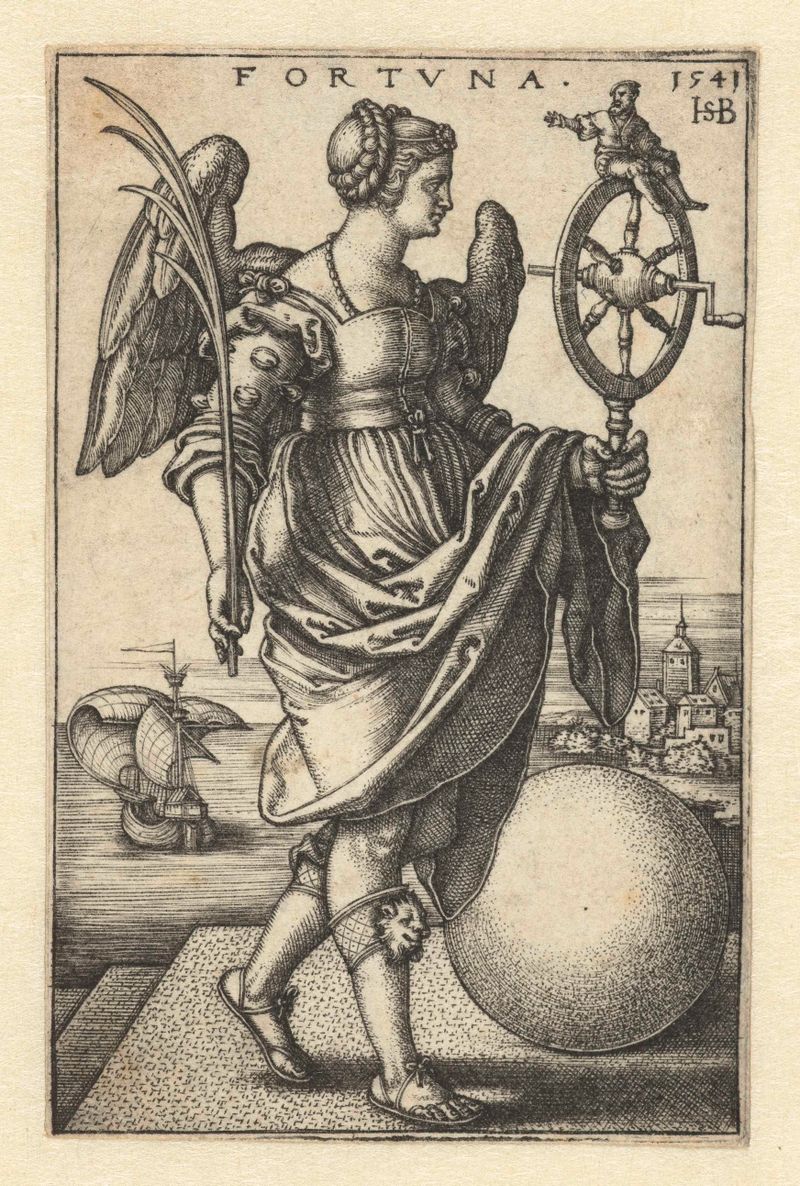
Fortuna
Hans Sebald Beham

Hercules worstelt met Antaeus
Hans Sebald Beham

Twee muzikanten met schalmey en doedelzak
Hans Sebald Beham

Voorzichtigheid (Prudentia)
Hans Sebald Beham

Hercules in gevecht met de Trojanen
Hans Sebald Beham
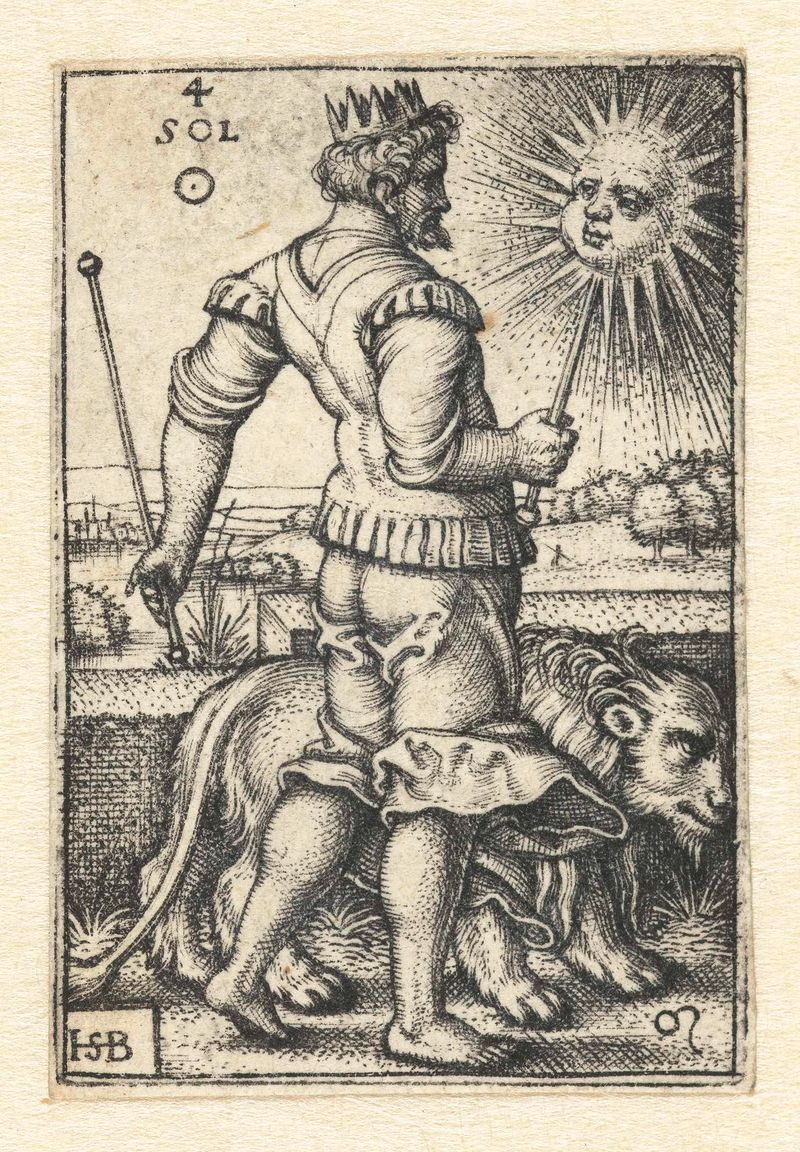
Apollo (Sol) met sterrenbeeld Leeuw
Hans Sebald Beham
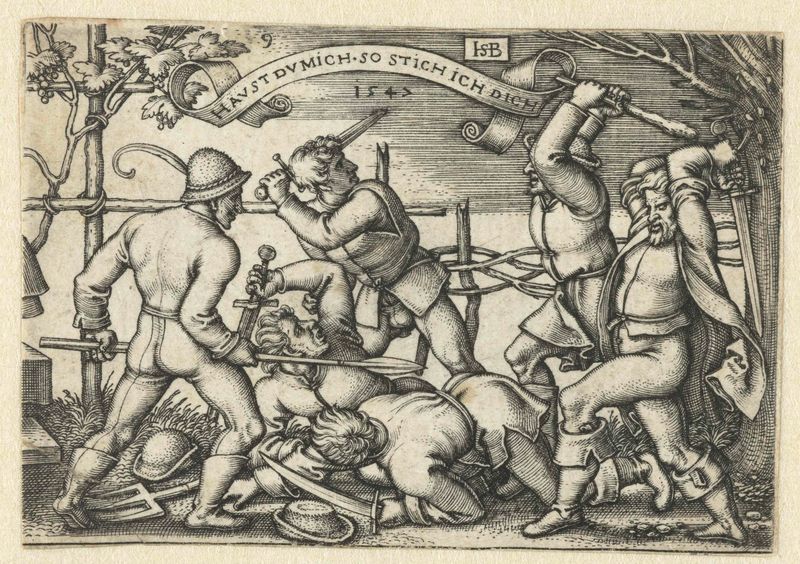
Vechtende boeren met zwaarden
Hans Sebald Beham
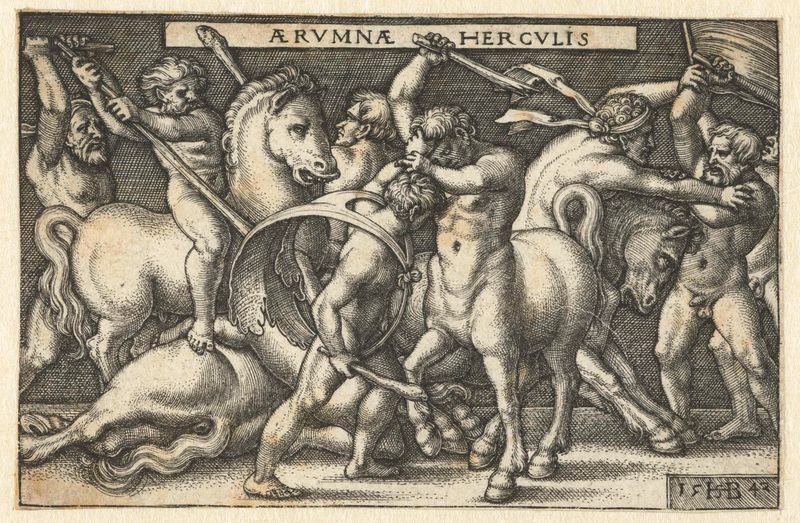
Hercules in gevecht met centaurs
Hans Sebald Beham
More Religious Art
Browse all →
The Return of the Prodigal Son
Rembrandt van Rijn

The Garden of Earthly Delights
El Bosco

Count Orgaz’ funeral
El Greco

The Hundred Guilder Print: the central piece with Christ preaching, the plate arched
Rembrandt van Rijn

The Descent from the Cross
Rogier van der Weyden

The return of the prodigal son
Rembrandt van Rijn