
Christus als Salvator Mundi staand op de wereldbol — History & Facts
In a realm where melancholy intertwines with divine purpose, a world teeters on the brink of salvation and despair. Focus on the poised figure at the center, Christ standing on a globe, which anchors the composition. His serene expression radiates a profound calm amidst a turbulent backdrop. Notice how the artist employs delicate chiaroscuro, with gentle light illuminating Christ’s garment while the darker edges suggest an enveloping mystery.
The rich colors of the globe contrast beautifully with the muted tones surrounding him, symbolizing hope amidst adversity. As you delve deeper, consider the significance of Christ’s gesture; one hand extends in blessing, while the other holds a crystal orb, a symbol of the cosmos and knowledge. This duality reflects the tension between divinity and humanity, as though he encompasses the weight of the world’s suffering yet offers solace. The globe beneath him is not only a physical representation but also a reminder of the fragile state of existence, contrasting the sacred presence above with the turmoil of life below. In 1546, Beham created this work while navigating the complex landscape of Reformation-era Europe, which was marked by religious upheaval and artistic innovation.
Working primarily in Nuremberg, he was influenced by both the Northern Renaissance and the emerging Protestant ideology, aiming to convey spiritual themes through accessible visual language. This piece captures his attempts to engage viewers with the profound themes of salvation and human struggle, rooted in a historical moment of transformation.
More Artworks by Hans Sebald Beham
Browse all →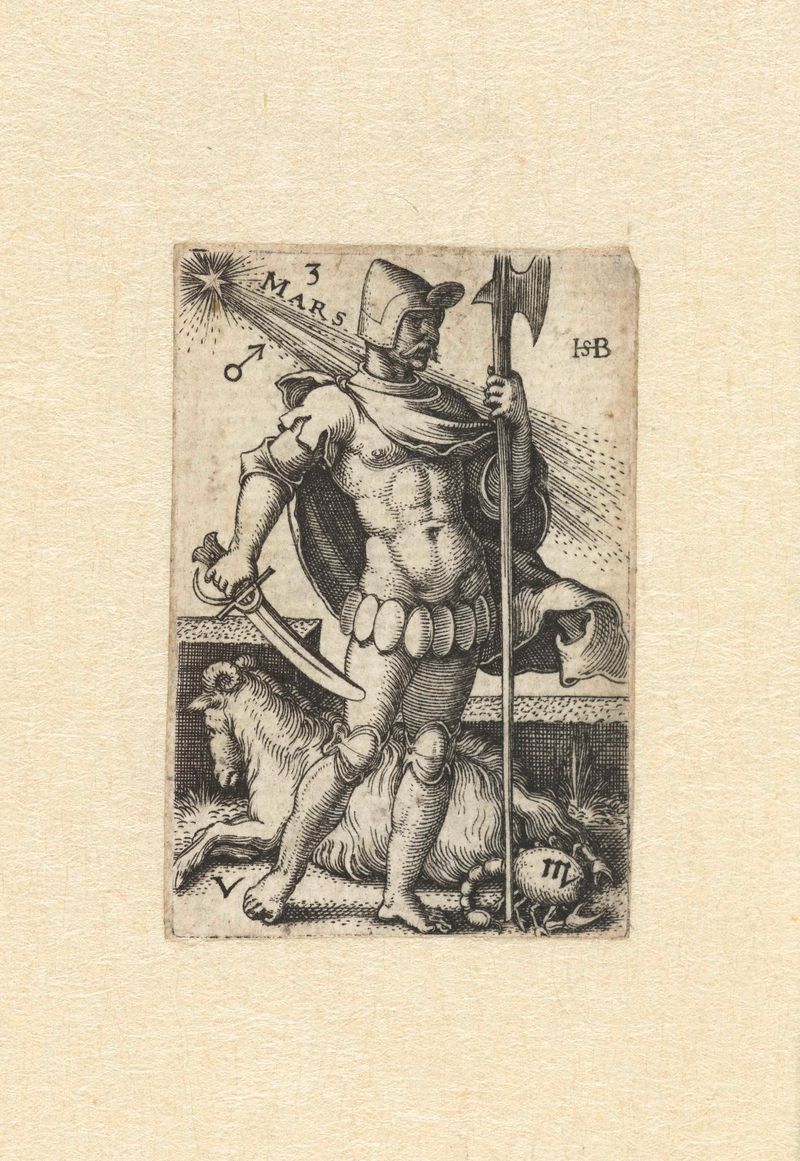
Mars met sterrenbeelden Ram en Schorpioen
Hans Sebald Beham

Achilles in gevecht met Hector
Hans Sebald Beham
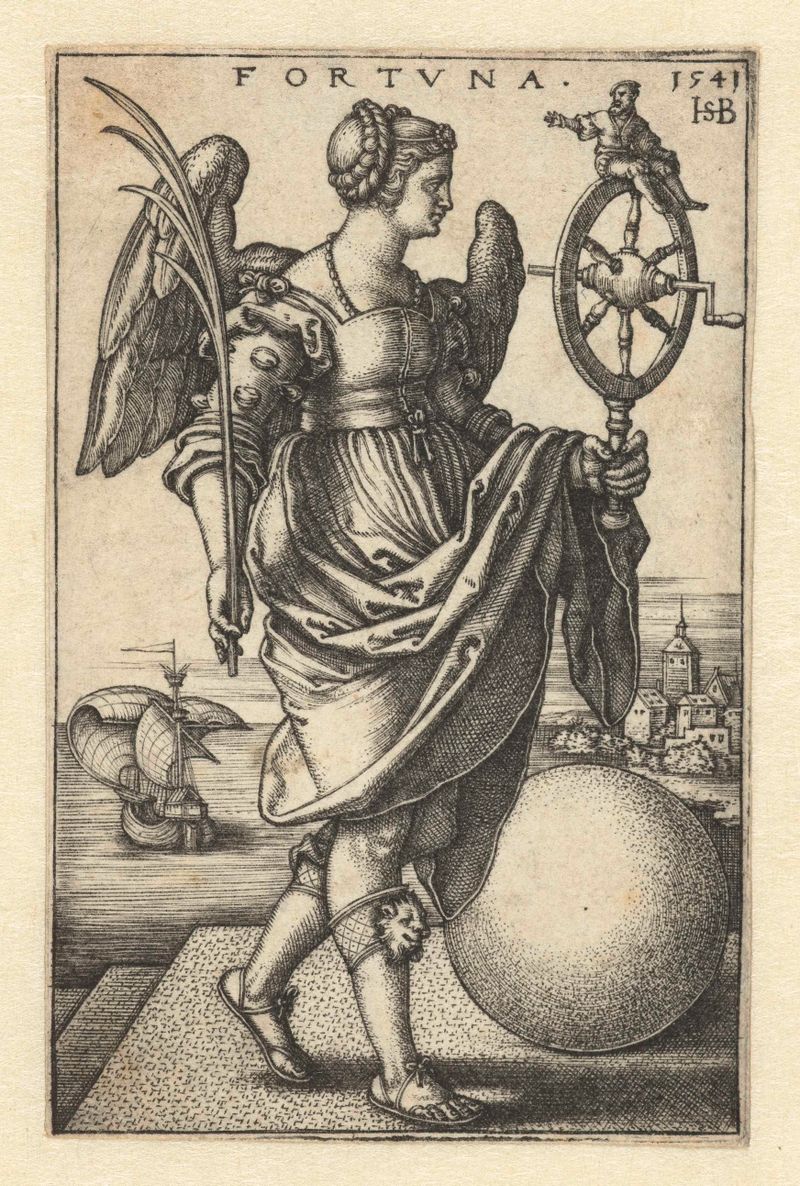
Fortuna
Hans Sebald Beham

Hercules worstelt met Antaeus
Hans Sebald Beham

Twee muzikanten met schalmey en doedelzak
Hans Sebald Beham

Voorzichtigheid (Prudentia)
Hans Sebald Beham

Hercules in gevecht met de Trojanen
Hans Sebald Beham
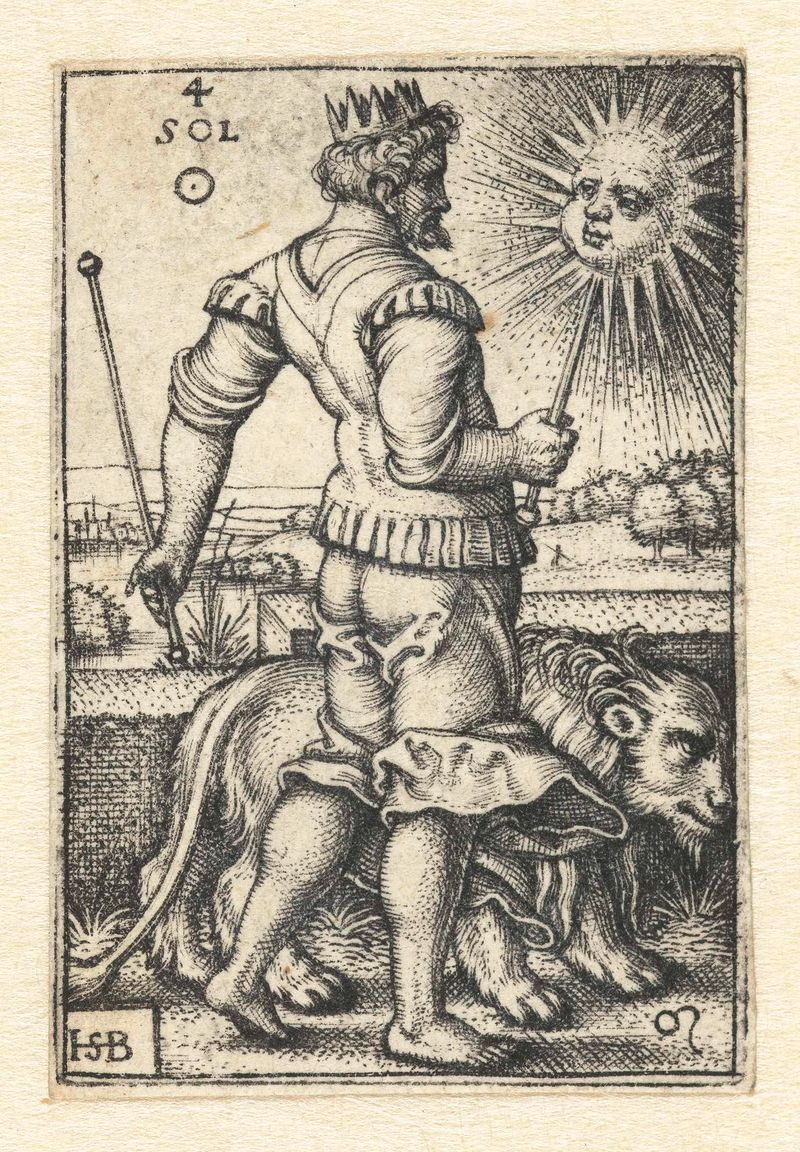
Apollo (Sol) met sterrenbeeld Leeuw
Hans Sebald Beham
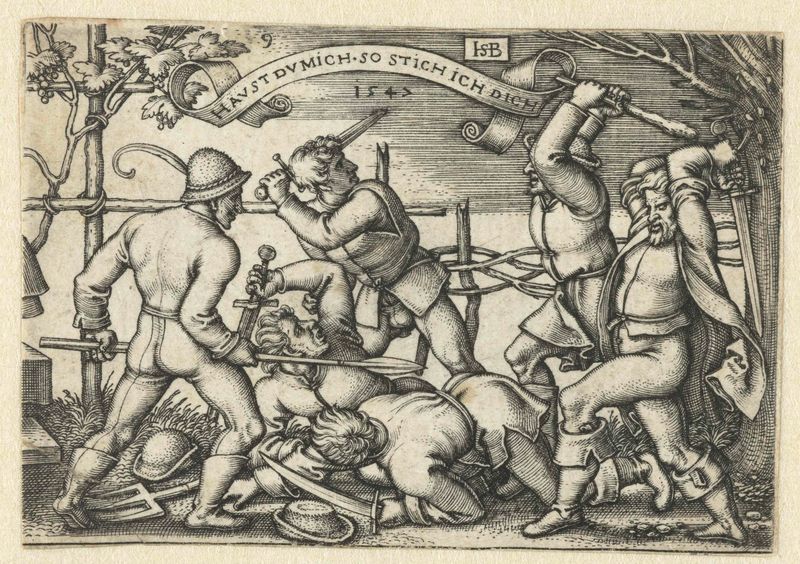
Vechtende boeren met zwaarden
Hans Sebald Beham
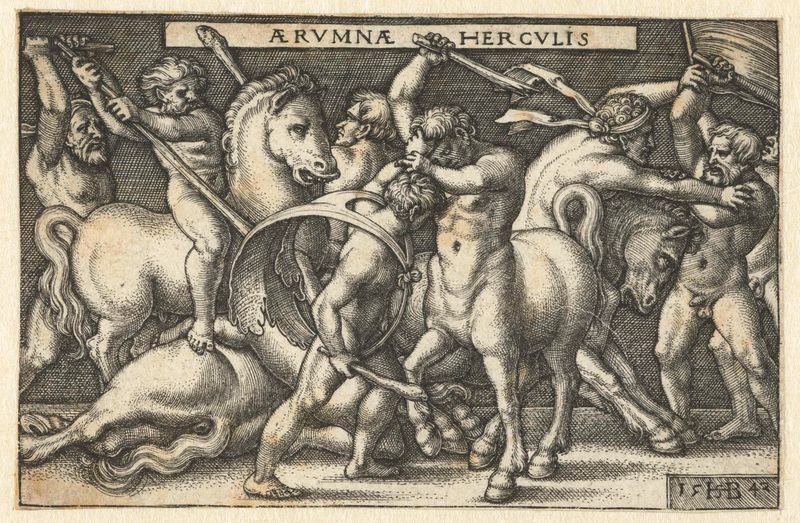
Hercules in gevecht met centaurs
Hans Sebald Beham
More Religious Art
Browse all →
The Return of the Prodigal Son
Rembrandt van Rijn

The Garden of Earthly Delights
El Bosco

Count Orgaz’ funeral
El Greco

The Hundred Guilder Print: the central piece with Christ preaching, the plate arched
Rembrandt van Rijn

The Descent from the Cross
Rogier van der Weyden

The return of the prodigal son
Rembrandt van Rijn