
Christus als Salvator Mundi staand op de wereldbol — History & Facts
In the intricate world of Renaissance art, ecstasy and suffering often intertwine, revealing deeper truths beneath the surface beauty. Look to the center of the composition, where the figure of Christ stands resolutely upon a spherical globe. His majestic presence captures the viewer's attention with its remarkable blend of grace and authority. Notice how the deep, rich colors of his robes contrast with the ethereal glow of the globe, hinting at the duality of his role as both a savior and a judge.
The delicate detailing of his hands, one raised in a gesture of blessing, invites contemplation, while the use of light enhances the three-dimensionality of his form, making him feel almost tangible. Within this artwork lies a tension between the divine and the earthly. The globe symbolizes the world, encapsulating humanity’s struggles, while Christ's serene expression suggests a profound understanding of both joy and suffering. The ornate patterns that embellish his robes further emphasize the complexity of his role, reflecting the opulence of divine grace amid worldly trials.
This delicate balance elicits a sense of reverence, inviting viewers to ponder the burdens of existence alongside the promise of salvation. Created in 1546, this piece reflects Hans Sebald Beham's exploration of religious themes during a time when the Protestant Reformation was reshaping the art world. Working in Nuremberg, Beham was a part of the growing movement that sought to express spiritual narratives through personal interpretations. His work not only exemplifies the artistic shifts of the period but also serves as a contemplative response to the emerging tensions within society and faith.
More Artworks by Hans Sebald Beham
Browse all →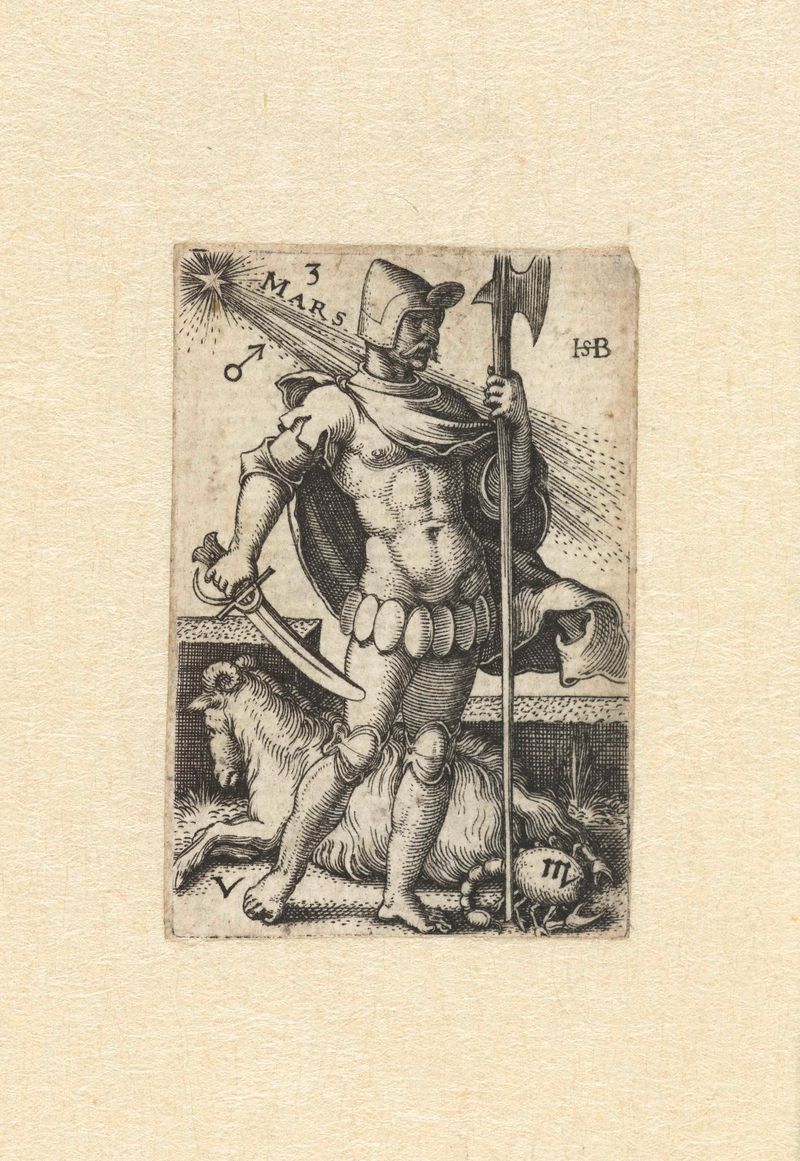
Mars met sterrenbeelden Ram en Schorpioen
Hans Sebald Beham

Achilles in gevecht met Hector
Hans Sebald Beham
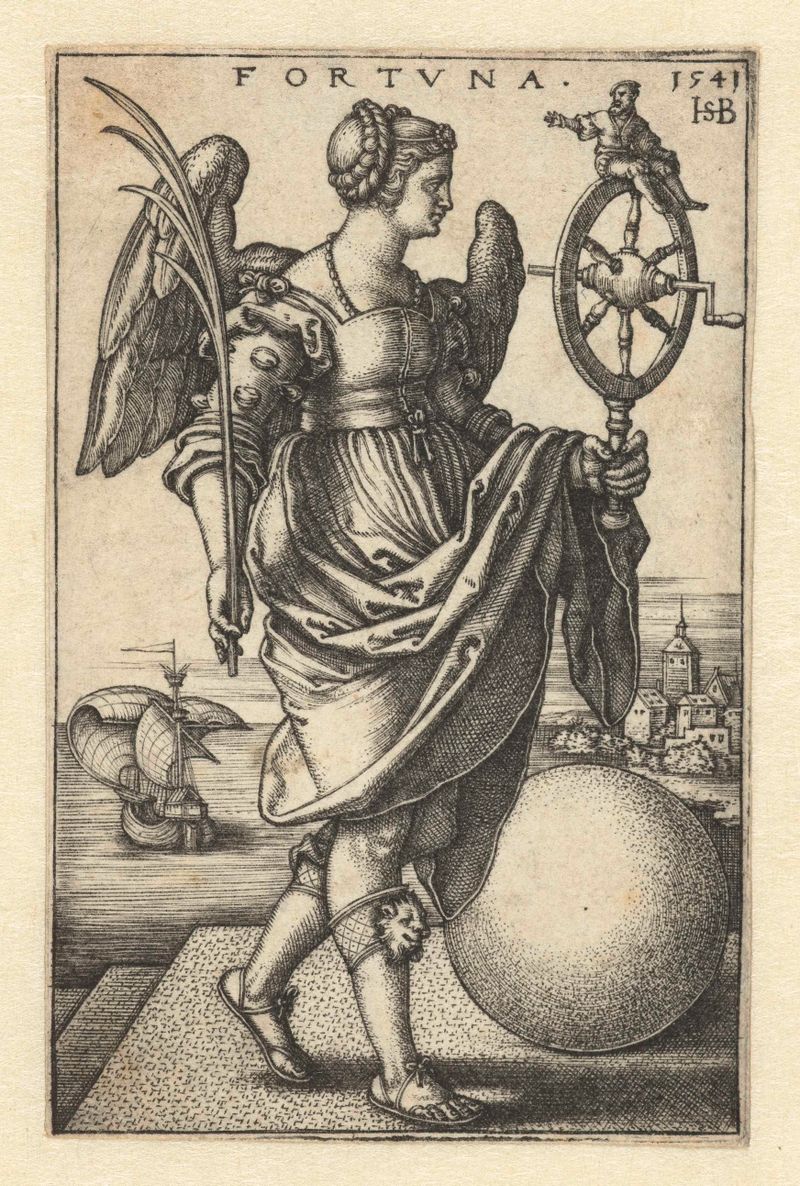
Fortuna
Hans Sebald Beham

Hercules worstelt met Antaeus
Hans Sebald Beham

Twee muzikanten met schalmey en doedelzak
Hans Sebald Beham

Voorzichtigheid (Prudentia)
Hans Sebald Beham

Hercules in gevecht met de Trojanen
Hans Sebald Beham
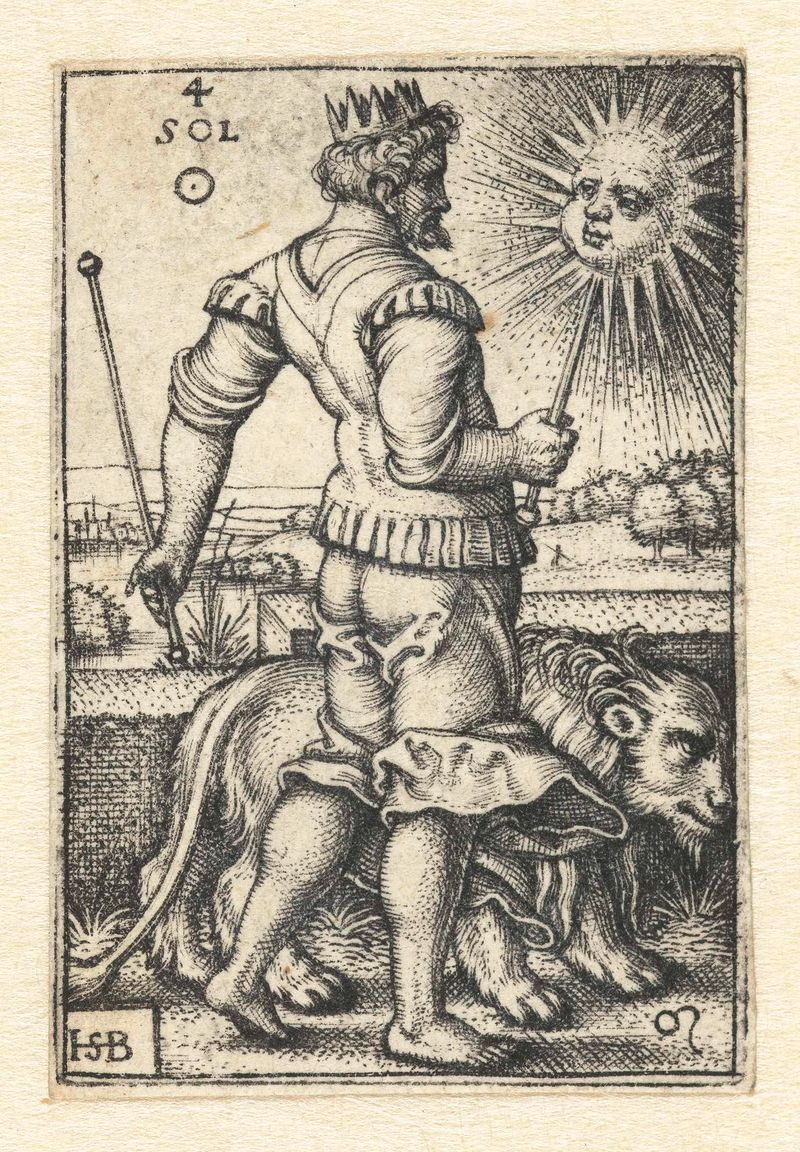
Apollo (Sol) met sterrenbeeld Leeuw
Hans Sebald Beham
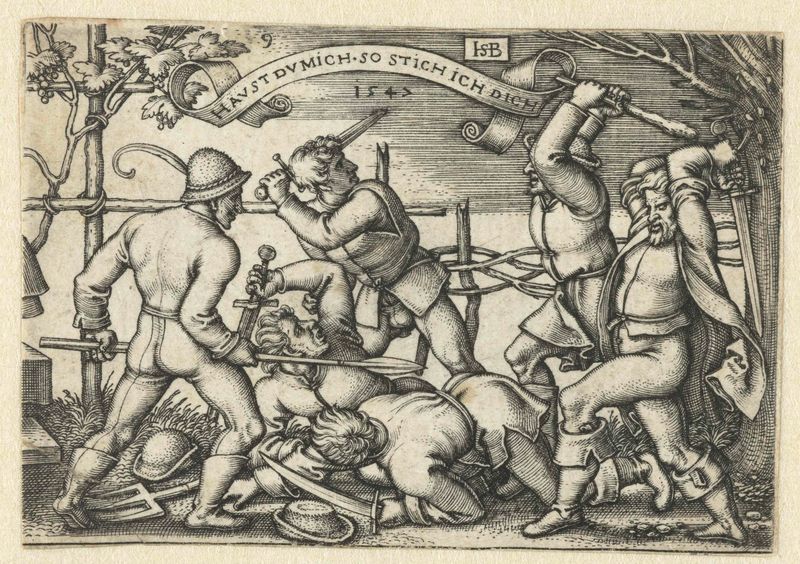
Vechtende boeren met zwaarden
Hans Sebald Beham
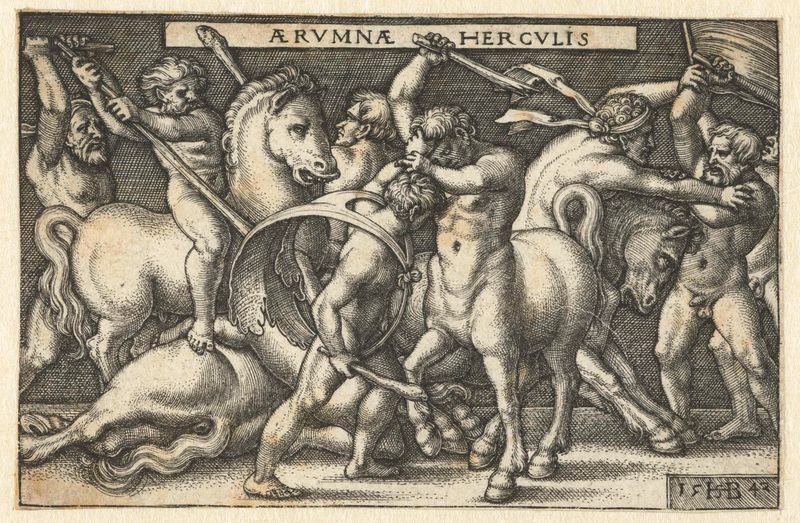
Hercules in gevecht met centaurs
Hans Sebald Beham
More Religious Art
Browse all →
The Return of the Prodigal Son
Rembrandt van Rijn

The Garden of Earthly Delights
El Bosco

Count Orgaz’ funeral
El Greco

The Hundred Guilder Print: the central piece with Christ preaching, the plate arched
Rembrandt van Rijn

The Descent from the Cross
Rogier van der Weyden

The return of the prodigal son
Rembrandt van Rijn