
Christus en de Samaritaanse vrouw — History & Facts
Who listens when art speaks of silence? In Christus en de Samaritaanse vrouw, the delicate interplay of figures creates a profound moment that resonates with fragility and depth. Here, we are invited to witness an encounter steeped in tension and understanding, where vulnerability and grace intertwine. Focus first on the expressive gaze of the Samaritan woman, positioned to the left, her eyes reflecting a complex mixture of curiosity and caution. Notice the gentle curve of her body, drawing the viewer into a sheltered space of intimacy, while the soft, warm palette illuminates their connection.
The artist's meticulous attention to detail in their robes, rendered with intricate patterns, accentuates the societal barriers they both confront, while the background fades into a subtle blur, emphasizing their shared moment. Look closer to discover the delicate fragility that lies within the gestures of both figures. The slight tilt of Christ's head suggests compassionate understanding, while the woman's hesitant posture reveals her societal struggles. This contrast evokes a silent dialogue about acceptance and the breaking of societal norms, conveying a powerful message about the human condition and the search for solace amidst judgment. Created between 1510 and 1550, during a time of significant religious and social upheaval in Europe, the artist captures a moment that transcends the era's turmoil.
Beham's work reflects the early Renaissance's shift towards humanism, exploring themes of empathy and connection. This painting stands not just as a religious narrative, but as a powerful testament to the intricate web of human relationships that defined his era.
More Artworks by Hans Sebald Beham
Browse all →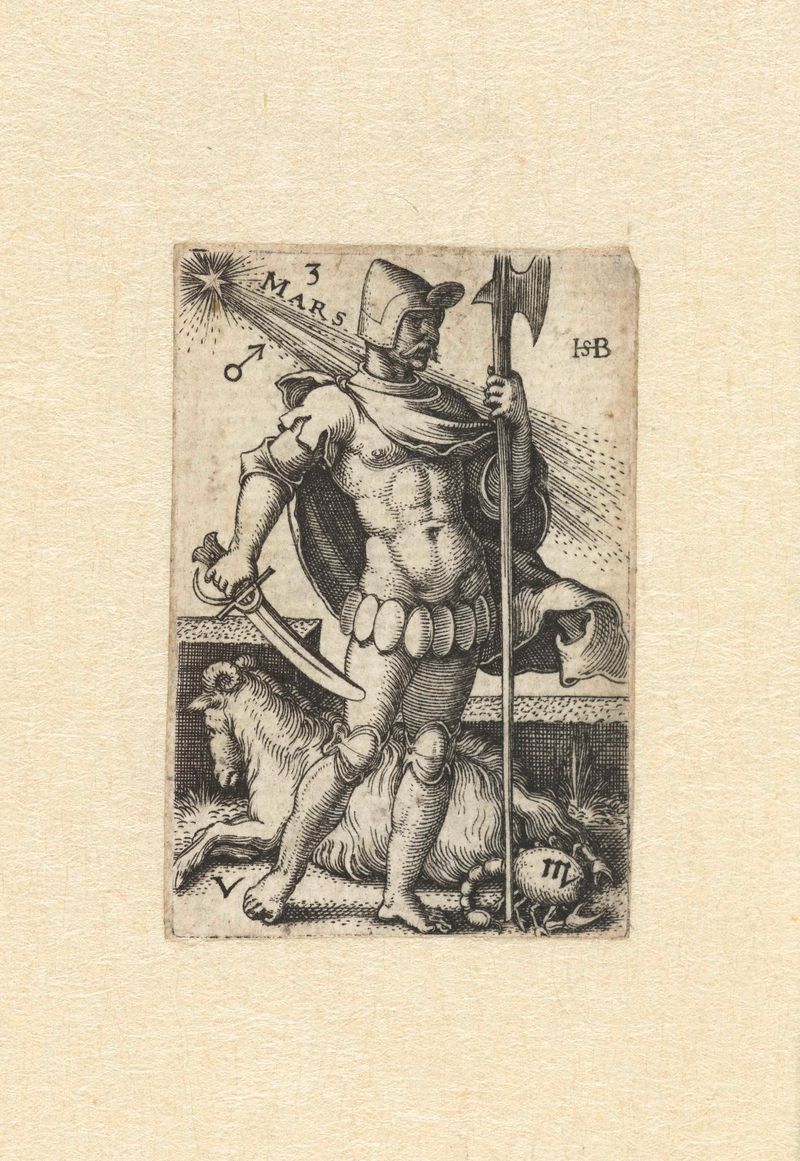
Mars met sterrenbeelden Ram en Schorpioen
Hans Sebald Beham

Achilles in gevecht met Hector
Hans Sebald Beham
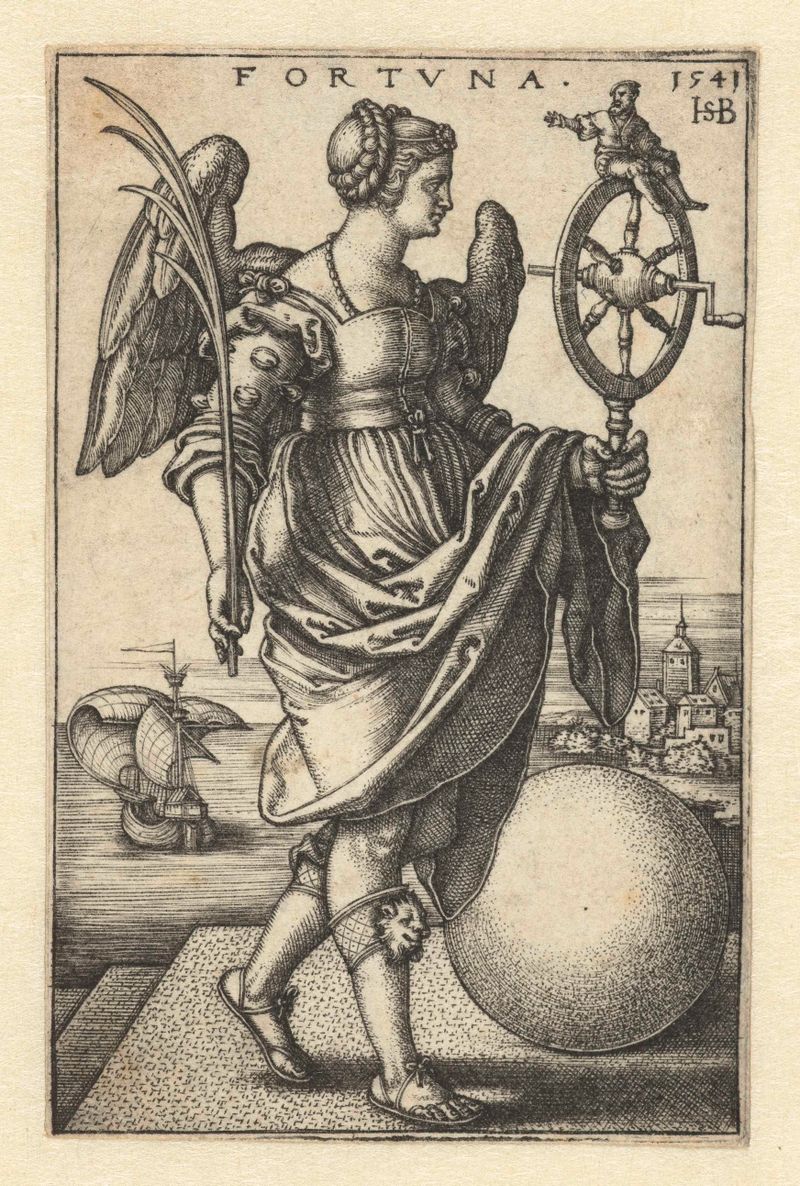
Fortuna
Hans Sebald Beham

Hercules worstelt met Antaeus
Hans Sebald Beham

Twee muzikanten met schalmey en doedelzak
Hans Sebald Beham

Voorzichtigheid (Prudentia)
Hans Sebald Beham

Hercules in gevecht met de Trojanen
Hans Sebald Beham
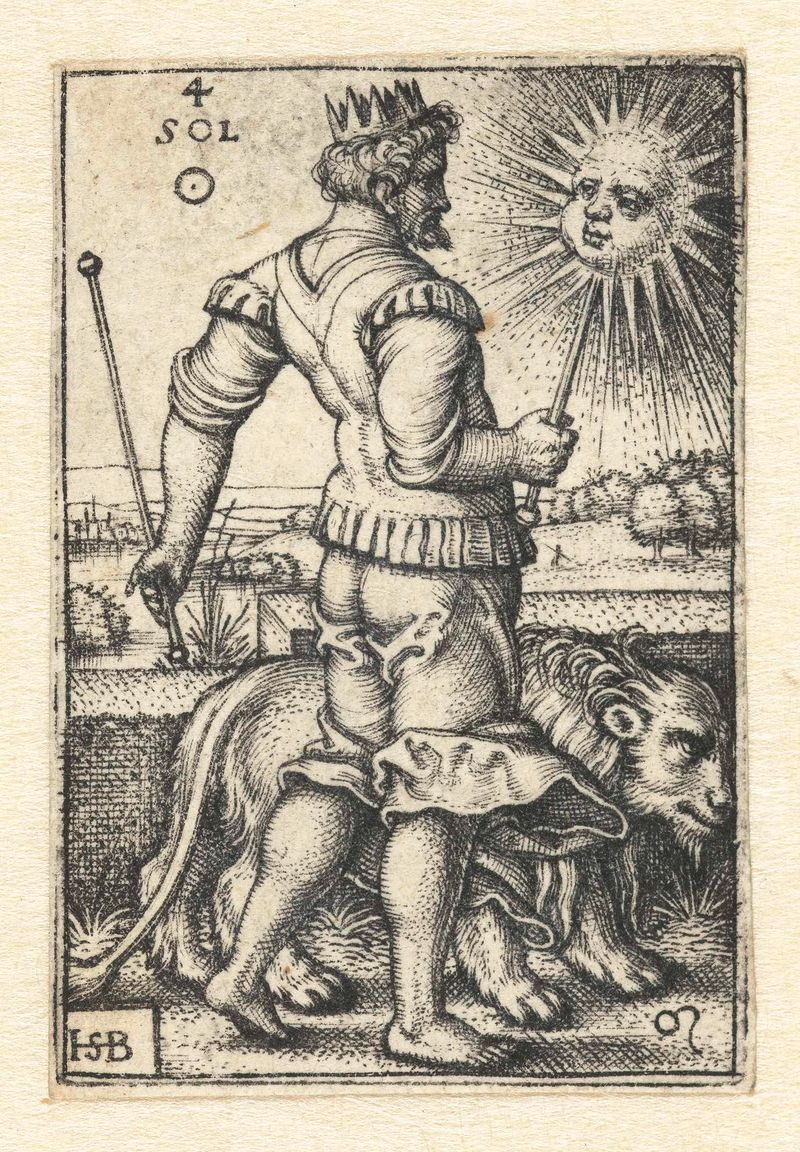
Apollo (Sol) met sterrenbeeld Leeuw
Hans Sebald Beham
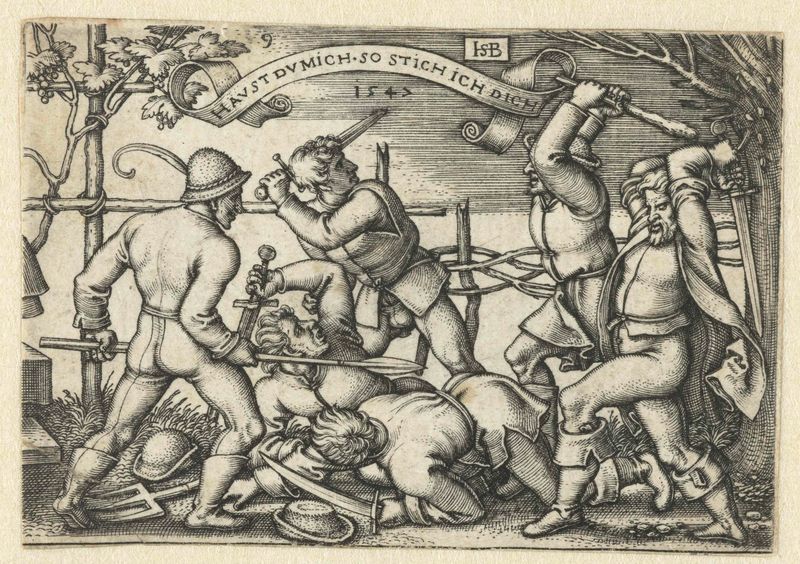
Vechtende boeren met zwaarden
Hans Sebald Beham
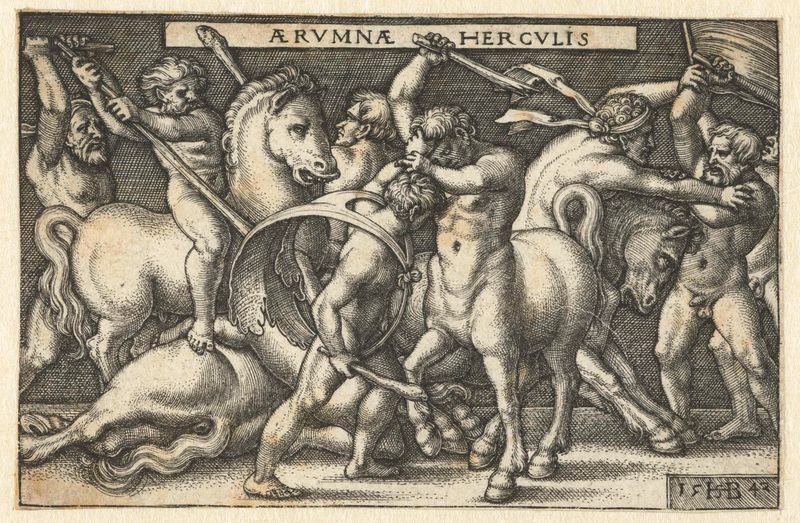
Hercules in gevecht met centaurs
Hans Sebald Beham
More Religious Art
Browse all →
The Return of the Prodigal Son
Rembrandt van Rijn

The Garden of Earthly Delights
El Bosco

Count Orgaz’ funeral
El Greco

The Hundred Guilder Print: the central piece with Christ preaching, the plate arched
Rembrandt van Rijn

The Descent from the Cross
Rogier van der Weyden

The return of the prodigal son
Rembrandt van Rijn