Church Interior — History & Facts
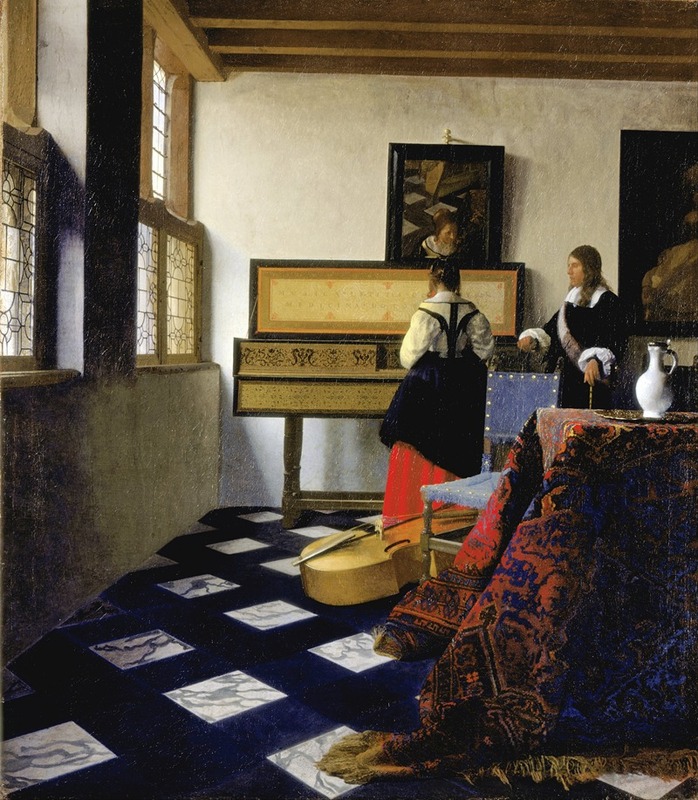
In the realms of solitude, one often finds the most profound reflections of the human experience. Focus first on the left, where the soft, muted tones of the church walls cradle the empty pews. Notice how the dim light filters through the stained glass, casting fractured patterns on the stone floor, creating a canvas of quiet contemplation. The composition draws you inward, inviting you to explore the sanctuary’s stillness, emphasizing the vastness of the space against the absence of life. Yet, within this tranquil emptiness lies an unsettling tension.
The stark contrast between the vibrant hues of the stained glass and the cool, shadowy recesses of the church speaks to feelings of isolation and longing. Each empty pew serves as a reminder of the faith that once filled this space, prompting the viewer to reflect on their own search for connection amidst loneliness. The silence reverberates, suggesting stories untold, prayers unspoken—echoes of a community that has faded. In 1841, Pierre François Van Belle painted this evocative scene during a time when religious sentiments were waning in Europe, and the Romantic movement began to influence artistic expression.
Living in Belgium, he sought to capture the essence of sacred spaces at a moment when they were becoming increasingly deserted, mirroring society's evolving relationship with faith. This work reflects both a personal and collective introspection amid an era of change.