Church with Cedar Tree on Left — History & Facts
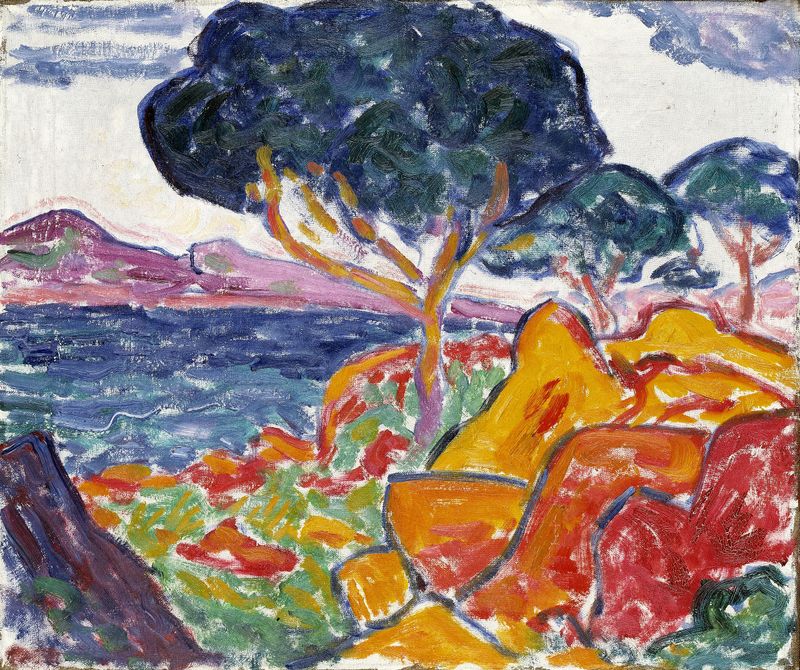
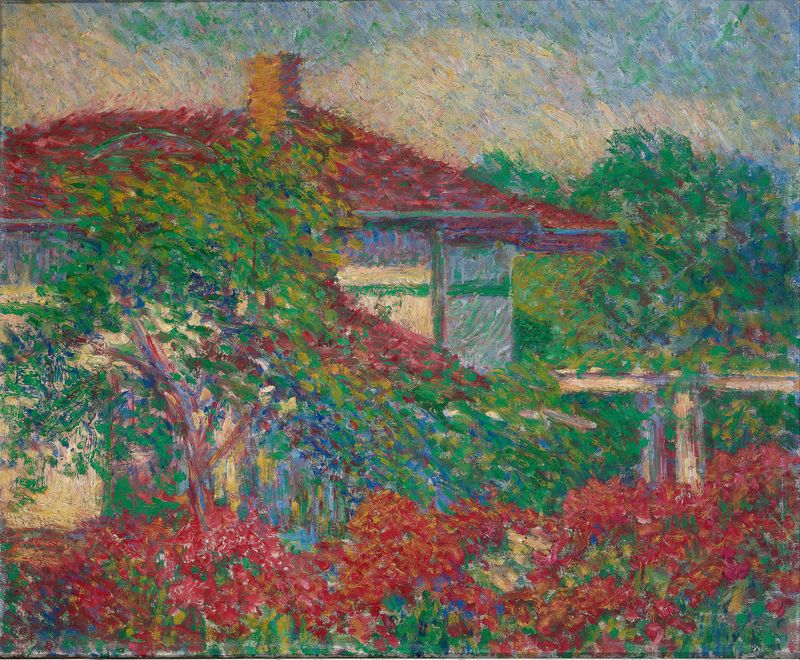
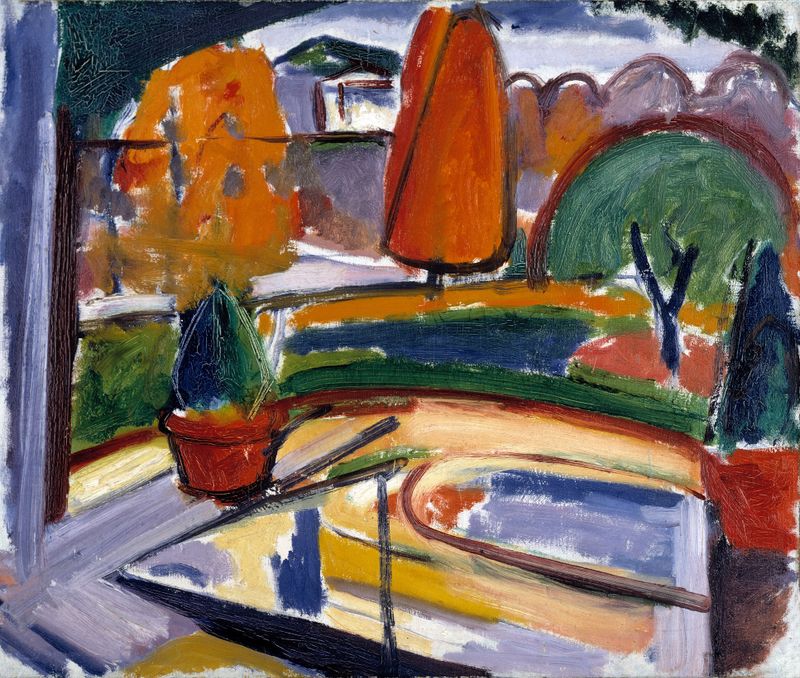
The ethereal beauty of the world often lies in what we cannot articulate but can only feel. It whispers through the brushstrokes of a canvas, inviting us to explore the delicate balance between nature and the human touch. Look to the left at the towering cedar tree, its deep greens contrasting against the softly muted tones of the church's façade. The sunlight catches the branches, creating a dappled effect that bridges the vibrant and serene.
The composition invites your gaze to travel from the grounded strength of the tree to the architectural grace of the structure, each element harmonizing in an unspoken dialogue. The subtle palette of earthy tones evokes a sense of tranquility, where every stroke seems deliberate and contemplative. Beneath the surface, the cedar stands not merely as a fixture but as a symbol of resilience and life, while the church embodies faith and aspiration. The juxtaposition of these two forms suggests an underlying tension—nature’s enduring presence against the fleeting nature of human creation.
This dynamic interplay evokes both nostalgia and reverence, urging the viewer to consider their own place within this serene landscape. Carl Newman created this work before 1932, a time when he was exploring the intersections of nature and architecture within his artistry. Living during a period marked by burgeoning modernity, he sought to capture the stillness and beauty of traditional forms amidst a rapidly changing world. This painting reflects his commitment to represent not just the physical, but the spiritual resonance of his subjects.