Civitella Seen from the North — History & Facts
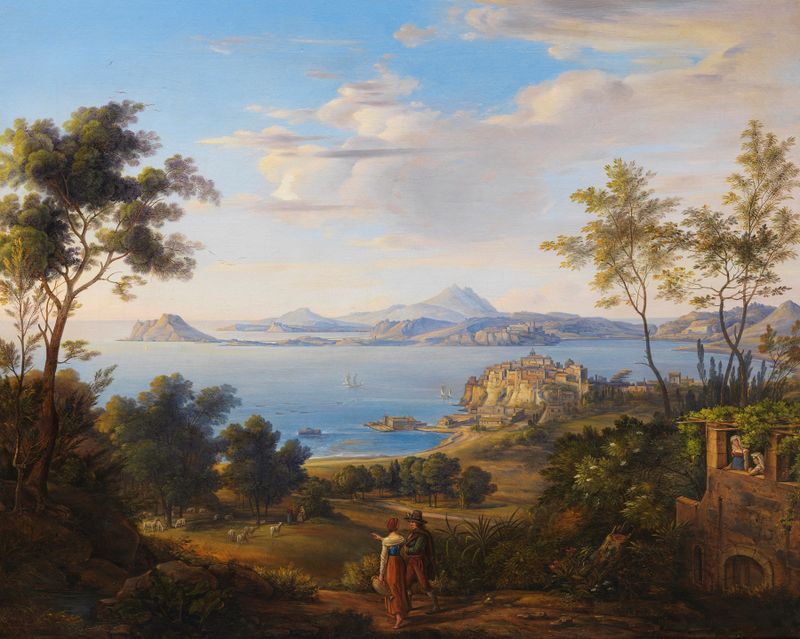
In a world where violence and tranquility coexist, artistry emerges as a vessel of transformation. Here, a serene landscape belies the tumultuous energies that swirl beneath the surface, inviting a contemplation of the balance between beauty and conflict. Focus on the horizon line where the sun gently kisses the peaks of distant hills, casting a warm, golden light that bathes the quaint village of Civitella. Notice how the vibrant greens of the fields contrast sharply with the deep, brooding blues of the sky, creating a dynamic tension that pulls the viewer’s eye across the canvas.
The brushstrokes, though soft and delicate, hint at the violent undercurrents of nature, blurring the edges of reality and imbuing the scene with a sense of unease. As you delve deeper, consider the juxtaposition of calm and chaos. The idyllic portrayal of the village suggests a peaceful existence, yet the dark clouds lurking in the background threaten imminent disruption. Each house stands firm against the encroaching shadows, a testament to resilience amid potential turmoil.
This duality reflects the human condition—one’s struggle to find peace in a world filled with uncertainty and strife. Created between 1820 and 1825, this work exemplifies the early Romantic period’s fascination with nature and emotion. Johann Joachim Faber, a lesser-known yet significant figure of this era, painted amidst shifting artistic movements that emphasized individual experience and the sublime. At this time, Europe was grappling with social upheaval and the legacy of the Napoleonic Wars, making the exploration of such themes both relevant and poignant in the art of the day.