
Clair de lune — History & Facts
In the soft embrace of twilight, a tranquil moment unfurls, encapsulating the bittersweet essence of melancholy. The shimmering light dances on a serene landscape, inviting viewers to ponder the depths of their own emotions and experiences. Focus on the gentle strokes that weave through the canvas, creating ethereal reflections on the water's surface. Notice how the moonlight bathes the scene in delicate pastels, painting a world that feels both otherworldly and intimate.
The composition draws you in with its harmonious balance, leading your gaze from the luminous sky to the subtle ripples below, softly merging the boundaries of reality and dream. Beneath its serene exterior, Clair de lune speaks to themes of solitude and longing. The interplay of light and shadow evokes a sense of introspection, urging the viewer to explore the layers of emotion simmering beneath the tranquil surface. Here, the whispers of the night echo the complexities of human connection, reminding us that beauty often coexists with sadness, creating a profound sense of longing in the viewer's heart. In 1900, Henri Le Sidaner painted this evocative piece during a period when he was deeply influenced by the Symbolist movement.
Living in France, he sought to capture the fleeting moments of beauty found in everyday life, often exploring the interplay of light and atmosphere. At this time, he was honing his unique style, integrating Impressionist techniques with a personal vision that emphasized emotional resonance over mere representation.
More Artworks by Henri Le Sidaner
Browse all →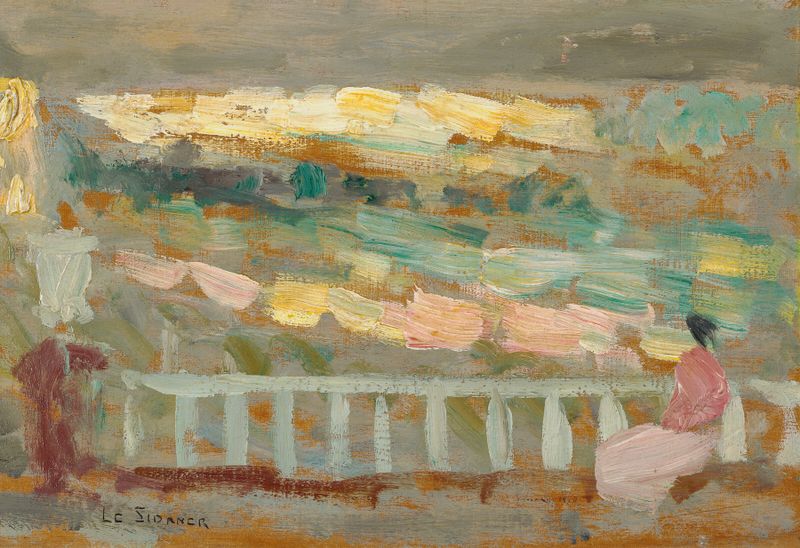
Terrasse à Gerberoy
Henri Le Sidaner
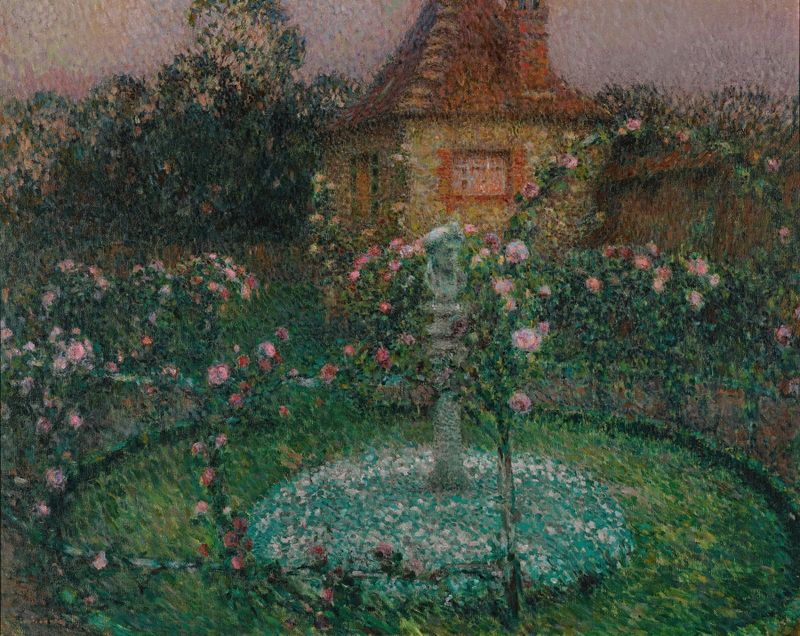
Le Pavillon, Gerberoy
Henri Le Sidaner
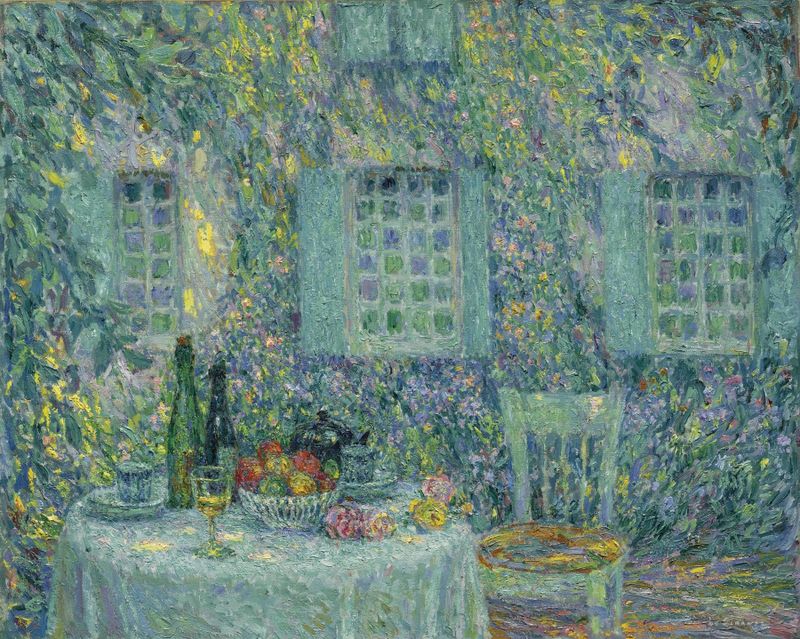
La Table, soleil dans les feuilles, Gerberoy
Henri Le Sidaner
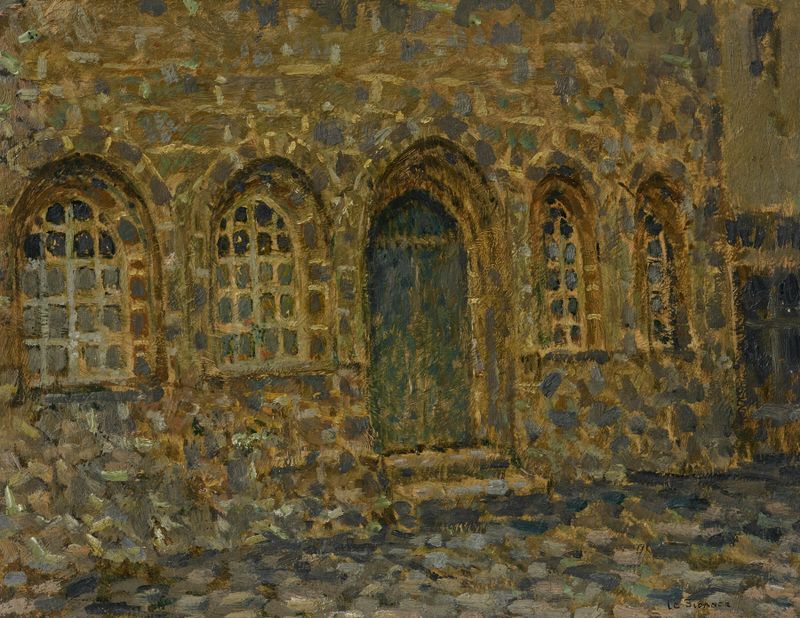
Maison ancienne, Tréguier
Henri Le Sidaner
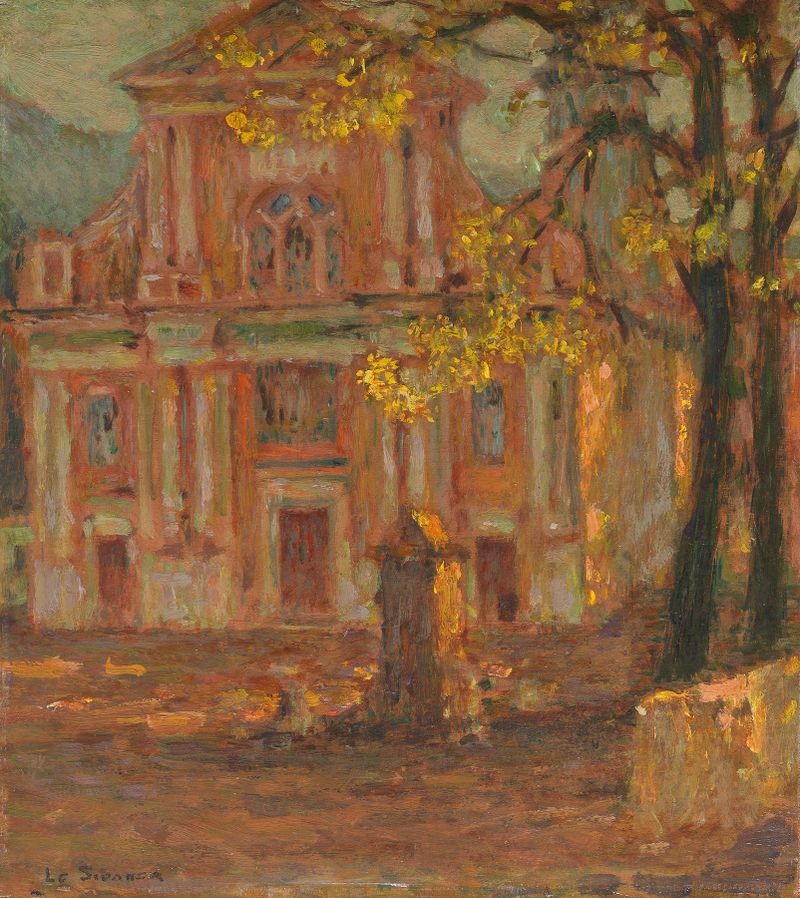
L’église, Dolceacqua
Henri Le Sidaner
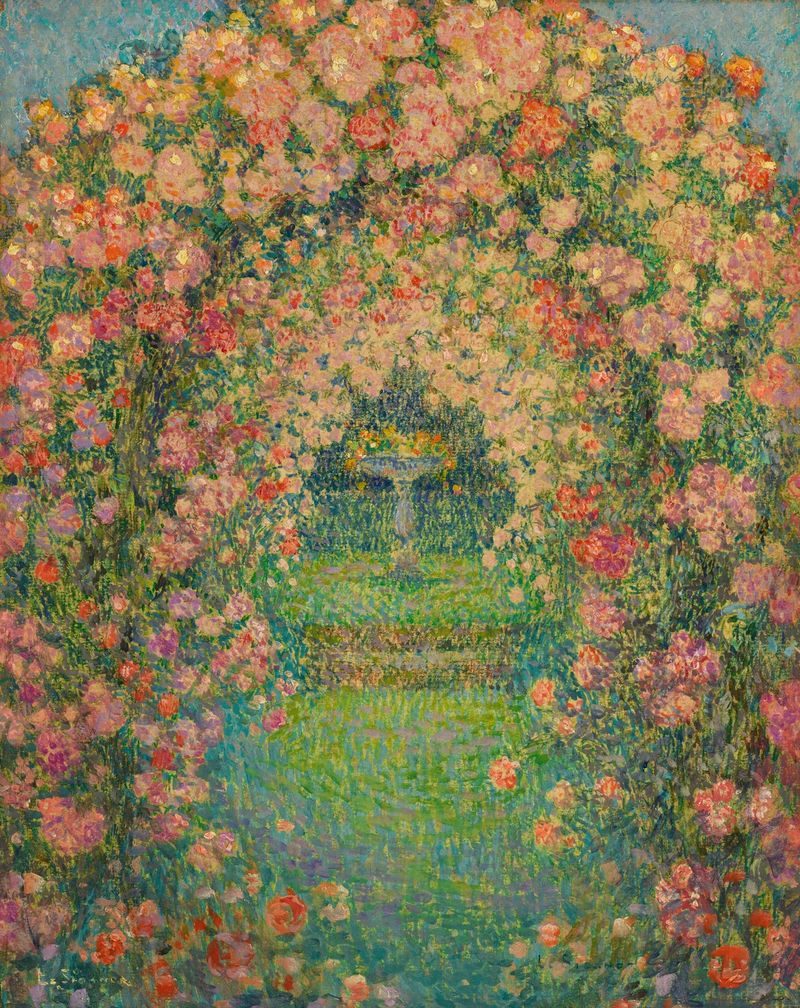
La Roseraie, Gerberoy
Henri Le Sidaner
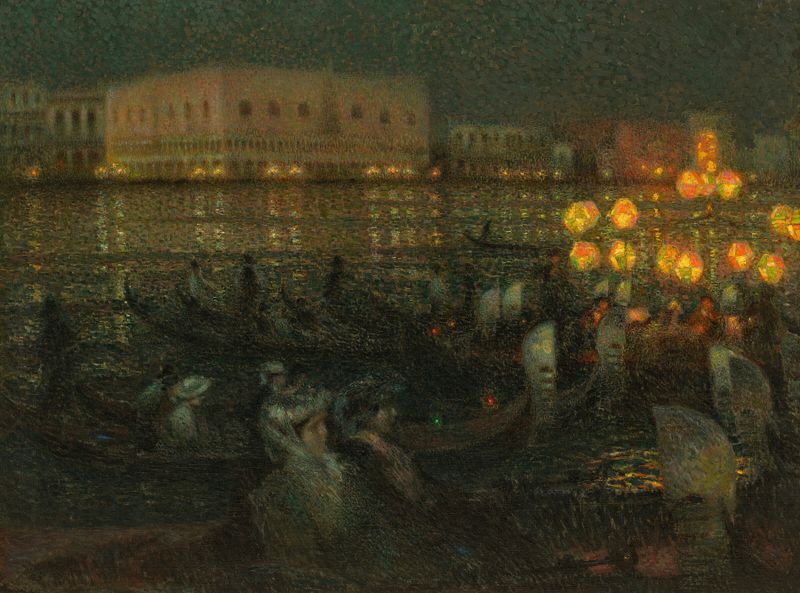
La Sérénade, Venise
Henri Le Sidaner
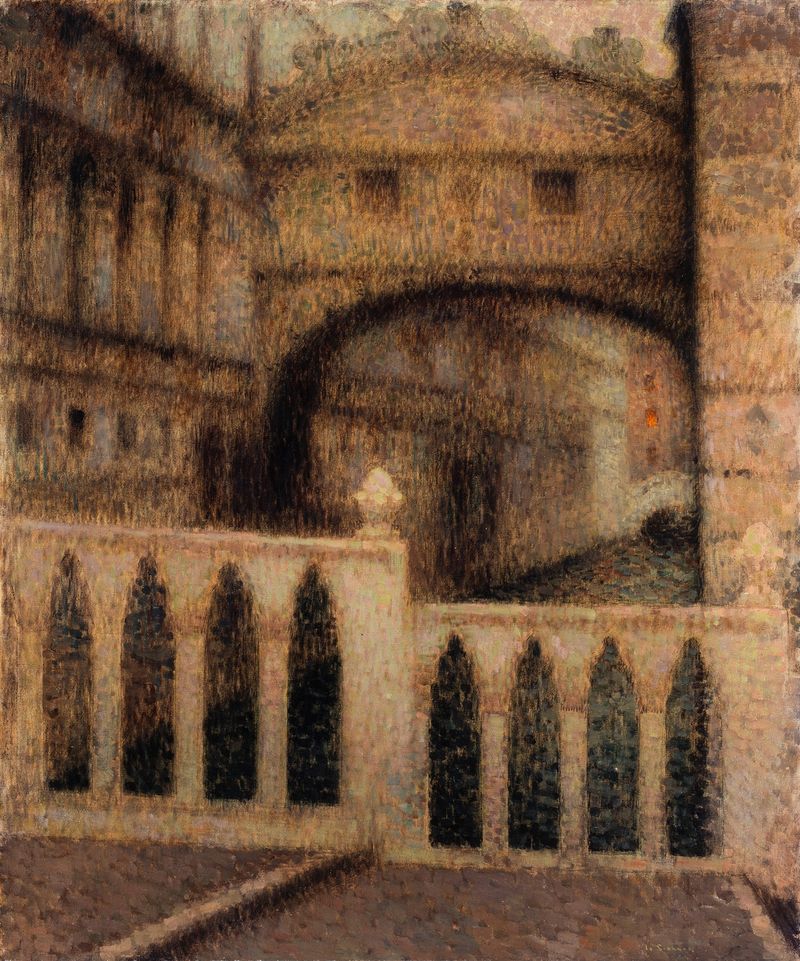
Le pont des Soupirs
Henri Le Sidaner
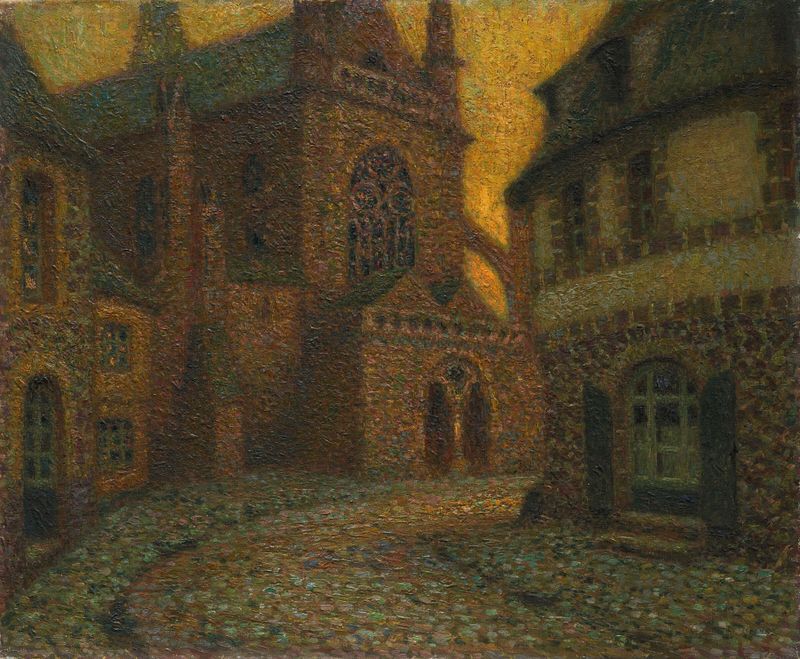
L’Église, Tréguier
Henri Le Sidaner
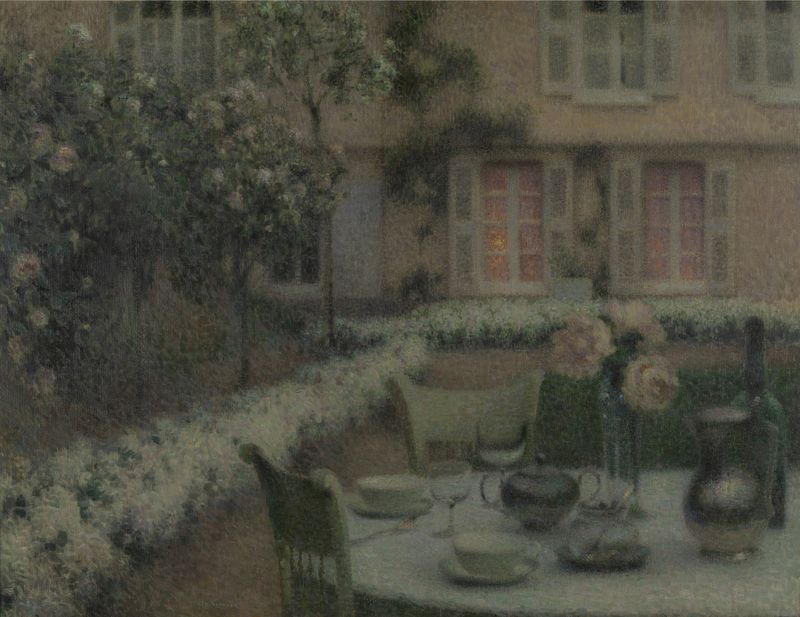
The Table in the White Garden at Gerberoy
Henri Le Sidaner





