Cliffs at Etretat — History & Facts
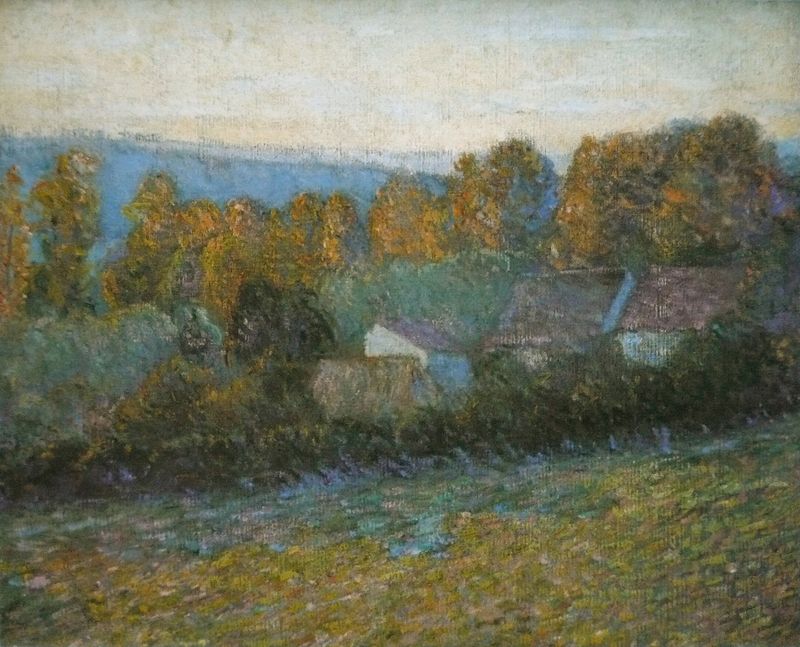
Is this a mirror — or a memory? In Cliffs at Etretat, the viewer stands at the precipice of nature’s grandeur, where water and sky converge in a moment that feels both timeless and ephemeral. Focus on the sweeping curves of the cliffs that emerge from the canvas, their striking white faces illuminated by the soft, golden light of dusk. As your eyes traverse the scene, notice the rich cerulean hues of the ocean contrasting with the warm earth tones of the beach below. The brushstrokes are fluid, capturing the very essence of wind and wave, evoking a sense of movement and breath.
Each stroke seems to echo the roar of the surf and the whispers of the breeze that caress the landscape. Delve deeper into the painting's emotional layers, where the cliffs stand proudly against the relentless tides, symbolizing resilience in the face of time's passage. The interplay of light and shadow across the rugged surfaces suggests not just a geographical formation, but a narrative of nature's constant dance—the struggle and harmony that exists within it. Reflect on the quietude of the scene, which allows space for contemplation and invites the viewer to consider their own relationship with the natural world. Created when the artist was deeply engaged with the Impressionist movement, this piece reflects a period of growing admiration for outdoor subjects, painted en plein air.
During her time in France, Cabot Perry sought to capture the transient beauty of landscapes, as the art world evolved towards a more expressive and direct representation of nature. This work embodies her commitment to show not just what is seen, but what is felt — the awe-inspiring connection between humanity and the environment.