Coast of Wales — History & Facts
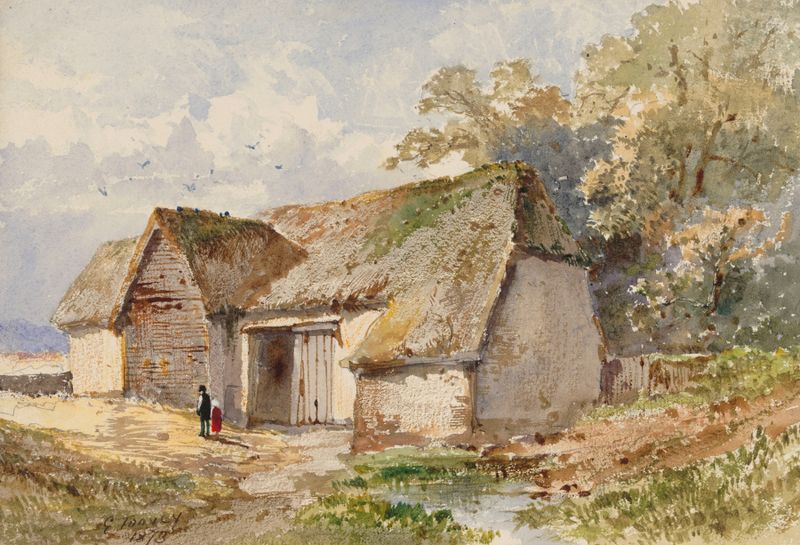
Who listens when art speaks of silence? In the stillness of Coast of Wales, the landscape hums with a tension that echoes the madness of nature’s fury and tranquility. Focus on the vibrant greens and blues that dominate the canvas, drawing your gaze first to the tumultuous waves crashing against the rugged cliffs. Each brushstroke seems to pulse with energy, capturing the brisk winds that sweep across the coastline. Notice how the light dances on the water’s surface, creating a shimmering contrast against the dark, brooding sky — a reminder of nature’s duality and unpredictability. As you delve deeper, observe the shadows lurking in the alcoves of the rocky shoreline, suggesting hidden depths and untold stories.
The starkness of the cliffs evokes a sense of isolation, yet the crashing waves hint at a chaotic beauty, portraying the thin line between madness and serenity. This landscape is not just a depiction of a place but a reflection of the artist's inner turmoil, a canvas that speaks of both grandeur and despair. Edwin Toovey created this work during a time when he was navigating the complexities of his artistic identity, likely influenced by the tumultuous art movements of the late 19th century. Living in Wales, he was surrounded by rugged beauty that informed his vision, while the broader world grappled with industrial change.
This atmosphere of transition and conflict undoubtedly crept into his artistry, capturing the raw essence of nature’s wildness and his own introspective journey.