Coastal View — History & Facts
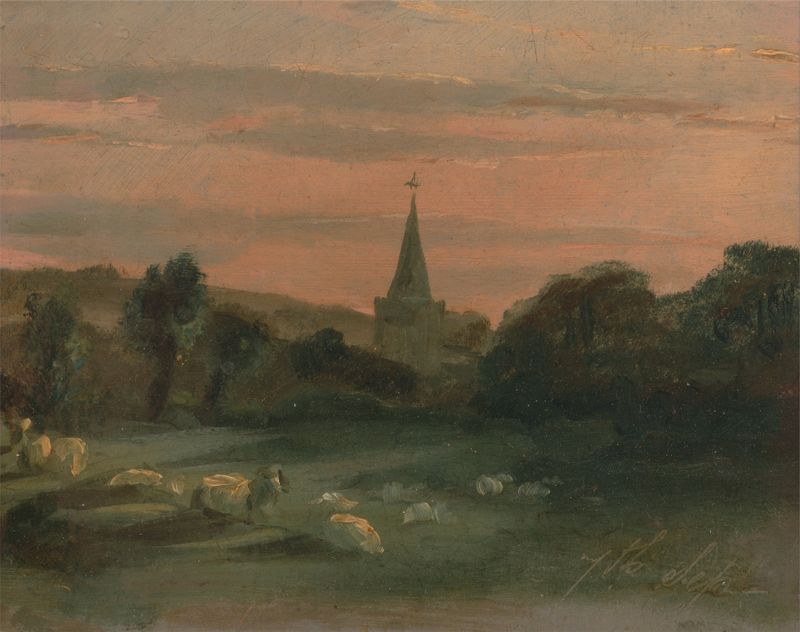
Could a single brushstroke hold eternity? In the fleeting embrace of nature, every hue captures the essence of transformation, whispering stories of time and tides. Look to the left at the gentle curve of the shoreline, where soft, muted greens transition into the deep blues of the ocean. The sky spills into the water, blending seamlessly, as the artist’s delicate strokes evoke a sense of tranquility. Notice how the light plays on the waves, illuminating the texture of the canvas and creating a sense of movement that invites the viewer to linger.
The composition draws the eye effortlessly across the scene, yet it feels both expansive and intimate. Hidden within the tranquil landscape are contrasts of solidity and transience. The rugged cliffs stand resolute, yet they are softened by the ephemeral touch of clouds drifting above. The interplay of light and shadow speaks to the duality of existence—how beauty and impermanence coexist in nature.
Each detail, from the scattered pebbles to the distant sails, suggests a narrative of change, echoing the artist's own journey through landscapes both literal and metaphorical. Thomas Churchyard painted this work between 1818 and 1865, amidst a burgeoning appreciation for landscape painting in Britain. While nature inspired him, this period also saw the rise of Romanticism, emphasizing emotion and individual experience. This artwork reflects not just a visual representation of the coast but also the transformative power of the natural world on the human spirit, marking a significant moment in the evolution of landscape art.