Composition — History & Facts
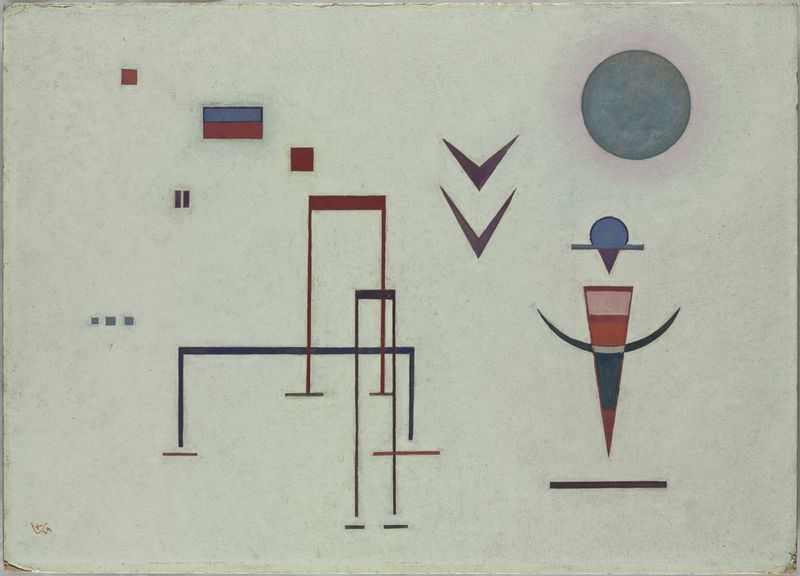
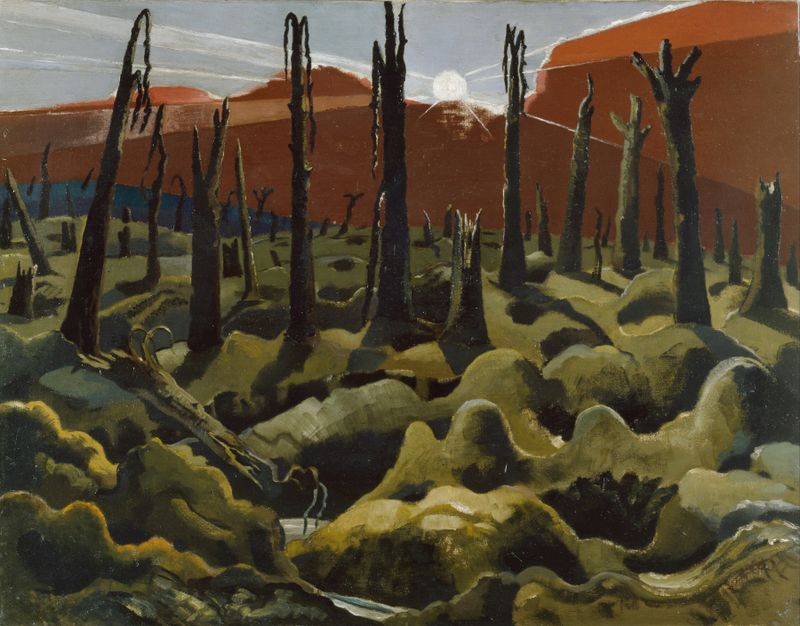
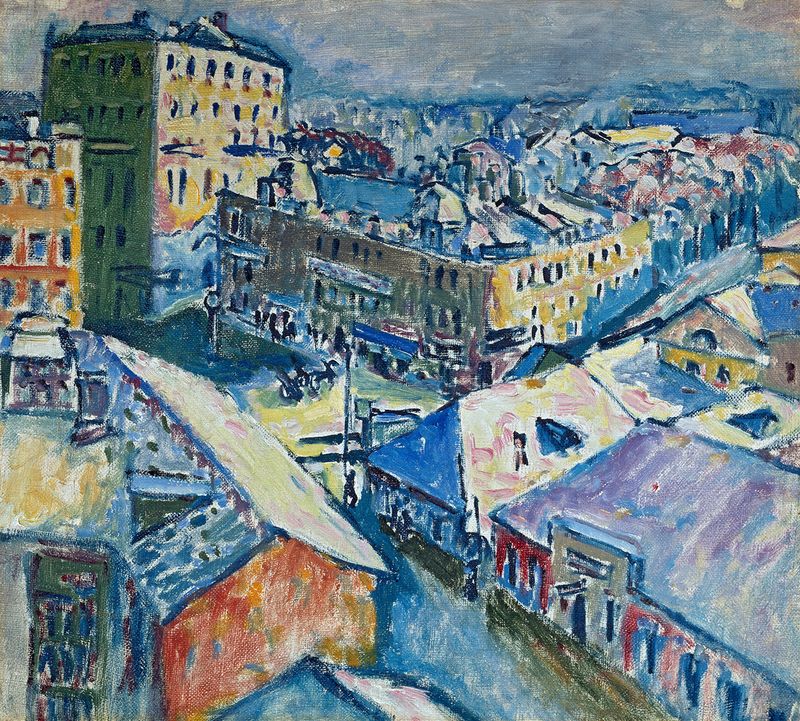
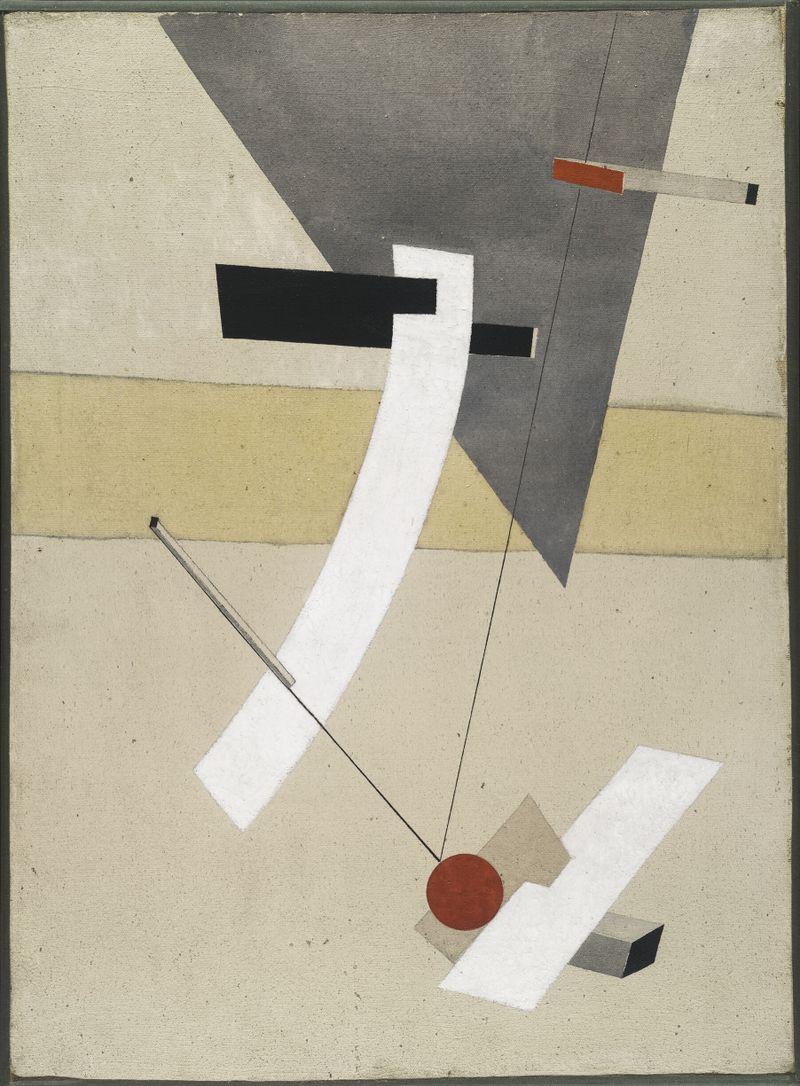
Could beauty survive in a century of chaos? In a world often overshadowed by turmoil, the act of creation itself becomes a sanctuary, a rebellion against despair. Focus on the bold, geometric shapes that dominate the canvas, drawing your eye into a vortex of color and form. The interplay between vibrant reds and serene blues creates an electrifying tension, while the sharp angles and soft curves seem to dance across the surface. Note how the artist’s masterful use of negative space invites contemplation, allowing emotions to ebb and flow like the tides, urging the viewer to linger longer and explore the depths of the composition. As you delve deeper, consider the contrasts presented: the harmony of colors against the backdrop of chaos, the rigidity of structure juxtaposed with the fluidity of emotion.
Each stroke tells a story, revealing layers of intention—an exploration of balance where dissonance and beauty coexist. The absence of figures invites personal interpretation, making it a mirror reflecting our own struggles and triumphs in defining what creation means amidst uncertainty. D.R. Grover painted this work in the latter half of the 20th century, a time when art was grappling with modernity and the fallout of global conflicts.
This period found the artist in an experimental phase, seeking to redefine traditional forms and explore new expressions of identity. The art world was undergoing significant shifts, with abstraction gaining momentum, and Grover’s engagement with this movement highlights the era's urgent need for self-discovery through artistic expression.