Composition with Turbine — History & Facts
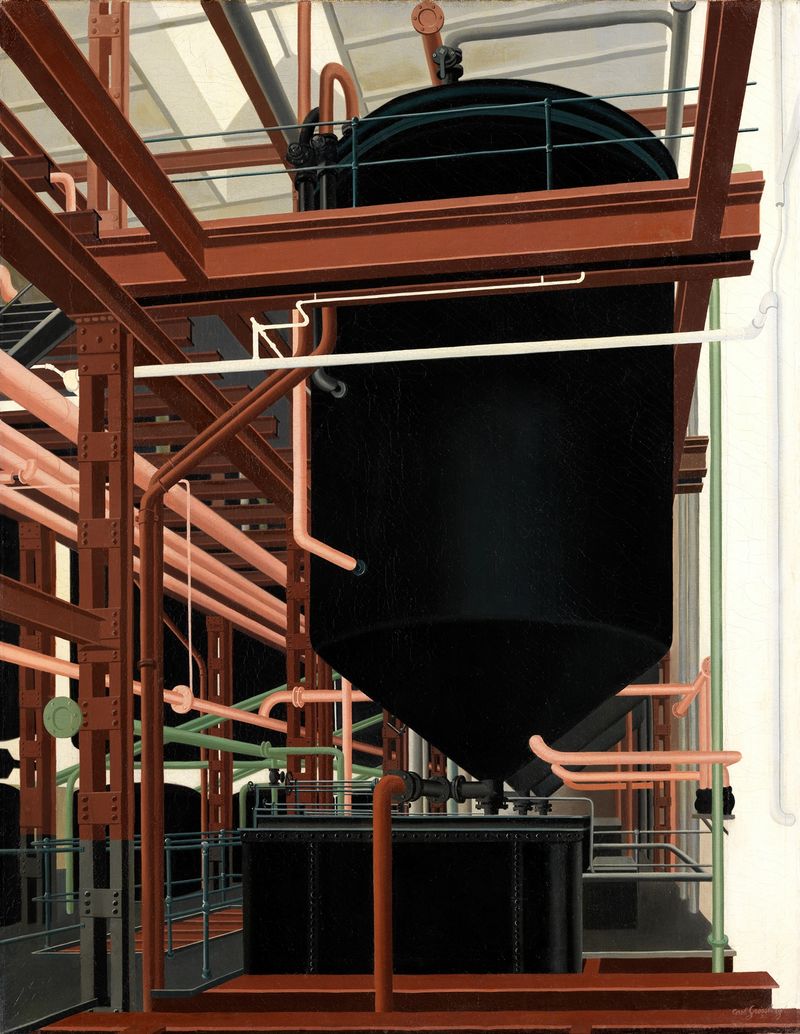
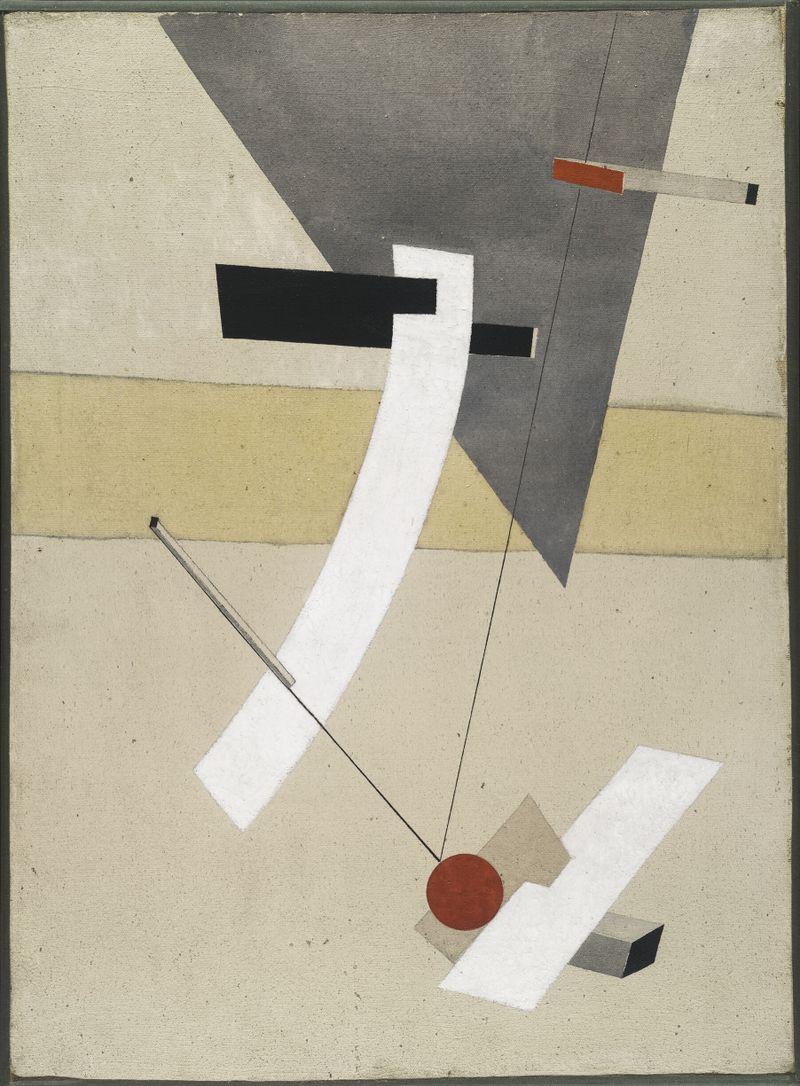
In Composition with Turbine, transformation emerges through intricate forms, juxtaposed against a backdrop of mechanization—a reflection of the trials woven into the fabric of progress. Focus on the central turbine, its sharp edges and metallic sheen drawing the gaze. Notice how the artist employs a muted palette, allowing hints of gold to glimmer within the harshness, imbuing the machine with an unexpected elegance. The composition's angular lines create a sense of movement, echoing the relentless energy of the industrial age, while the careful balance of light and shadow evokes a tension between beauty and brutality. Delve into the subtle contrasts within the piece—the turbine symbolizes technological advancement, yet it also hints at the human cost of such progression.
The gold accents speak to the allure of innovation, yet also serve as a reminder of the beauty that can emerge from pain. This duality invites viewers to ponder the complexities of transformation, where the gleaming surface belies a deeper, more tumultuous reality. In 1929, Grossberg created this artwork during a time of rapid industrial change, both in his personal life and the art world. Amidst the mounting tensions of the Great Depression, artists sought new ways to express the shifting dynamics of society.
Grossberg, influenced by the burgeoning modernist movement, used this piece to explore the beauty of machinery while addressing the shadows of the human experience.