Convent of Saint Agnes in Utrecht — History & Facts
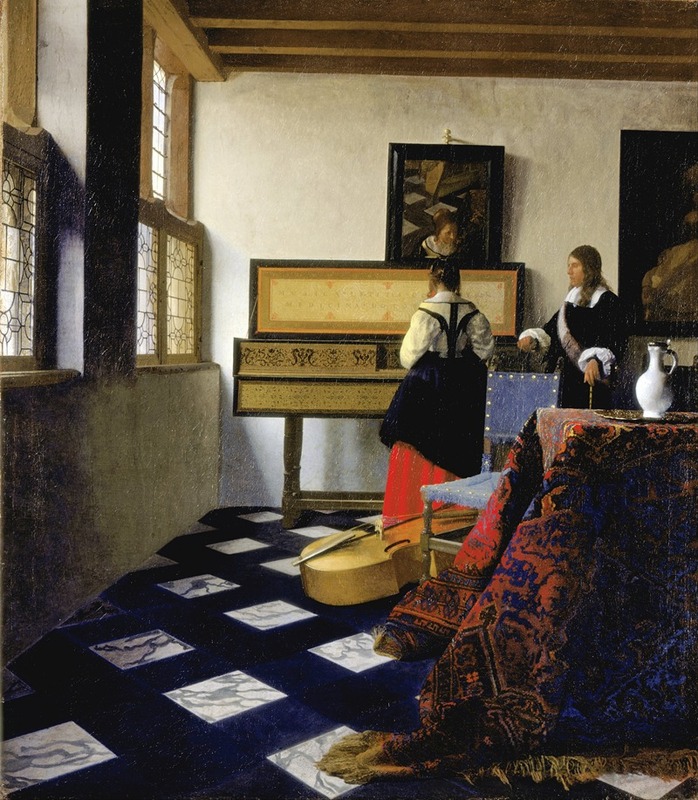
Can paint confess what words never could? In the muted tones and quiet spaces of the Convent of Saint Agnes in Utrecht, silence is not merely the absence of sound but a powerful presence that invites contemplation. Focus first on the delicate play of light filtering through the soft, arched windows, illuminating the serene interior. The warm hues of ochre and beige wash over the simple yet elegant architecture, drawing your gaze toward the intricate details of the wooden beams above. Notice how the light dances along the surfaces, creating a sense of warmth that contrasts with the stillness of the space, inviting viewers to pause and absorb the atmosphere. The artwork captures a moment that feels suspended in time, a sanctuary for reflection.
The absence of figures amplifies this sensation, suggesting that the silence here speaks volumes. Each brushstroke evokes a sense of introspection, as the viewer may sense the lingering echoes of whispered prayers or the soft rustle of fabric against the stone floor. This juxtaposition of silence and the structured beauty of the convent resonates deeply, implying a dialogue between the spirit of the place and the observer. Pieter des Ruelles painted this work between 1650 and 1658 in Utrecht, a period marked by a shift towards a more personal and introspective approach in Dutch art.
Living during the Dutch Golden Age, he experienced both the flourishing of artistic expression and the increasing demand for private devotional works. The convent itself stands as a symbol of the spiritual and artistic pursuits of the era, making this depiction a significant contribution to the genre of architectural painting.