
Cornfield in the summer — History & Facts
Could beauty survive in a century of chaos? In an age where decay seems ever-present, one questions the resilience of nature. Look to the left at the sweeping golden hues of ripened wheat swaying gently in the summer breeze. The sky above bursts with a palette of blues and whites, each brushstroke infused with warmth, while the horizon melts into a blur of lush greens. The composition draws your eye toward the vibrant interplay of light and shadow, revealing a masterful balance of color that breathes life into the scene.
Notice how the artist's technique, particularly in the textural brushwork, captures the movement of the cornfield, transforming a simple landscape into a living canvas that engages the senses. Yet beneath this idyllic surface lies a tension of impermanence. The juxtaposition of vibrant color against the looming shadows hints at the inevitable decay of all things beautiful. The delicate balance of life and deterioration is palpable; each blade of wheat appears to speak of ephemeral moments, destined to wither under the weight of time.
The work invites contemplation on the fragile nature of existence — as beauty flourishes, so too does the shadow of decline. In creating this piece, Peter Burnitz was influenced by the tumultuous art movements of his time, navigating between Romanticism and the emerging modernist sensibilities. Painted during an uncertain era, possibly in the late 19th century, he sought to capture not only the physical landscapes around him but also the shifting human experience. As he explored the themes of nature and its transient beauty, he found himself reflecting the anxieties and aspirations of a world grappling with change.
More Artworks by Peter Burnitz
Browse all →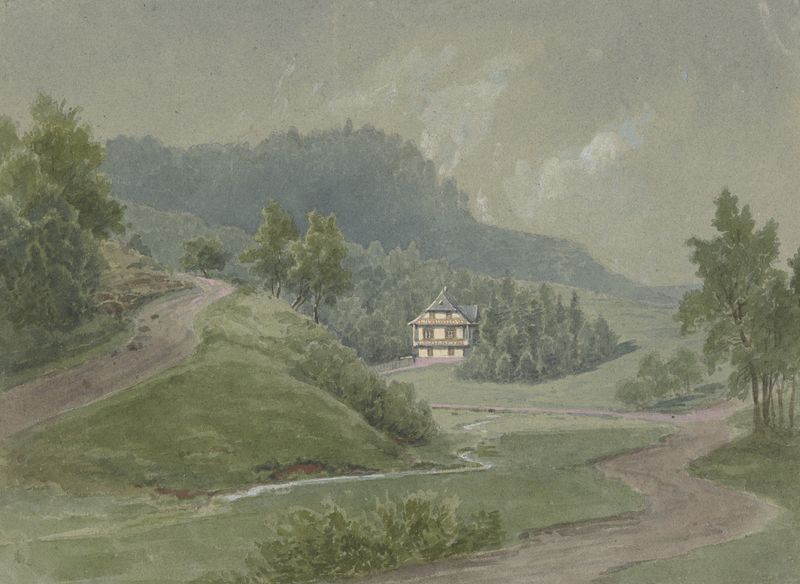
Partie aus dem Odenwald
Peter Burnitz

Seine-Ufer bei Fontainebleau
Peter Burnitz
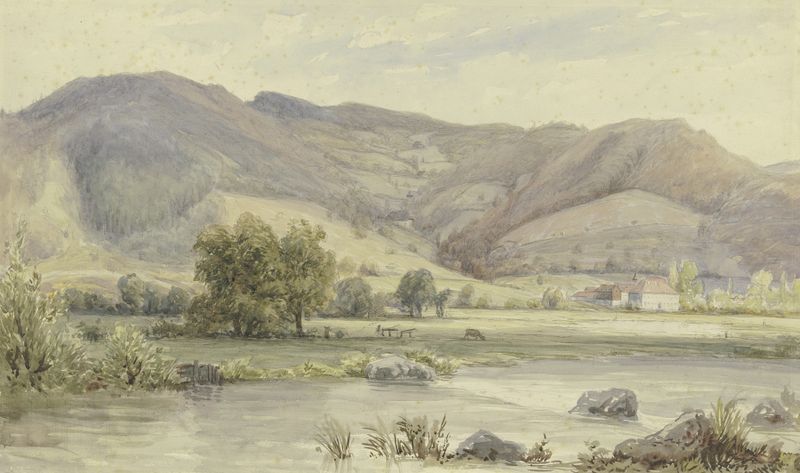
Flusslandschaft mit hohen Bergen
Peter Burnitz
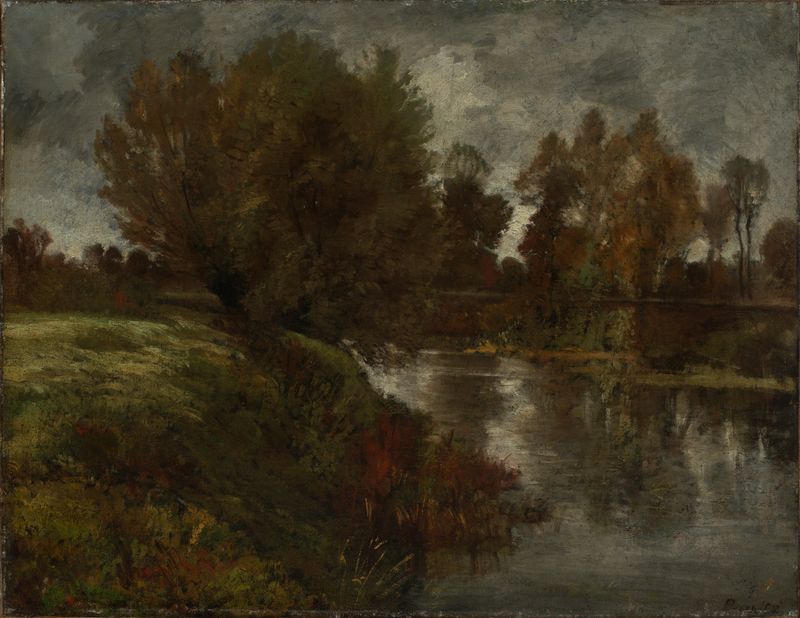
Regenstimmung an der Nidda
Peter Burnitz

Autumn landscape near the Taunus
Peter Burnitz

Suburbs of Segovia
Peter Burnitz
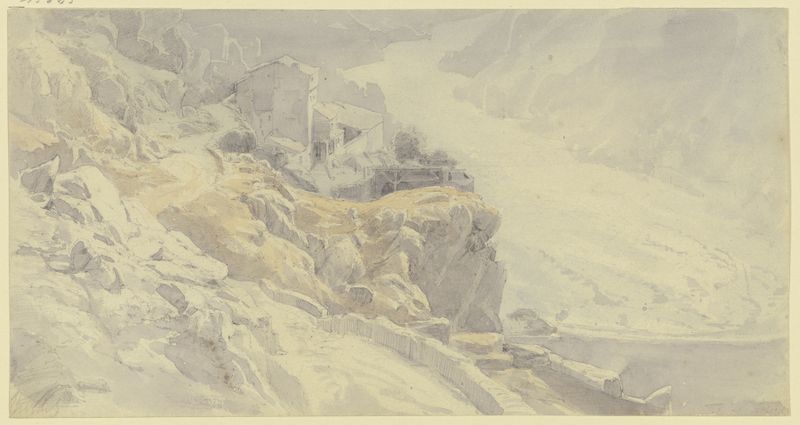
Blick vom Gebirge auf ein Flußtal in Spanien
Peter Burnitz
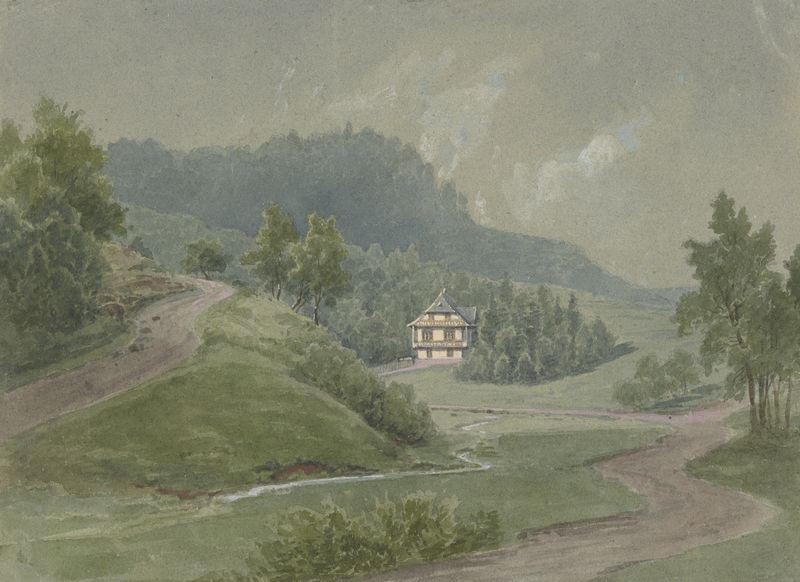
Section of the Odenwald
Peter Burnitz
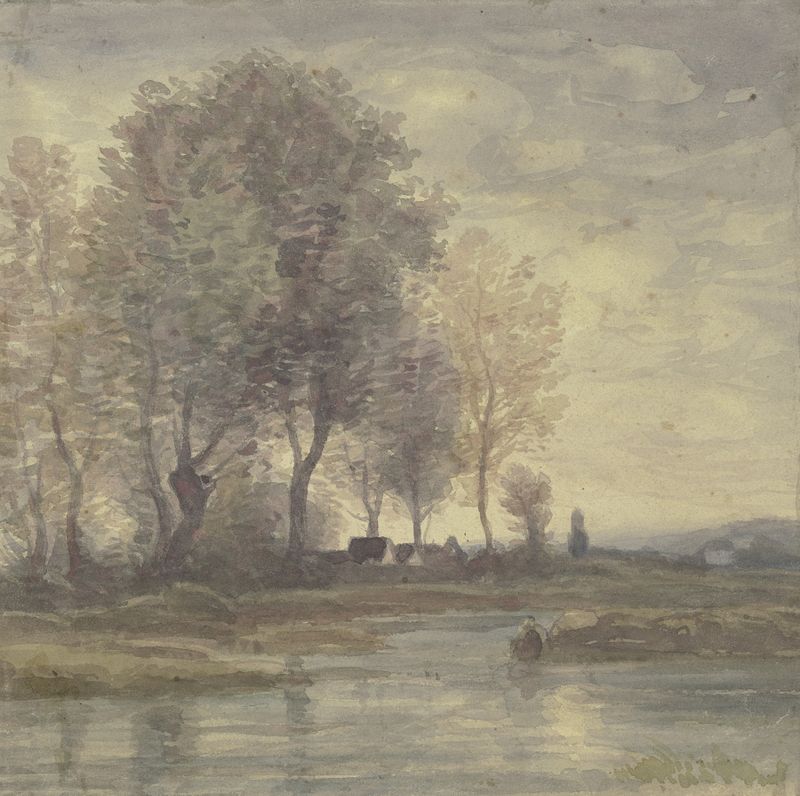
Gewässer mit Bauernhäusern unter hohen Bäumen
Peter Burnitz
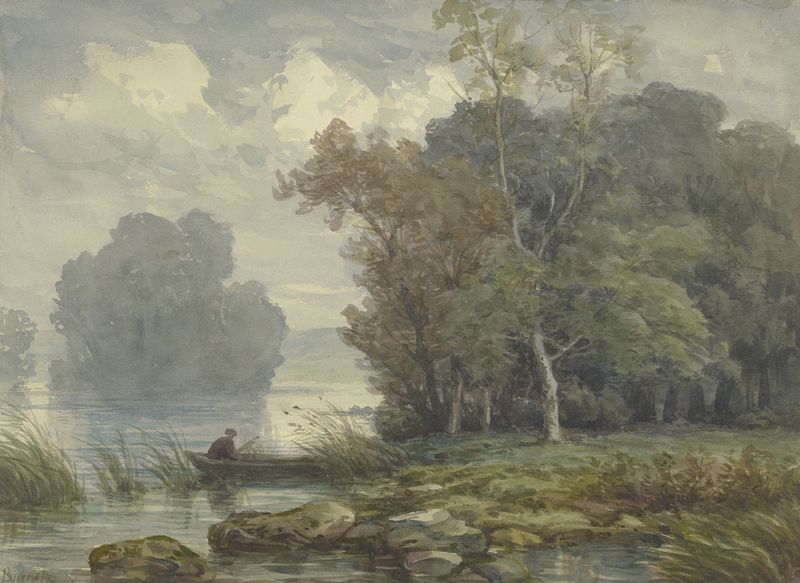
Jäger in einem Kahn an waldigem Ufer
Peter Burnitz





