
Section of the Odenwald — History & Facts
When did color learn to lie? In Section of the Odenwald, vibrant hues deceive the eye, inviting us into a world that transcends mere representation and flirts with the sublime. Look to the left at the sublime interplay of greens and blues, where the dense foliage of the forest seems to breathe with life. Notice how the bold strokes dance across the canvas, each layer revealing a depth that hints at the untamed wilderness. The sky, awash with shifting golden light, casts a warm glow that envelops the scene, while the painter's technique captures the gentle rustle of leaves and the whisper of the wind through the trees. Beneath this seemingly tranquil expanse lies a tension between realism and abstraction.
The brushwork, while suggestive of a landscape, teeters on the edge of imagination, blurring the boundaries between what is seen and what is felt. Small details, such as the dappled light filtering through the branches, evoke a sense of awe, reminding viewers of nature’s grandeur and its elusive qualities. The color palette, with its surprising juxtapositions, challenges our perception, drawing us deeper into a moment that feels both familiar and otherworldly. Peter Burnitz created this piece during a time when the art world was increasingly exploring the boundaries of Impressionism and the emergent Modernist movement, likely in the late 19th century.
Living in the Odenwald region of Germany, he was influenced by the natural beauty surrounding him while navigating the shifting cultural landscape of European art. This painting encapsulates his desire to capture the essence of nature, reflecting not just the world around him, but also the evolving nature of artistic expression.
More Artworks by Peter Burnitz
Browse all →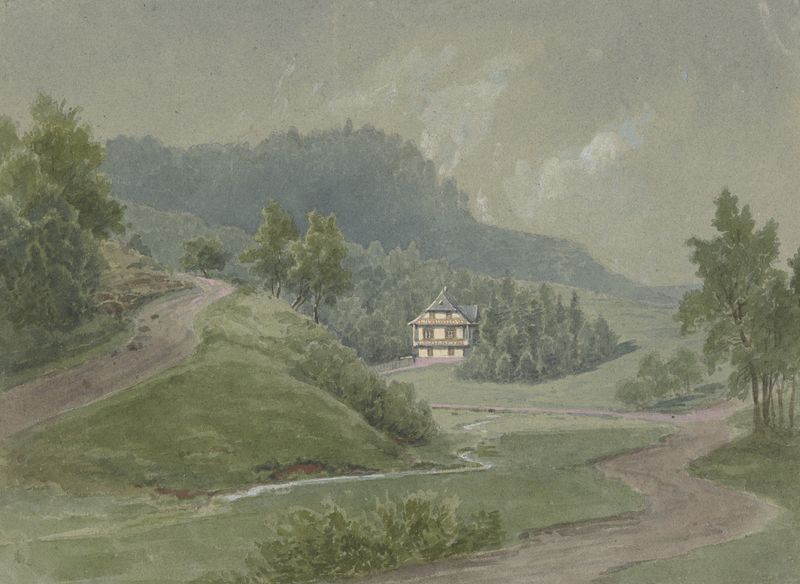
Partie aus dem Odenwald
Peter Burnitz

Seine-Ufer bei Fontainebleau
Peter Burnitz
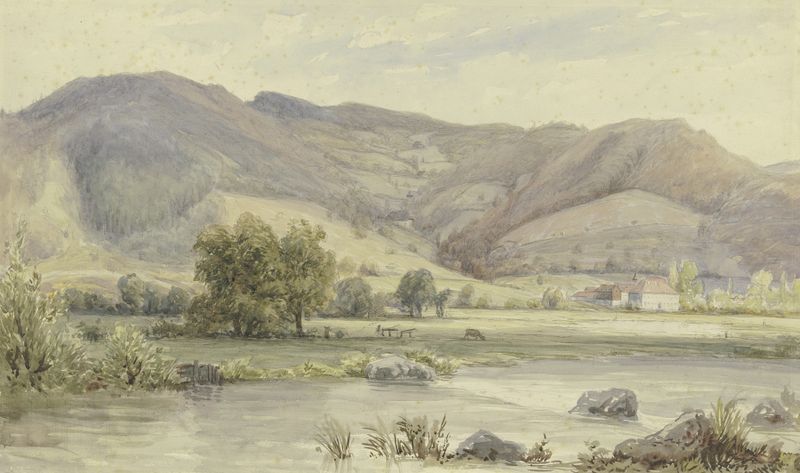
Flusslandschaft mit hohen Bergen
Peter Burnitz
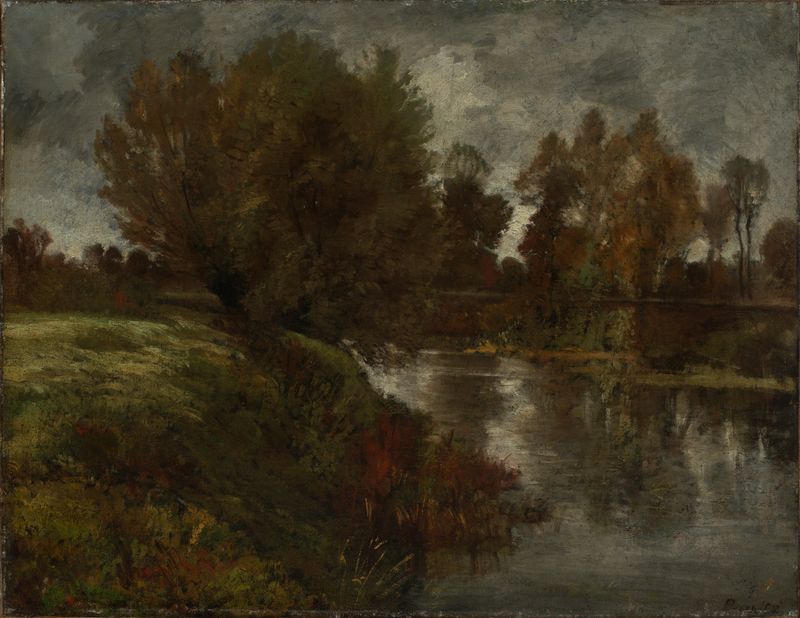
Regenstimmung an der Nidda
Peter Burnitz

Autumn landscape near the Taunus
Peter Burnitz

Suburbs of Segovia
Peter Burnitz
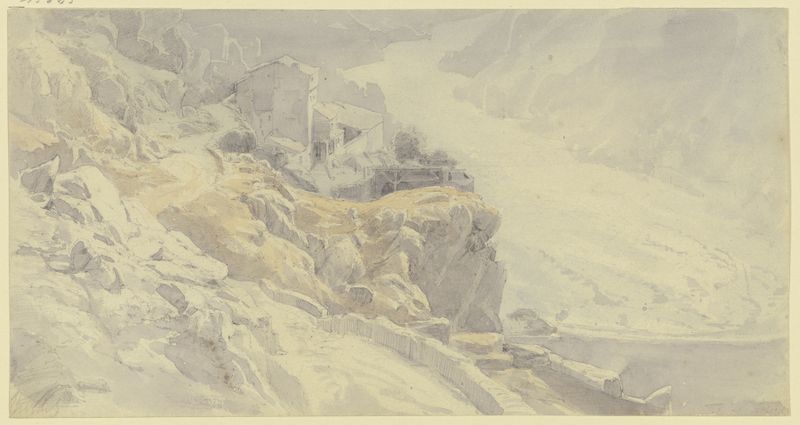
Blick vom Gebirge auf ein Flußtal in Spanien
Peter Burnitz
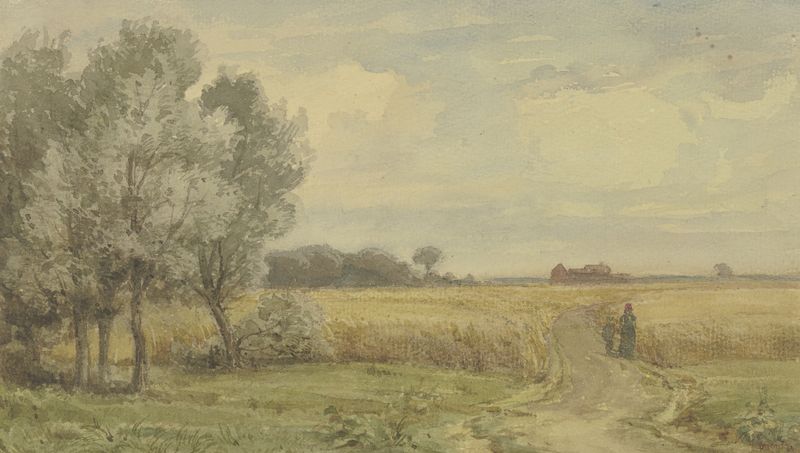
Cornfield in the summer
Peter Burnitz
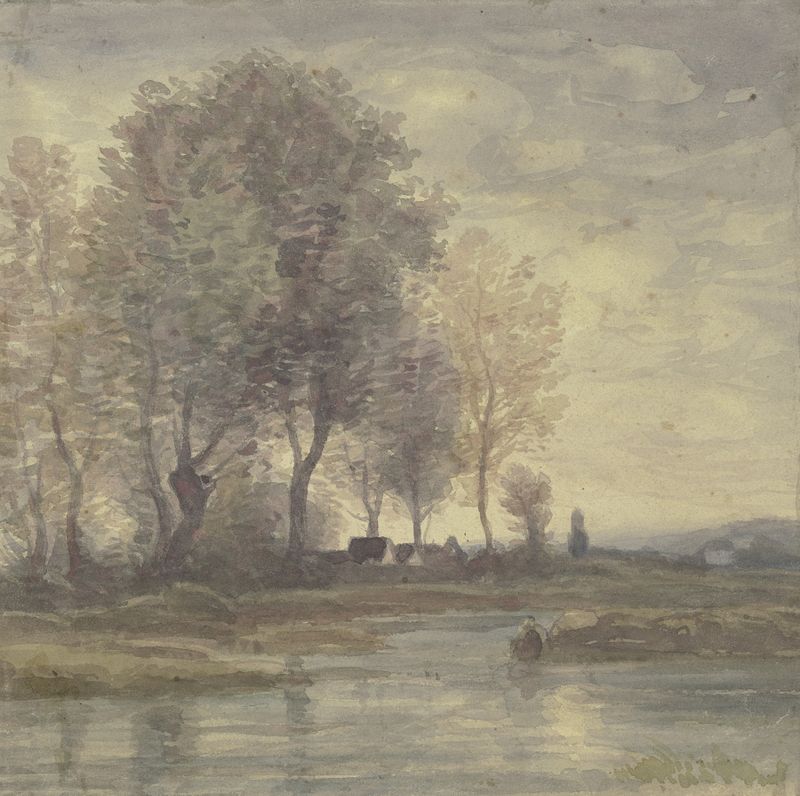
Gewässer mit Bauernhäusern unter hohen Bäumen
Peter Burnitz
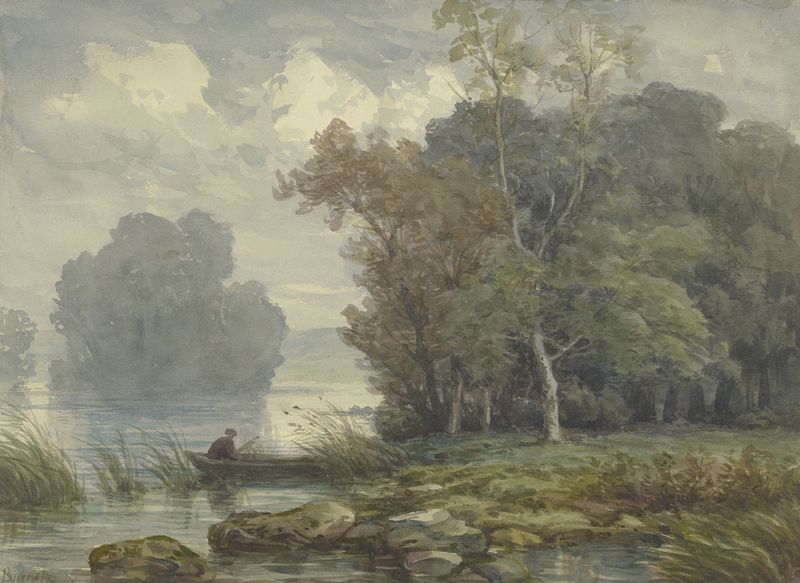
Jäger in einem Kahn an waldigem Ufer
Peter Burnitz





