Cour de Corbeau, Strassburg — History & Facts
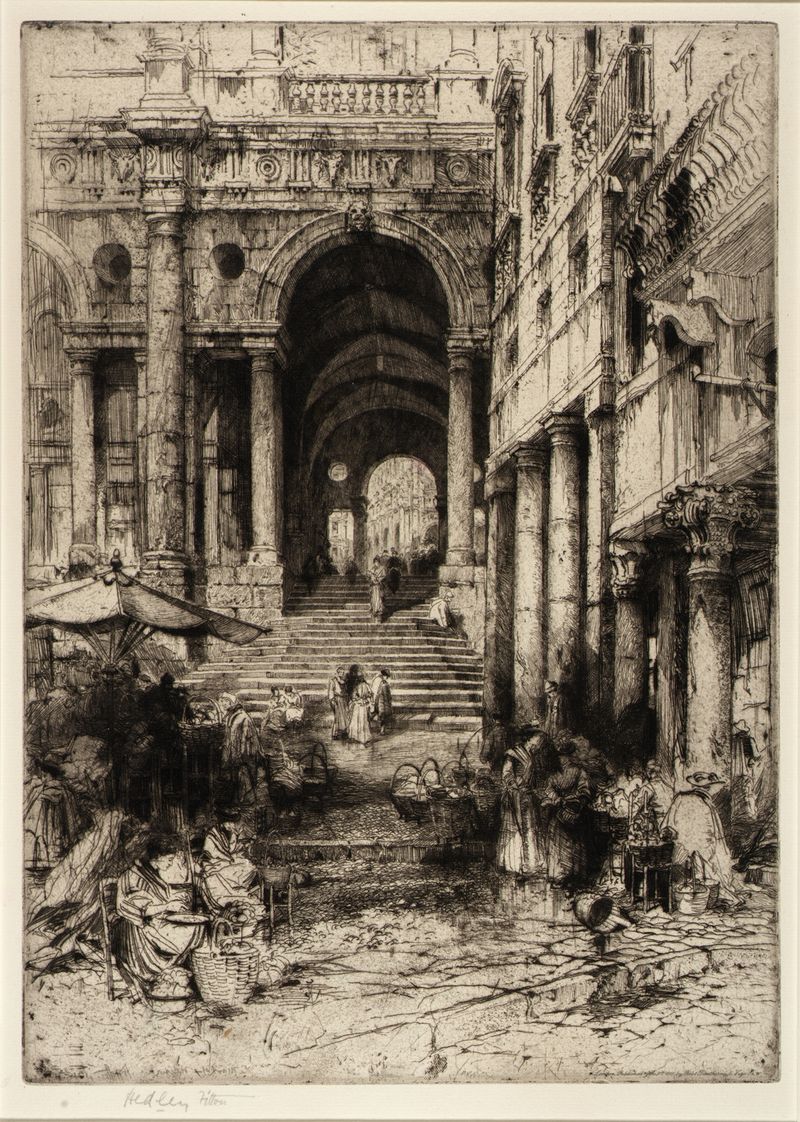
Can beauty exist without sorrow? In Cour de Corbeau, Strassburg, an ethereal ambiance envelops the viewer, inviting contemplation and a sense of longing for something just out of reach. Look to the foreground where delicate, arching branches frame a cobbled courtyard, their intricate patterns leading the eye to the interplay of light and shadow. The soft pastels of the buildings contrast with the deep green of the foliage, creating a harmonious yet melancholic color palette. Notice how the golden sunlight spills gently into the scene, casting an almost dreamlike glow over the textured walls, evoking a wistfulness that resonates deeply. The juxtaposition of nature and architecture speaks to both permanence and transience.
The stately buildings, with their historic significance, stand as silent witnesses to the lives unfolding within their walls, while the swaying branches suggest a fleeting beauty, an ephemeral moment caught in time. This tension between the enduring and the evanescent amplifies the painting’s emotional depth, stirring feelings of yearning for lost moments and unfulfilled desires. Hedley Fitton created this work in 1919, a period marked by the aftermath of World War I. Living in post-war England, the artist sought to capture the beauty of life’s subtleties amidst the shadows of conflict.
The quiet elegance of Strassburg’s courtyard reflects both his personal artistic journey and the broader European yearning for peace and beauty in a world forever altered by turmoil.