Crepuscule — History & Facts
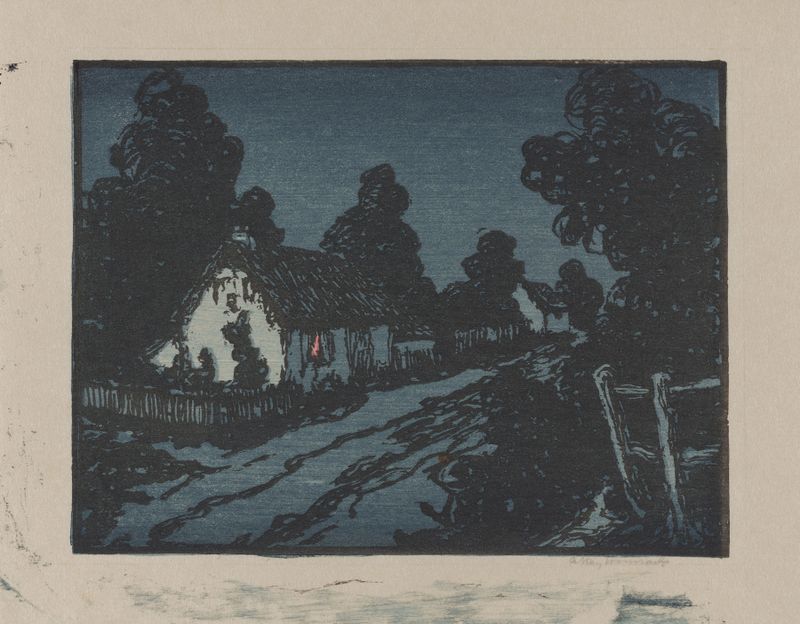
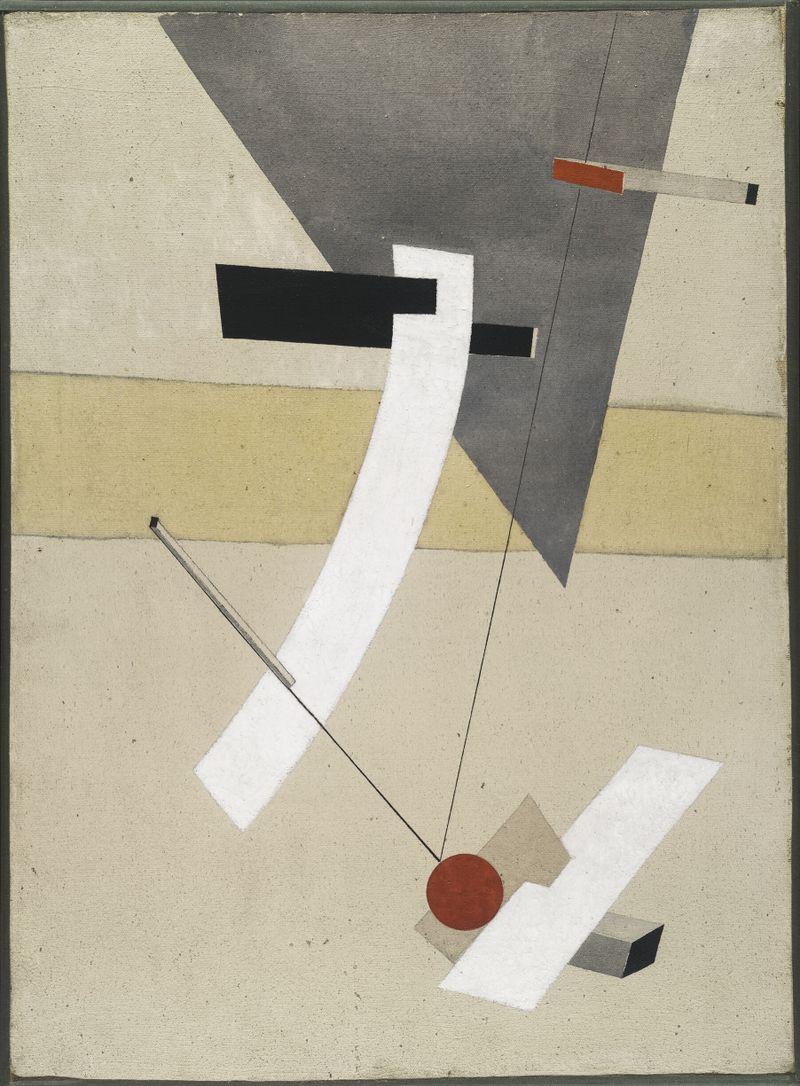
Light dances across the canvas, capturing fleeting moments and emotions that echo through time. Each hue tells a story, a memory refracted through the prism of the artist's vision, creating a tapestry of color and emotion. Look to the center of Crepuscule; the warm tones blend seamlessly into cooler shades, inviting the viewer into a twilight world. The gradient of oranges and purples creates a captivating horizon, while soft brushstrokes suggest the gentle caress of evening light.
Notice how the delicate interplay of light and shadow ground the composition, leading the eye to explore the rich textures that pulse with life. In the background, hints of a landscape emerge, half-obscured, suggesting an enigmatic depth that contrasts with the vivid foreground. The balance of light and dark speaks to the tension between clarity and obscurity; it represents the ephemeral nature of dusk, where day gives way to night. This dance of colors evokes nostalgia—a longing for moments past and the beauty hidden in transitions, inviting a reflection on impermanence itself. Created in 1930, this work emerged during a time when Andrew Kay Womrath was deeply engaged in exploring Modernist themes, blending influences from Impressionism and abstract forms.
The art world was shifting, as artists began to break away from traditional representations, seeking instead to capture the emotional essence of a moment. Womrath, based in the United States, was part of this evolution, merging his personal experiences with broader cultural movements, and Crepuscule stands as a testament to that transformative period in art history.