
Crowd, Charleston — History & Facts
In Crowd, Charleston, Jules Pascin captures a lively scene filled with figures, each engaged in their own activities. The painting is rich in color, with vibrant blues and warm earth tones dominating the palette. The crowd appears animated, suggesting a bustling atmosphere typical of a lively city.
The setting seems to be a public space, possibly a market or a festival, where people gather and interact. The painting showcases Pascin's characteristic style, blending realism with a modernist approach. The brushwork is loose and expressive, allowing for a sense of movement among the figures. The use of light and shadow adds depth, creating a dynamic composition that draws the viewer's eye across the canvas.
The dimensions of the artwork are approximately 100 x 150 cm, making it a substantial piece that commands attention. Jules Pascin was known for his depictions of urban life and the human condition, often portraying crowds and social gatherings. This work reflects his fascination with the vibrancy of city life, particularly in Charleston, a city known for its rich cultural heritage. An interesting fact about this painting is that it was created during a time when Pascin was exploring themes of modernity and the complexities of human interactions.
His ability to convey emotion through color and form makes this piece a notable example of his work.
More Artworks by Jules Pascin
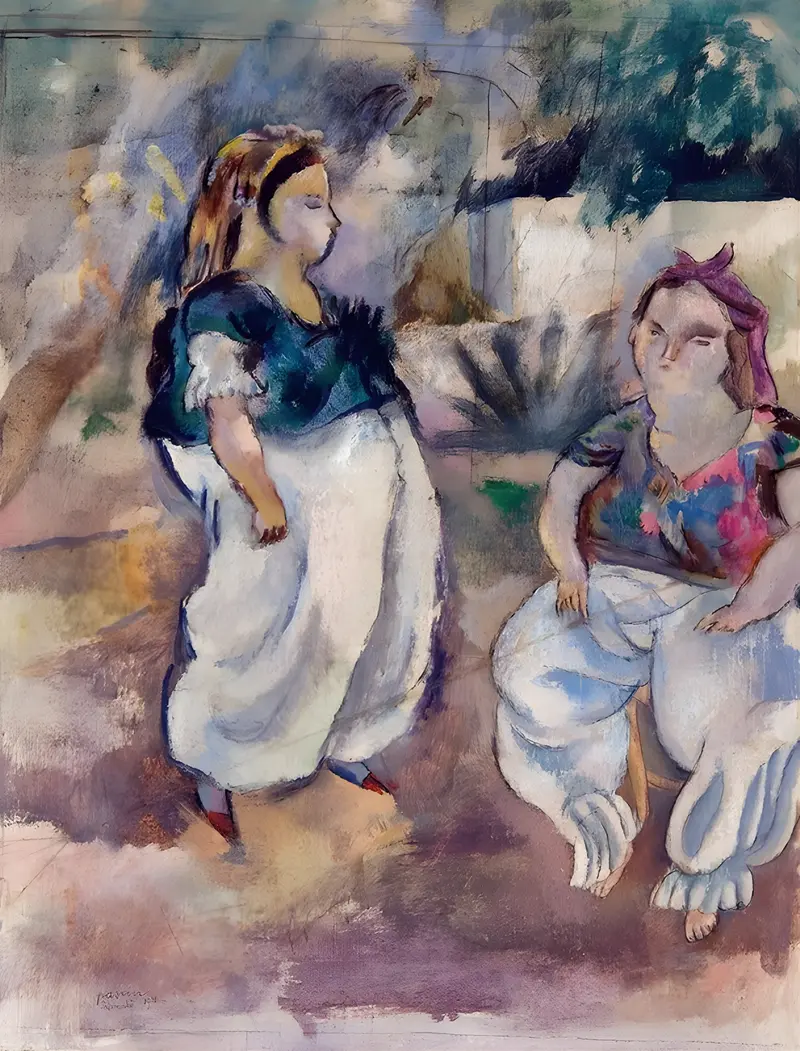
Les Tunisiennes
Jules Pascin
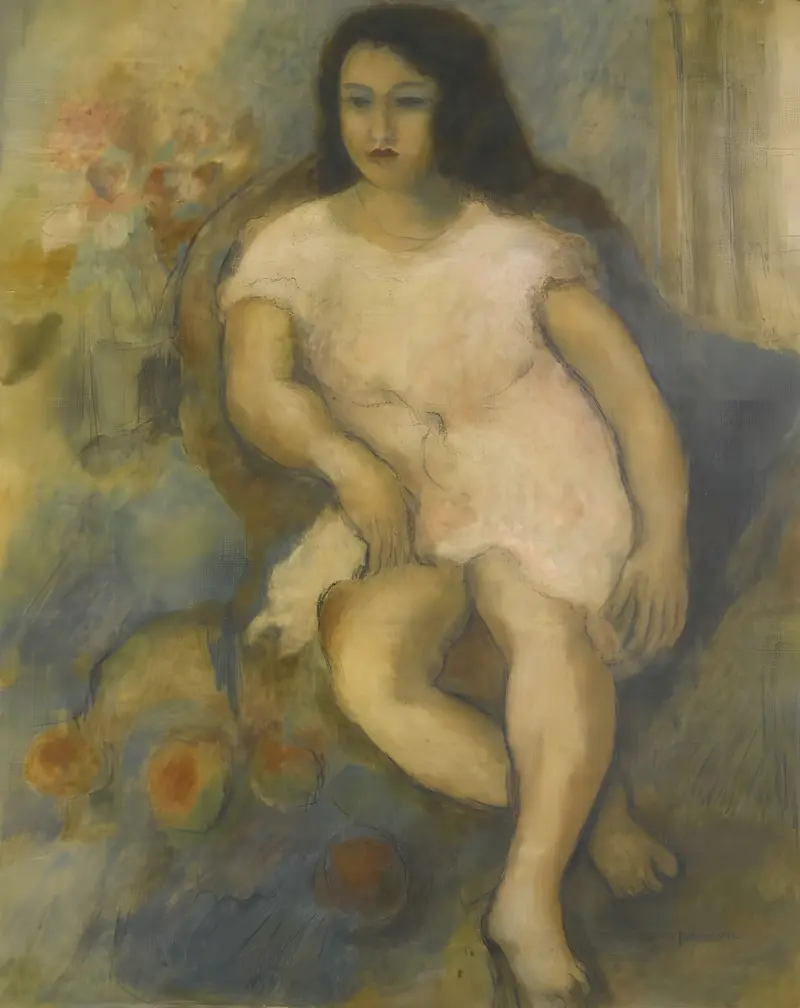
Jeune femme assise
Jules Pascin

Jeune fille en chemise
Jules Pascin

Brune Au Collier Bleu
Jules Pascin
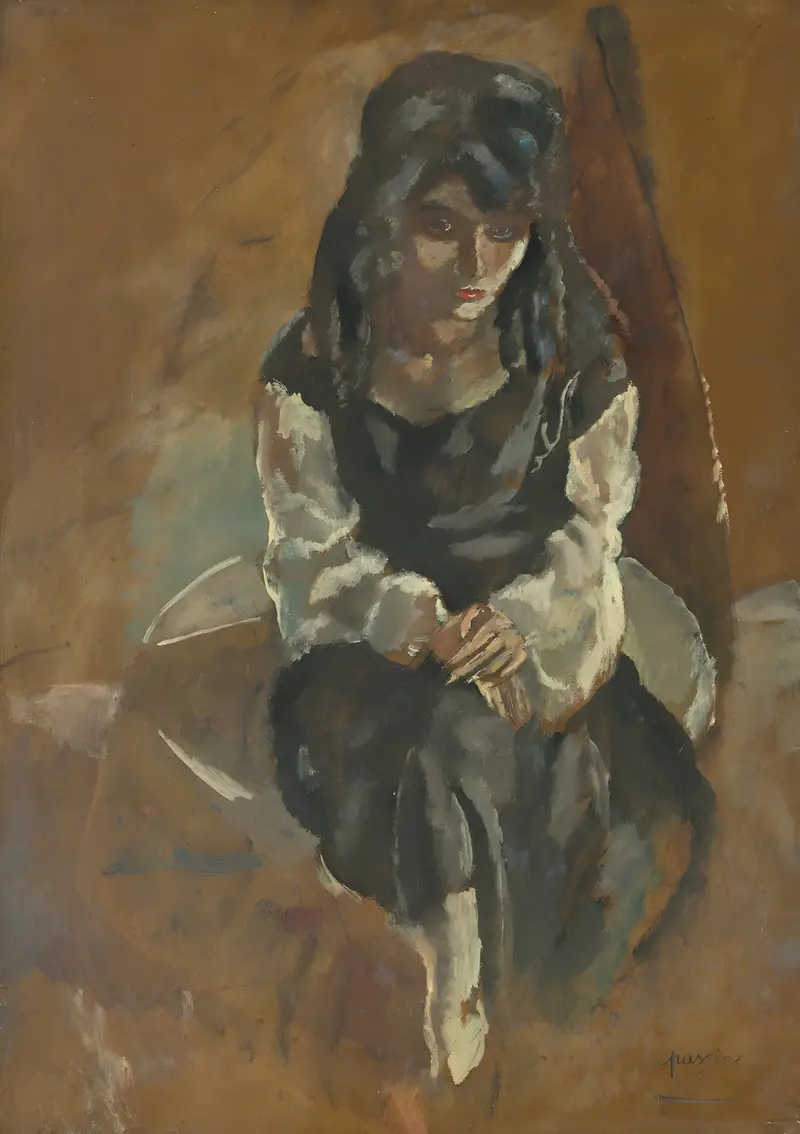
La Princesse persane
Jules Pascin
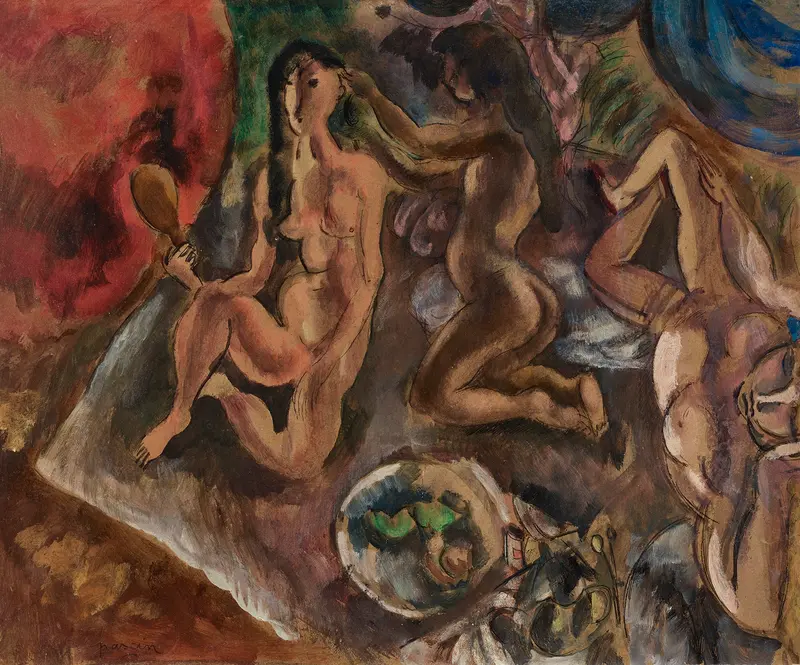
La toilette aux tropiques
Jules Pascin

Le Peintre Et Son Modèle
Jules Pascin
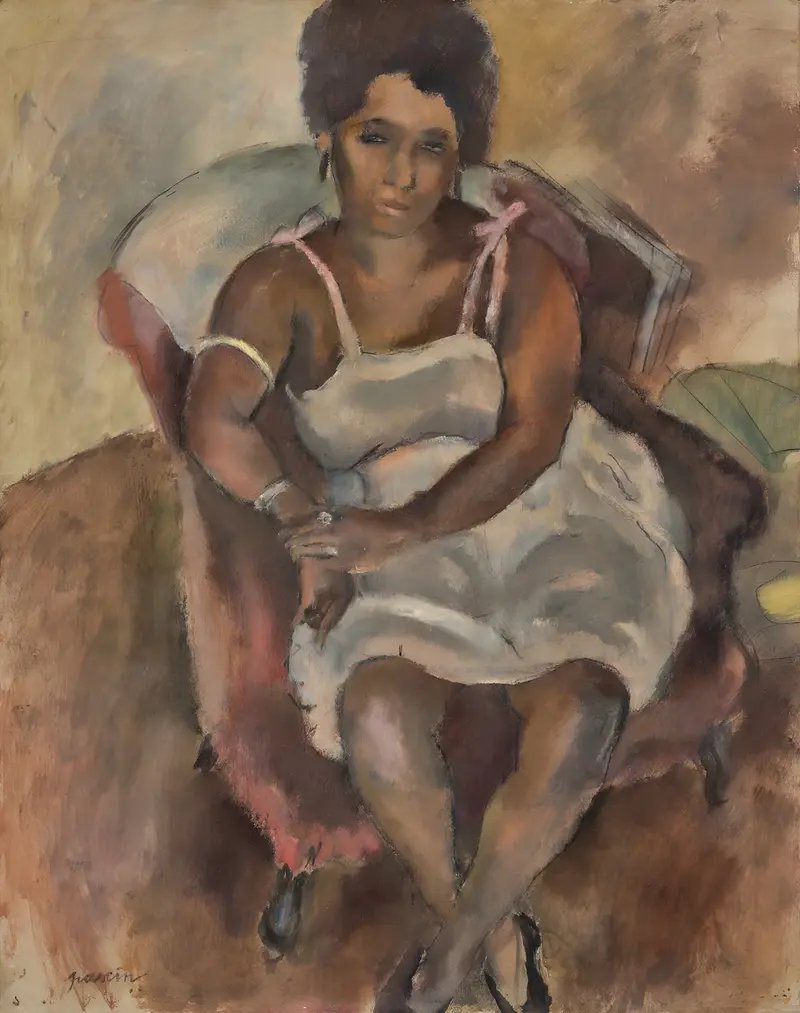
Julie, la Martiniquaise
Jules Pascin
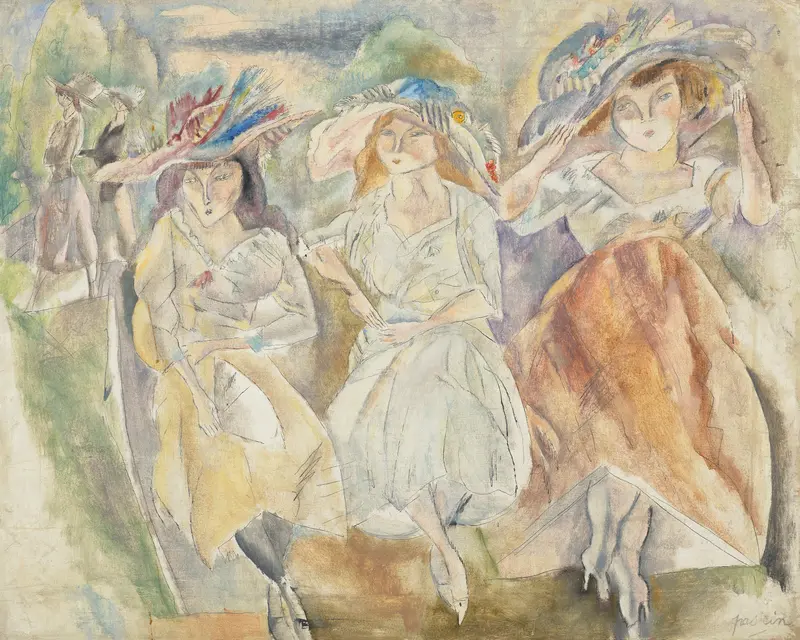
Les grands chapeaux
Jules Pascin
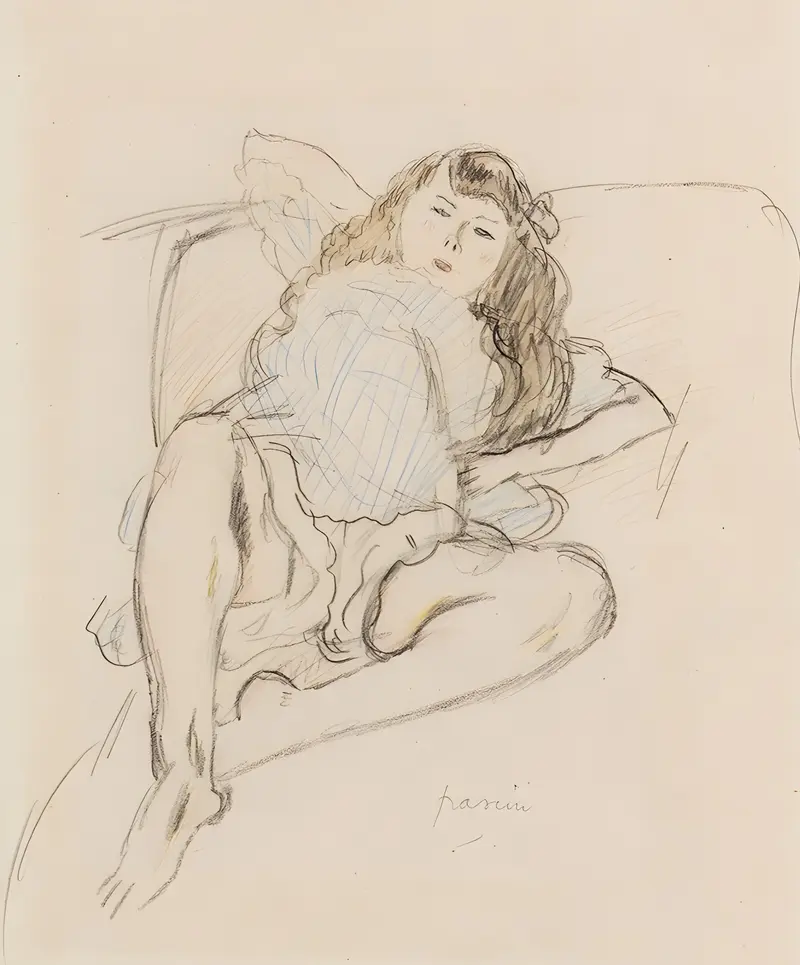
Liegende
Jules Pascin
More Genre Scene Art

Banquet of the Officers of the St George Civic Guard
Frans Hals

Rembrandt and Saskia in the Scene of the Prodigal Son
Rembrandt van Rijn

Bal du moulin de la Galette
Pierre-Auguste Renoir

Quadrille at the Moulin Rouge
Henri de Toulouse-Lautrec

A Burial at Ornans
Gustave Courbet

When Will You Marry?
Paul Gauguin