
Dame de Böesme allant par la Ville — History & Facts
In the 17th century, elegance veiled a profound emptiness, a truth that resonates through the depths of this artwork. The shimmering surfaces and poised figures hint at a world filled with splendor, but beneath lies a sense of longing that invites reflection. Look to the center where the noble figure stands, draped in an elaborate gown that flows gracefully to the cobbled street below. The intricate patterns of her attire interlace with the muted tones of the background, creating a striking contrast.
Notice how the light dances across the fabric, accentuating its richness, yet casts shadows that seem to envelop her figure, suggesting an unseen weight. The compositional balance of her posture against the surrounding architecture draws the viewer’s gaze, revealing both her prominence and her isolation in the bustling cityscape. As you examine the details, observe the vacant expressions of those around her—each face a mirror reflecting the same sense of disconnection. The city, teeming with life, becomes an echo chamber for her solitude.
The artist masterfully contrasts the vibrancy of the urban setting with the stillness of the figure, suggesting that beauty in such a context can often lead to a deeper acknowledgment of what is missing—companionship, understanding, or perhaps fulfillment. Created in 1662, this piece emerges from a time when artists began to explore themes of human emotion and societal roles with greater depth. The artist, whose identity remains unknown, worked during a period marked by both the flourishing of Baroque artistry and shifting social norms across Europe. This painting reflects not only the aesthetic values of the era but also offers a poignant commentary on the human condition amid the glimmer of external beauty.
More Artworks by Unknown Artist
Browse all →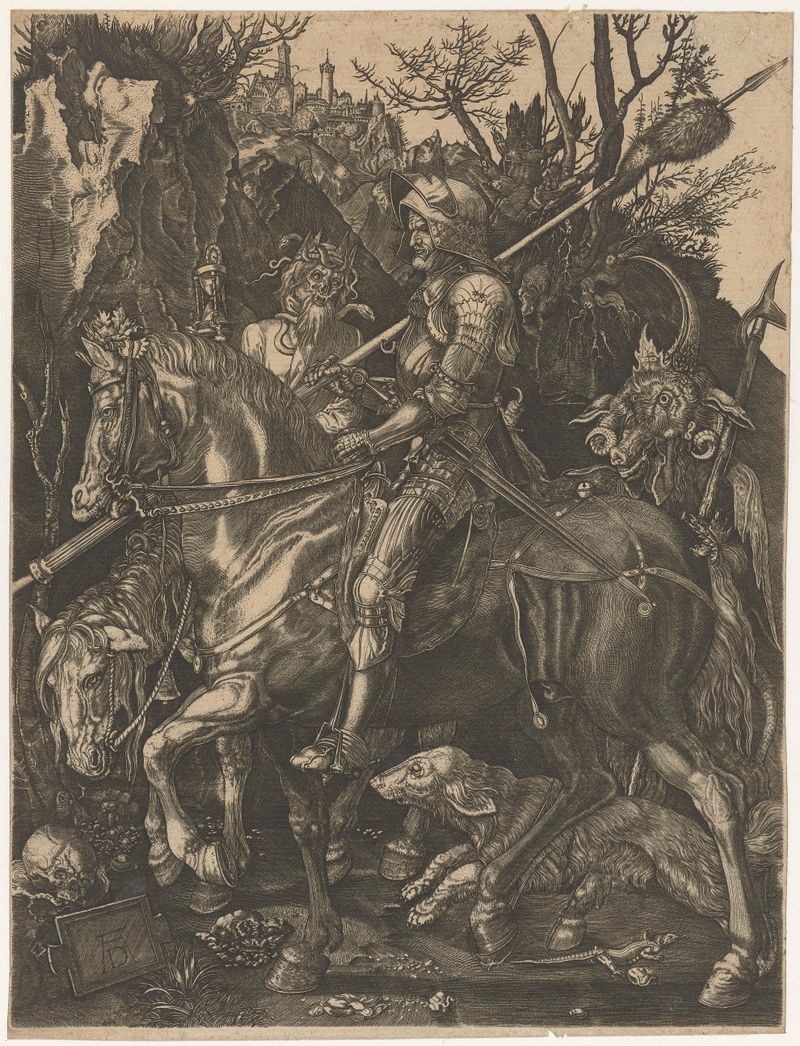
Ridder, Dood en Duivel
Unknown Artist
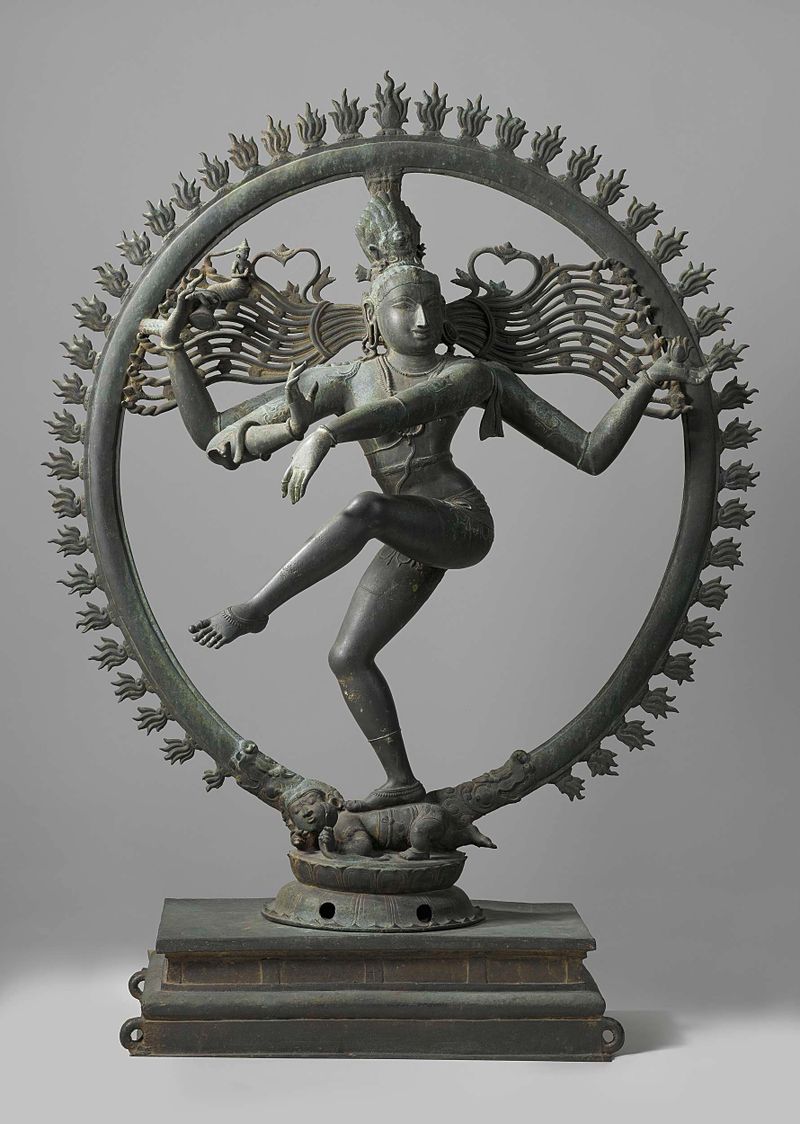
Shiva Nataraja
Unknown Artist
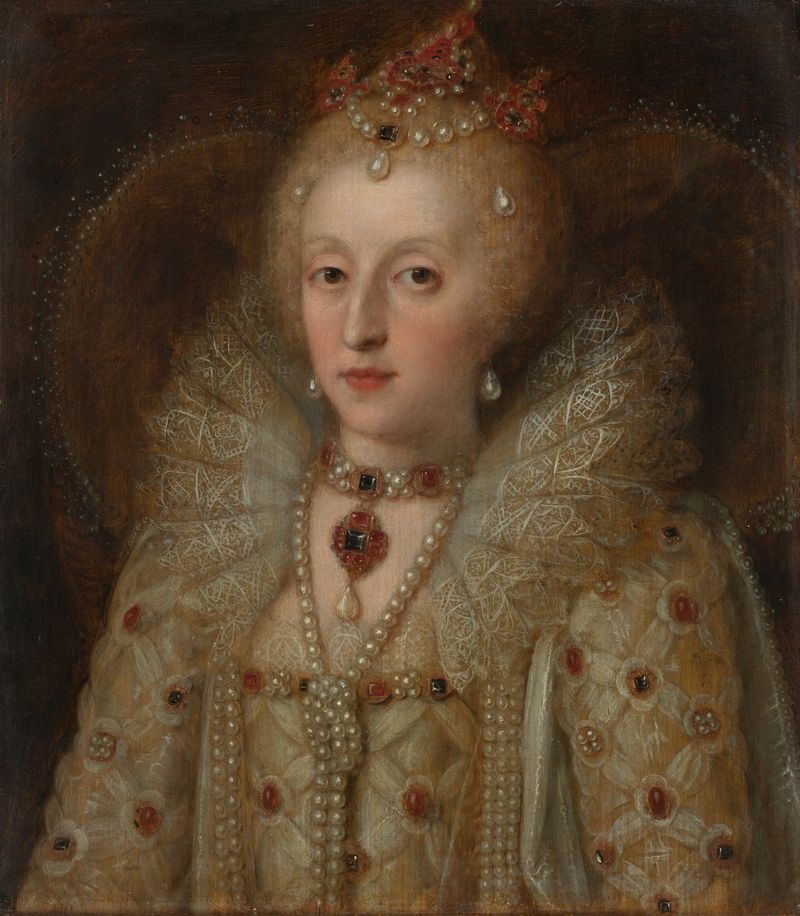
Portrait of Elizabeth I, Queen of England
Unknown Artist
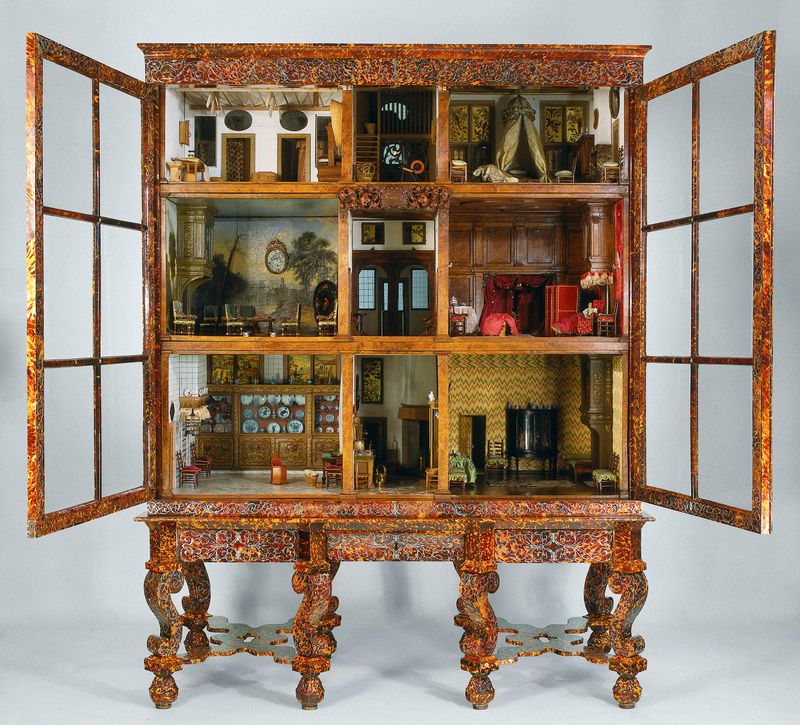
Dolls’ house of Petronella Oortman
Unknown Artist
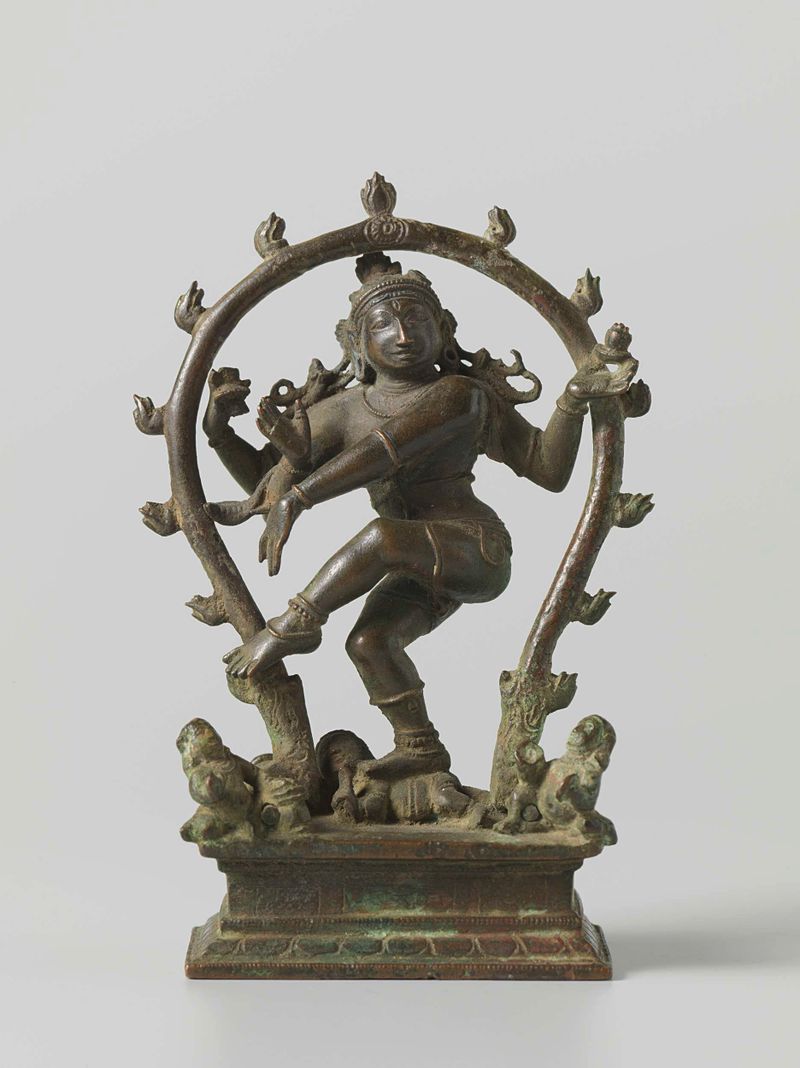
Shiva Nataraja
Unknown Artist

The Tale of Genji
Unknown Artist

The Tale of Genji
Unknown Artist
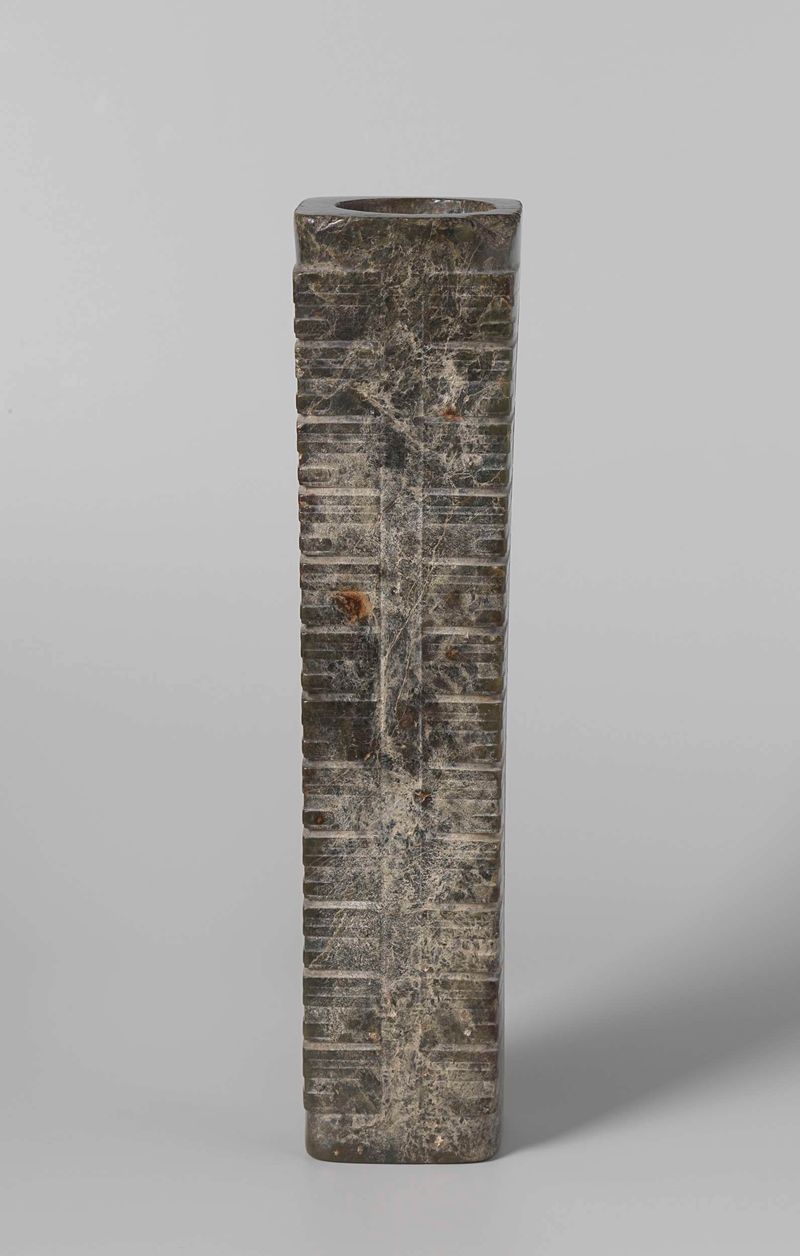
Cong
Unknown Artist
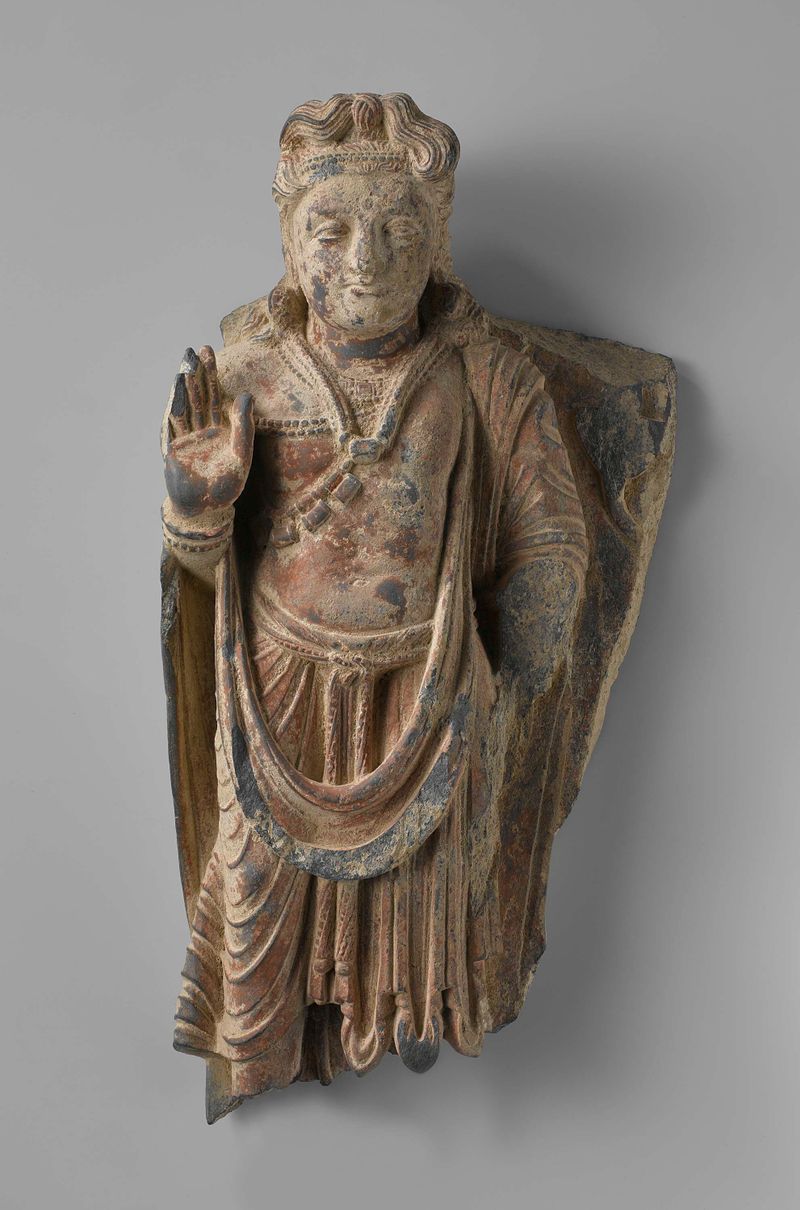
The bodhisattva Maitreya
Unknown Artist
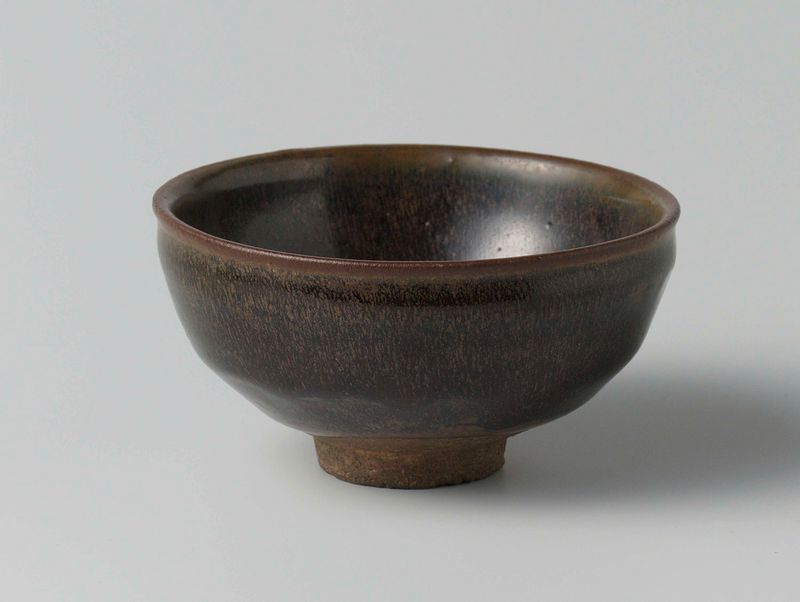
Teabowl with a 'hare's fur' glaze
Unknown Artist





