
Dans les pins — History & Facts
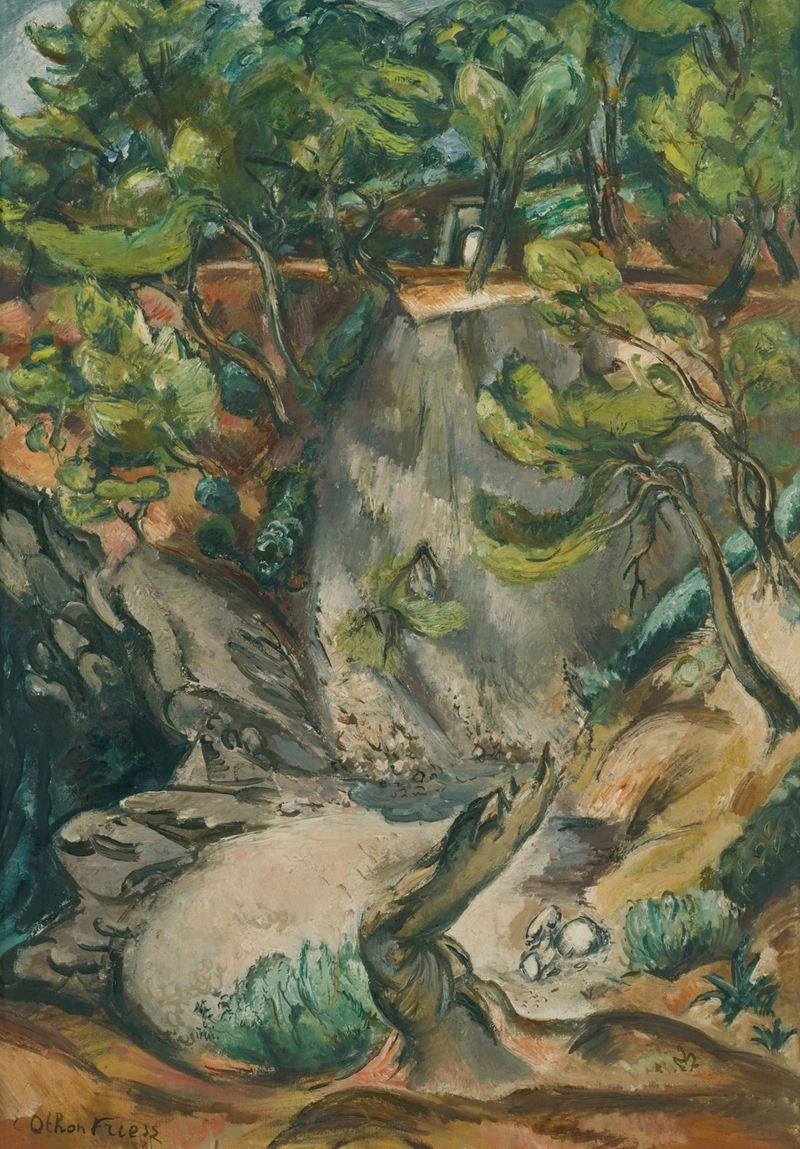
When did color learn to lie? In Dans les pins, hues pulsate with a hypnotic allure, drawing the viewer into an intimate dance between reality and illusion. The vibrant interplay of greens and yellows speaks of an obsession, a yearning to capture the essence of nature while bending it to the artist’s will. Focus on the left side of the canvas, where a canopy of pine needles filters sunlight, casting shimmering patches of light onto the forest floor. The brushwork here is frenetic yet deliberate, inviting you to trace the contours of each tree and the soft undulation of the terrain.
The painting revels in a vivid palette that swings from earthy browns to electric greens, creating a lush, immersive experience. Notice how the dappled light plays tricks on the eye, illuminating parts of the scene while leaving others in shadow—a technique that evokes a sense of mystery. Delve deeper into this world, and you’ll uncover a tension between the organic and the constructed. The sharpness of the colors contrasts with the soft forms of the trees, suggesting a struggle between nature's authenticity and the artist's interpretation.
The vibrant strokes may reflect an obsession not just with nature, but with the very act of creation—the attempt to hold onto a fleeting moment of beauty while acknowledging the inevitable decay that follows. In 1909, Friesz was part of a vibrant artistic community in Paris, where he was influenced by the Fauvism movement. This period saw him exploring color theory and the emotional resonance of shades, amidst a backdrop of artistic experimentation. He sought to transcend mere representation, aiming instead to evoke visceral reactions through his mastery of color, revealing an artist at a crossroads between tradition and modernity.
More Artworks by Emile Othon Friesz
Browse all →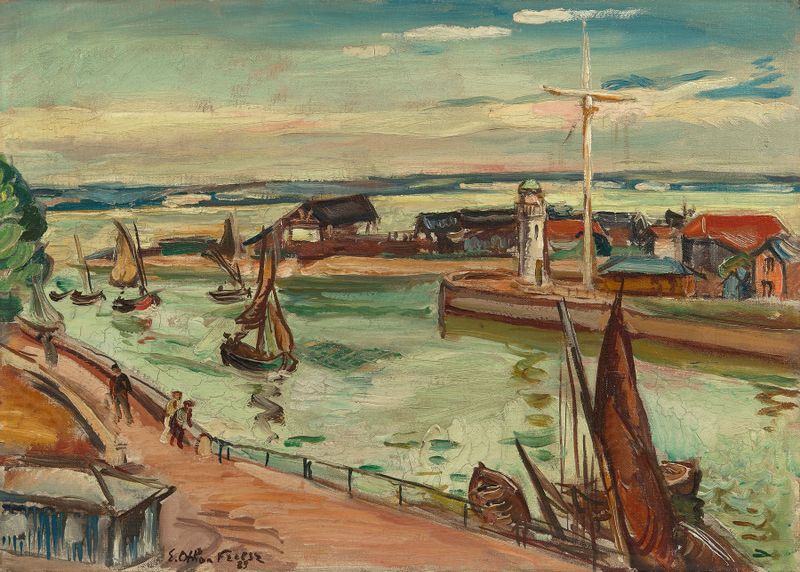
Sortie de port à Honfleur
Emile Othon Friesz
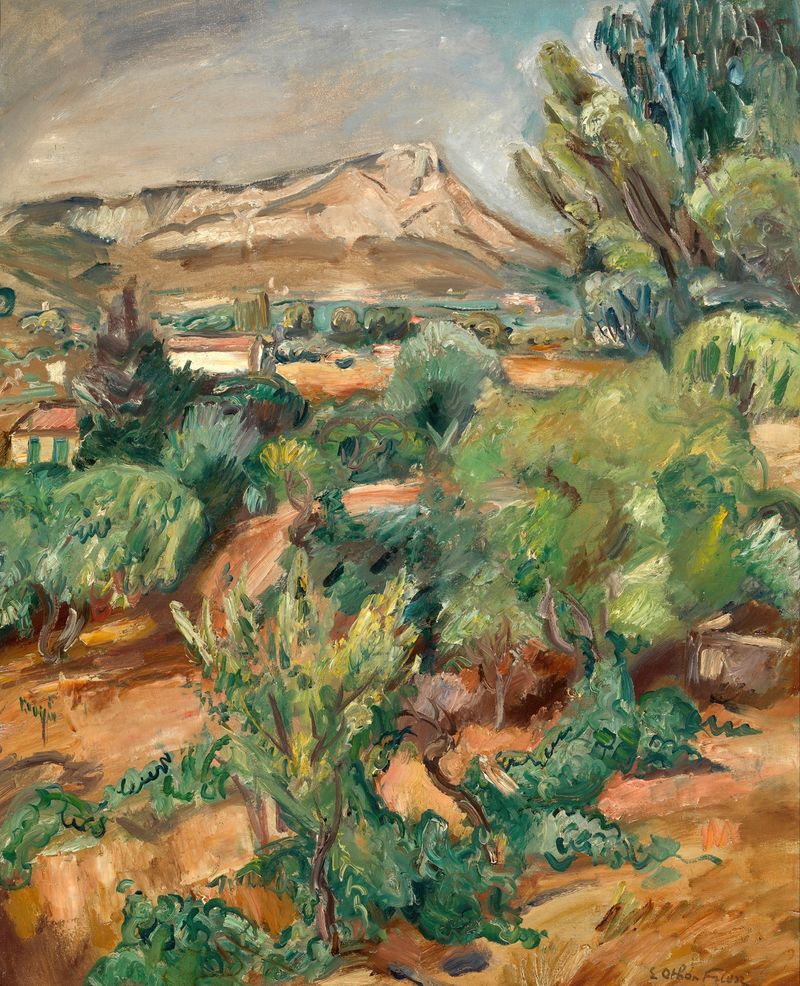
The Mountain Coudon Seen from Cap Brun
Emile Othon Friesz
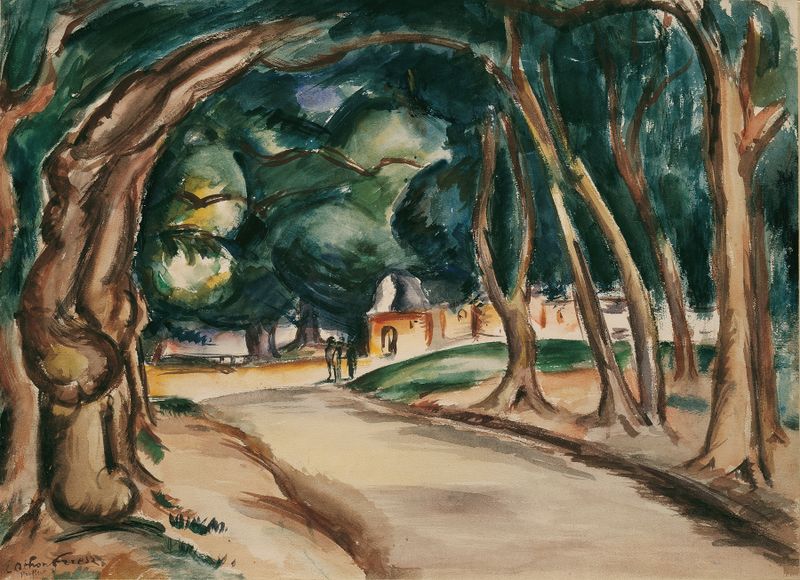
Allee
Emile Othon Friesz
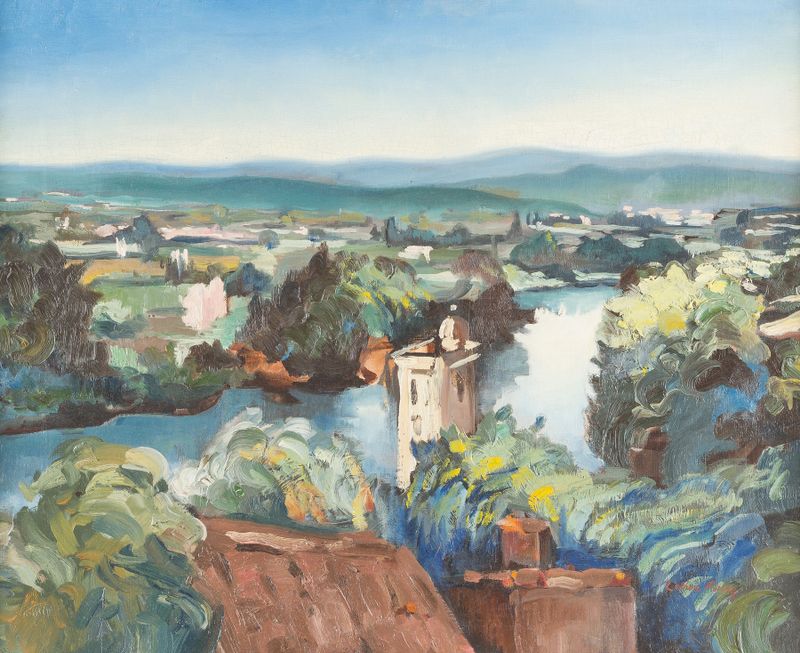
View to the horizon
Emile Othon Friesz
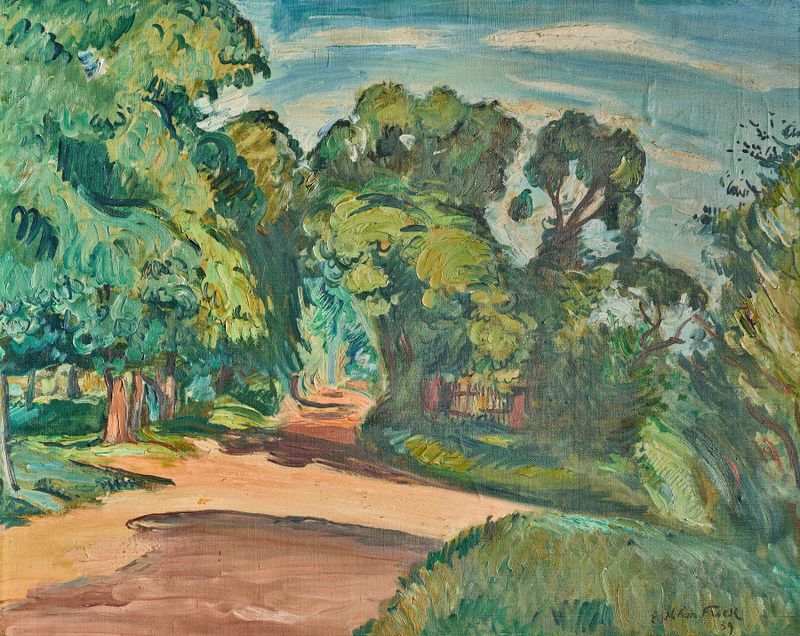
La croisée des chemins
Emile Othon Friesz
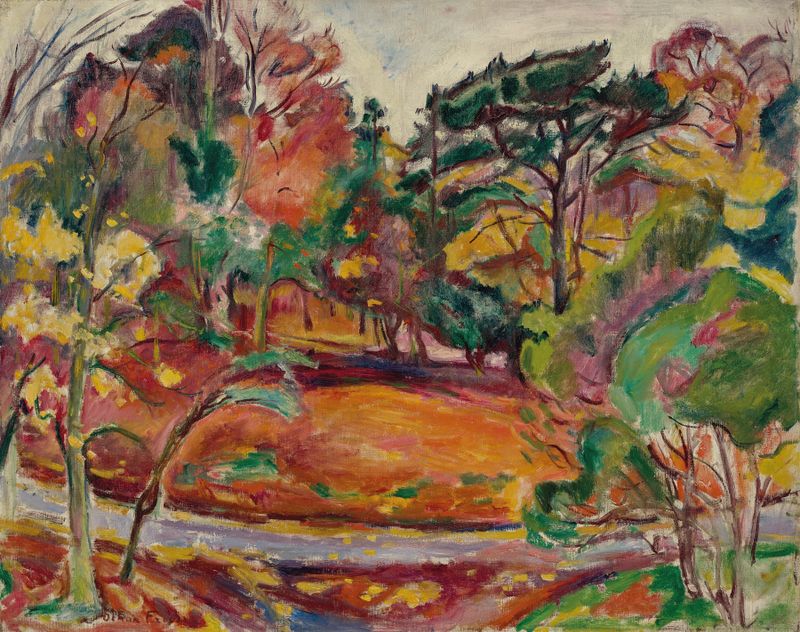
Automne à Honfleur, la Côte de Grâce
Emile Othon Friesz
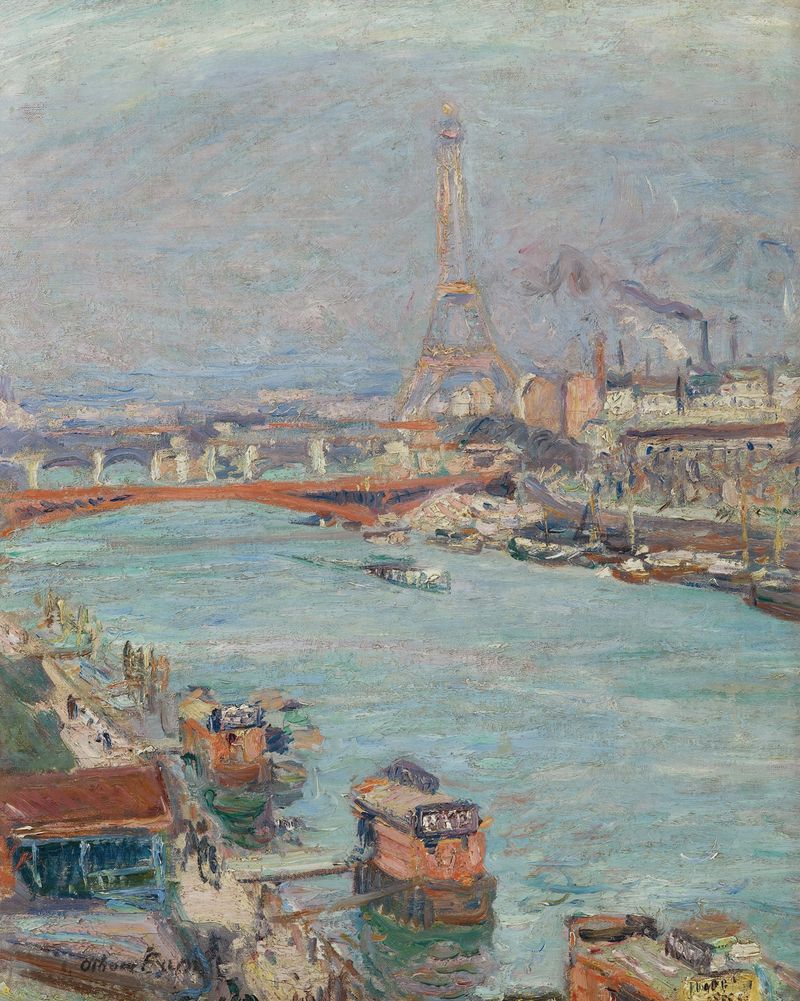
La Seine À Paris, La Tour Eiffel, Le Jour
Emile Othon Friesz
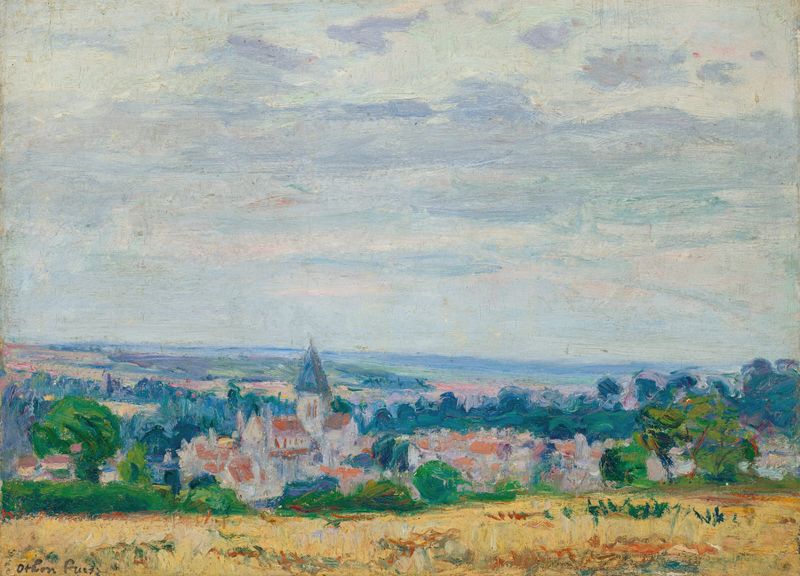
Falaise
Emile Othon Friesz
La Crique, Toulon
Emile Othon Friesz
Falaise
Emile Othon Friesz





