
Falaise — History & Facts
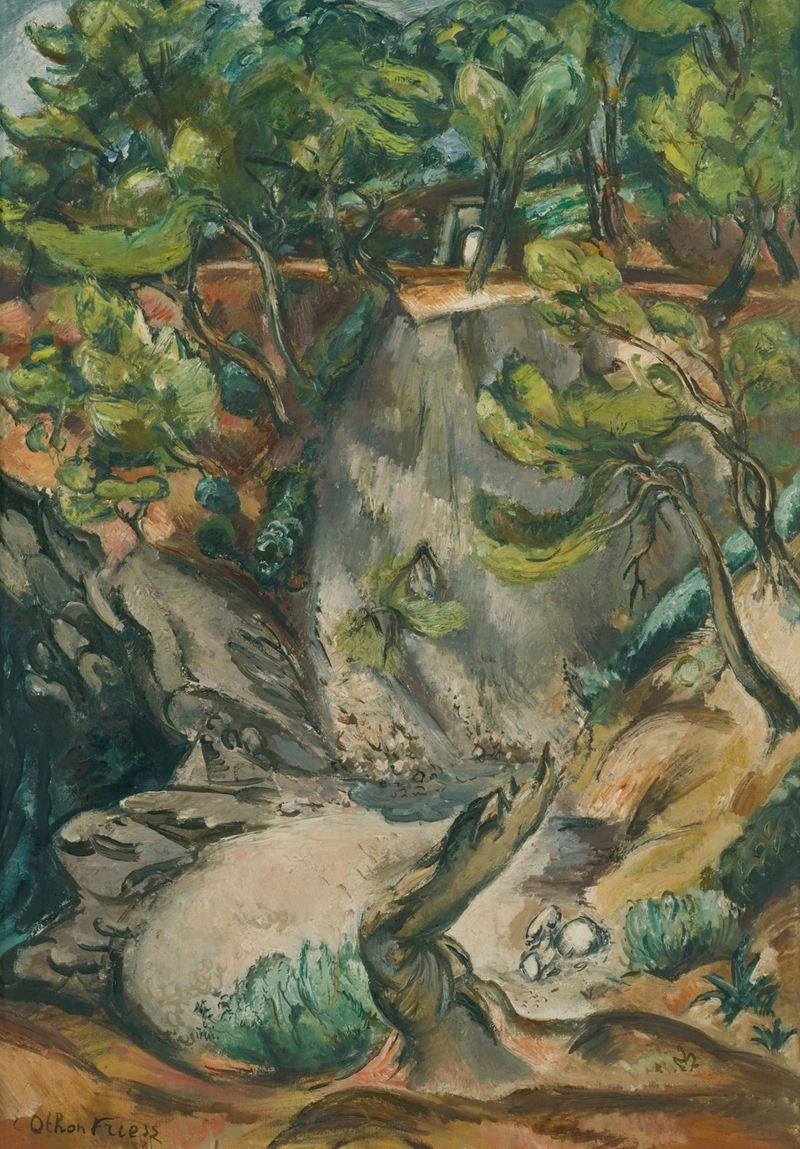
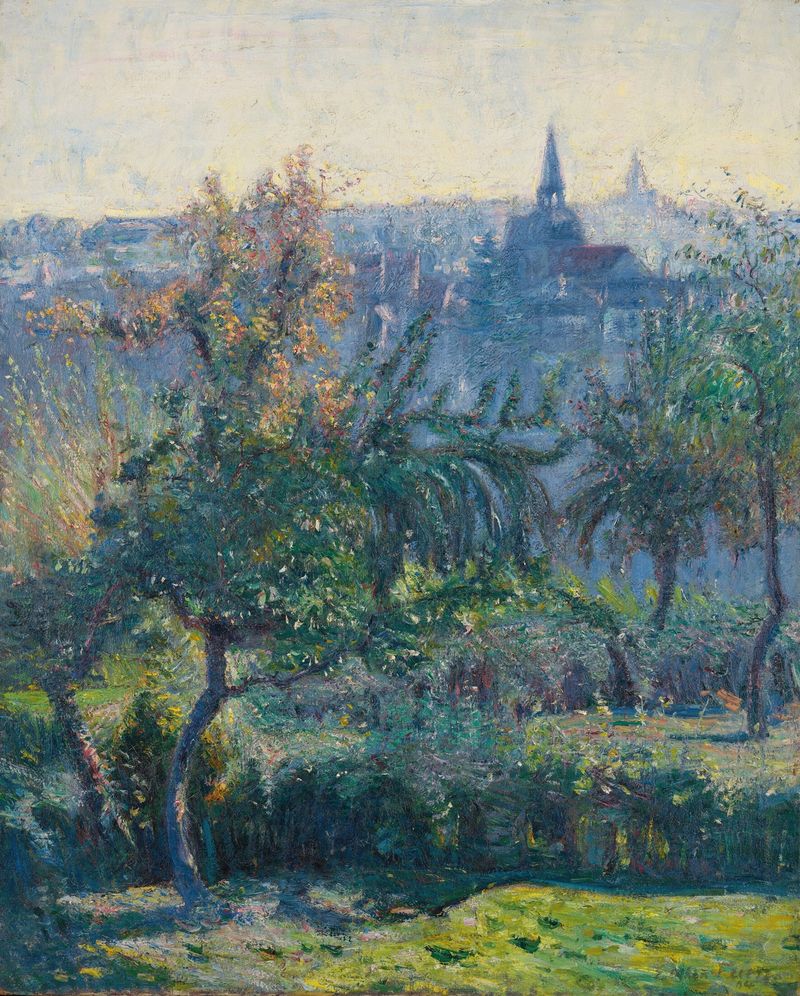
Can paint confess what words never could? In the hands of an artist, color becomes the language of longing, revealing the deepest yearnings of the soul. Begin by focusing on the vibrant swathes of color that dominate the canvas; look to the left where the deep blues of the sky meld into soft, warm earth tones. Notice the rhythmic brushstrokes that evoke the undulating cliffs, capturing both the majesty of nature and the fragility of existence. The interplay of light and shadow draws the eye towards the horizon, hinting at the promise of distant lands yet to be explored. As you absorb the composition, consider the emotional tension at play.
The bold, expressive strokes suggest a wild beauty, yet they also evoke a sense of solitude, as if the cliffs are witnesses to unspoken dreams. The distant horizon, shrouded in mist, symbolizes both hope and the unattainable, while the contrast between the rugged terrain and the serene sky echoes the artist's desire to reconcile nature's ferocity with its calmness. During the years surrounding the creation of this piece, Othon Friesz was immersed in the vibrant world of Fauvism, working in Paris amidst a burgeoning art scene. The early 20th century was marked by a quest for expression beyond realism, and Friesz, alongside his contemporaries, sought to break free from traditional constraints.
This painting likely reflects his own longing for artistic identity in a time of change, capturing both the spirit of the era and his personal journey.
More Artworks by Emile Othon Friesz
Browse all →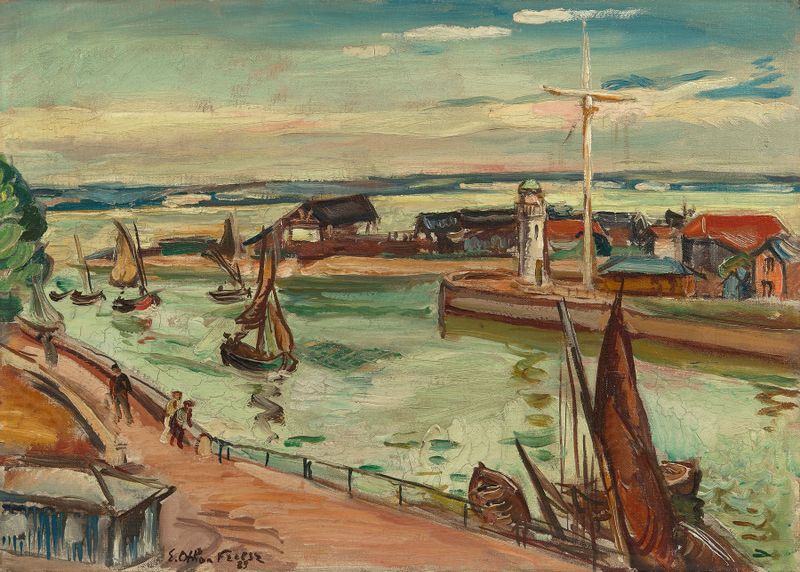
Sortie de port à Honfleur
Emile Othon Friesz
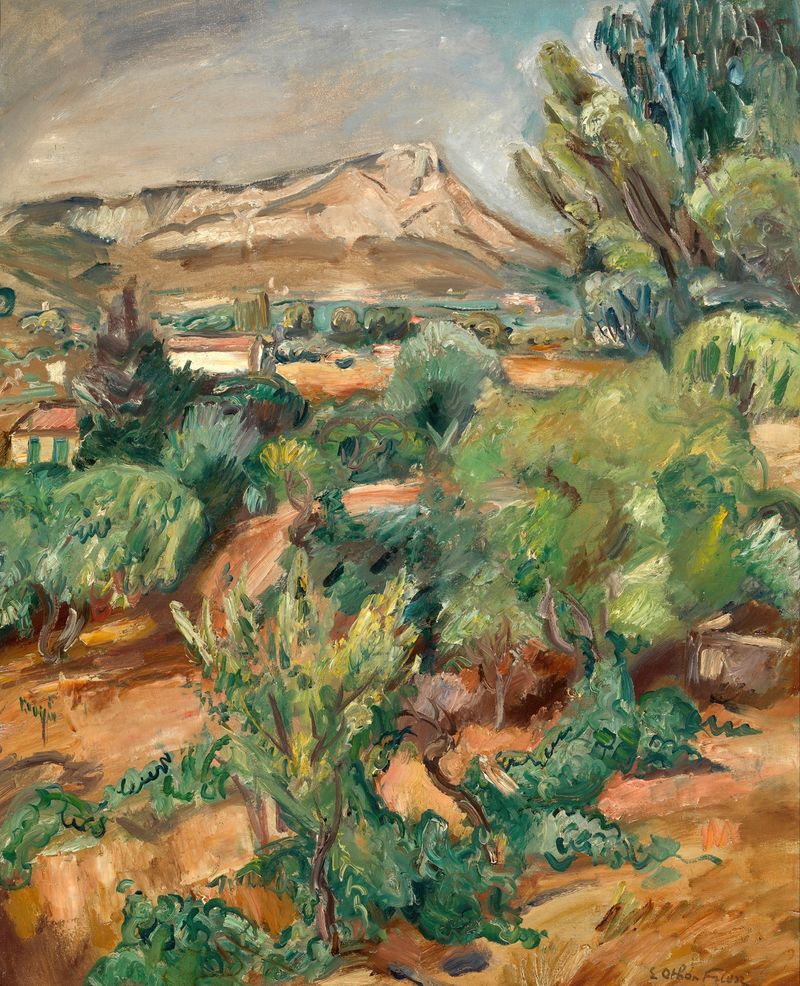
The Mountain Coudon Seen from Cap Brun
Emile Othon Friesz
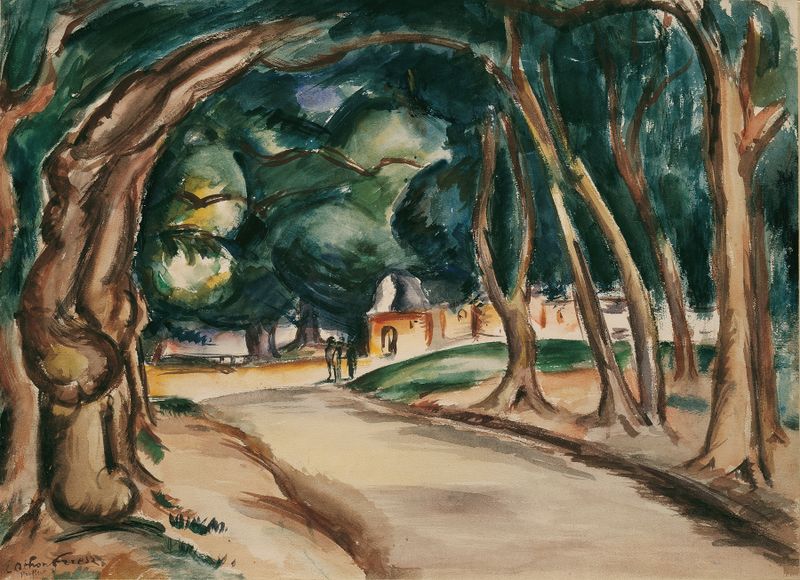
Allee
Emile Othon Friesz
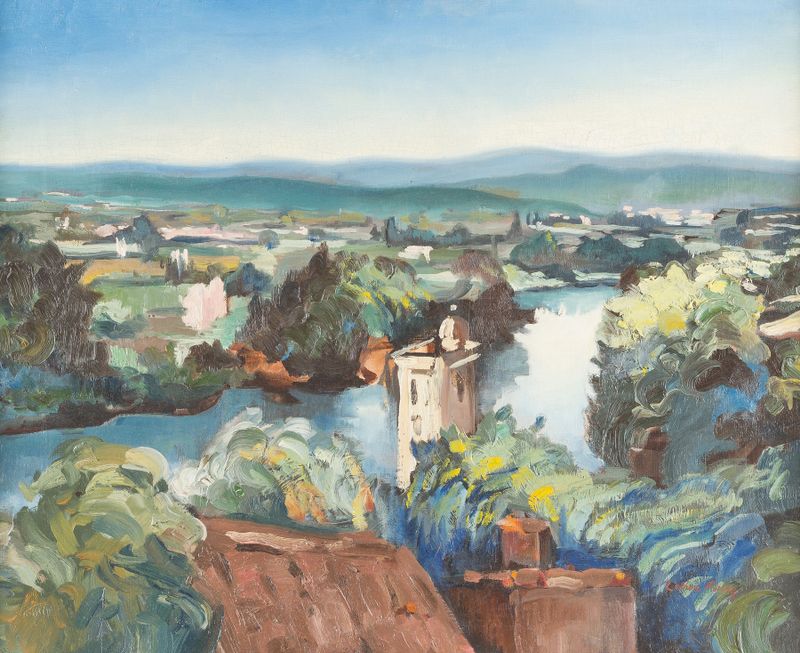
View to the horizon
Emile Othon Friesz
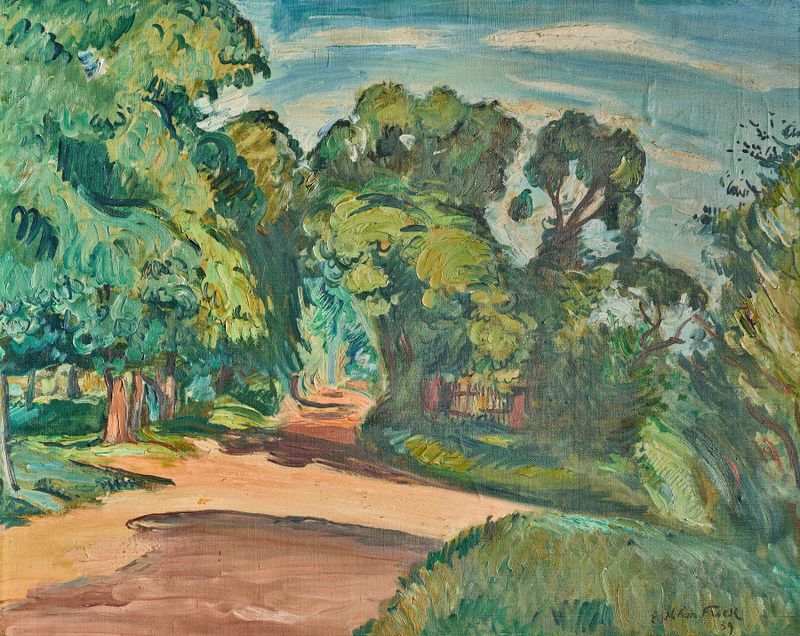
La croisée des chemins
Emile Othon Friesz
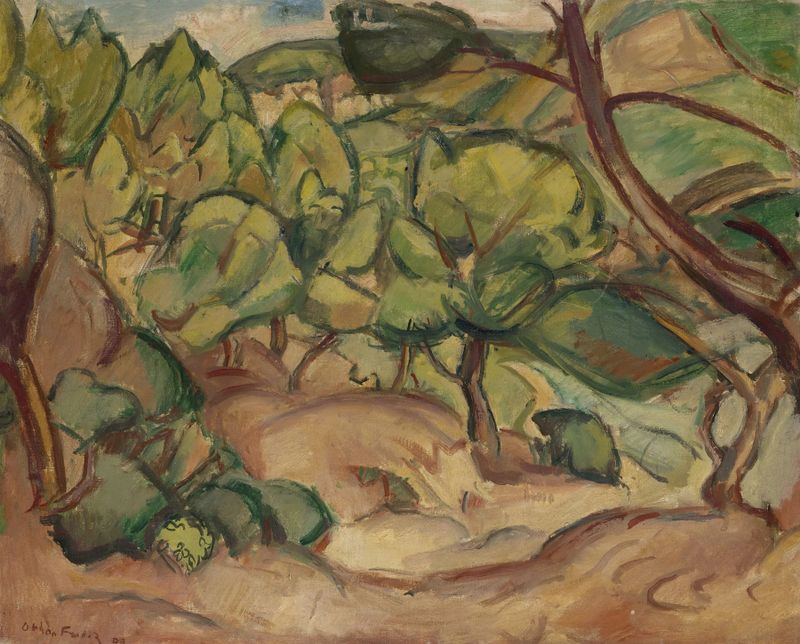
Dans les pins
Emile Othon Friesz
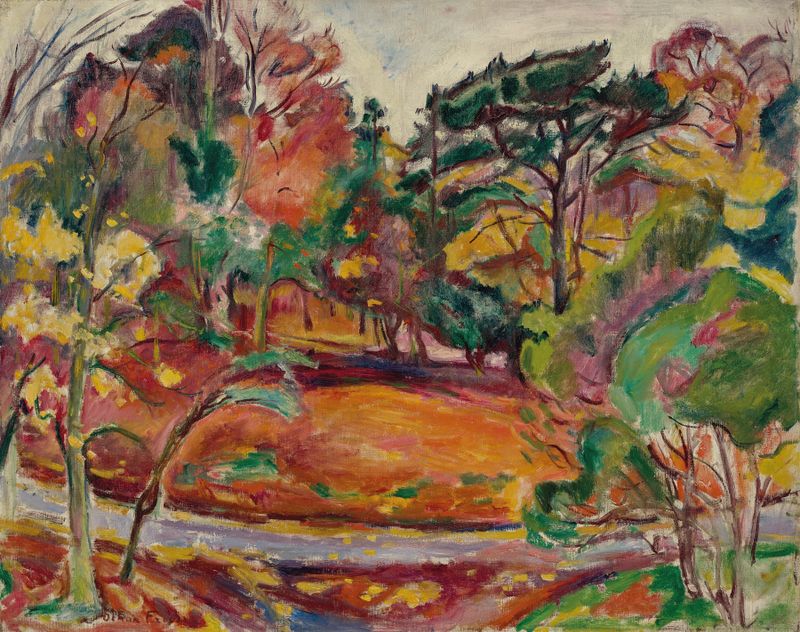
Automne à Honfleur, la Côte de Grâce
Emile Othon Friesz
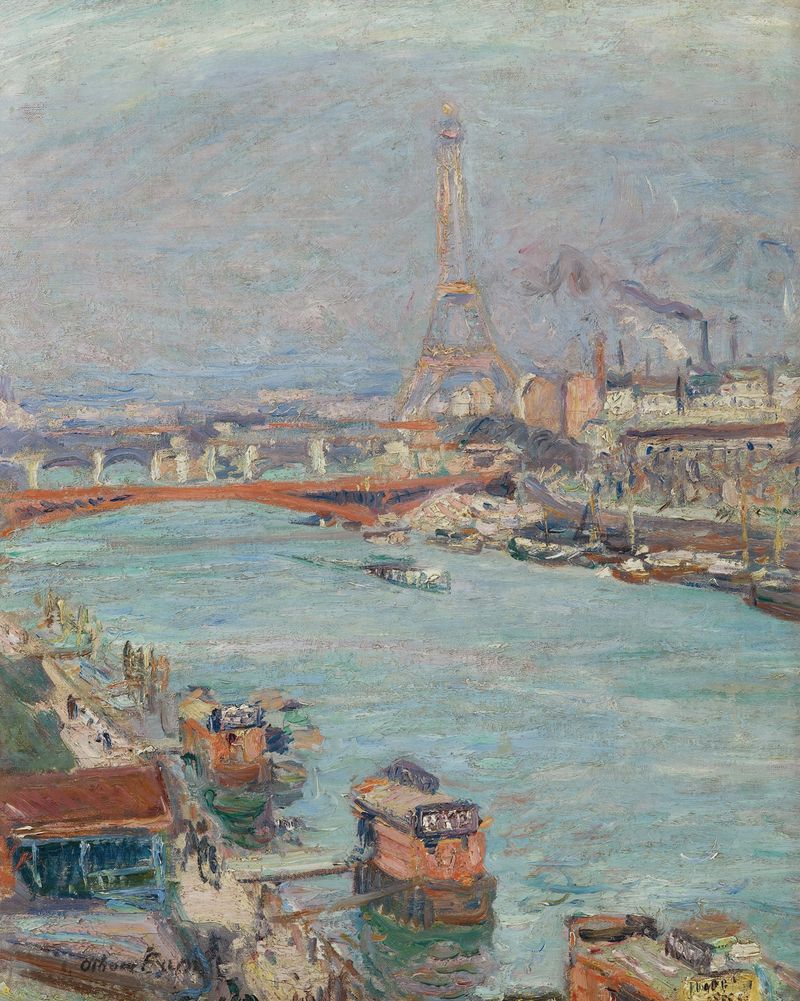
La Seine À Paris, La Tour Eiffel, Le Jour
Emile Othon Friesz
La Crique, Toulon
Emile Othon Friesz
Falaise
Emile Othon Friesz





