
Das Abendgebet — History & Facts
When did color learn to lie? In the play of light and shadow, Das Abendgebet offers both solace and unease, inviting the viewer to explore the sacred and the deceptive nature of perception. The interplay between divine intention and earthly reality speaks volumes, beckoning us to question our understanding of faith and authenticity. Look to the upper left corner, where a soft, golden light bathes the figures in reverence. The gentle hues of the warm palette create a sense of tranquility, contrasting with the darker tones that surround the central scene.
Notice the meticulous brushwork capturing the delicate folds of garments, the serene expressions on the faces, and the spatial arrangement that draws the eye toward the act of prayer, creating an intimate focus amidst the surrounding chaos of the world outside. Delve deeper into the nuances of the composition. The figures, rendered with tenderness, encapsulate a moment of devotion, yet their expressions hint at an underlying tension—a grappling with faith in a turbulent time. The juxtaposition of light against shadow symbolizes the duality of hope and despair, urging viewers to confront their own spiritual battles.
Each detail, from a clasped hand to a bowed head, invites introspection about the role of divine presence in our lives. Created between 1915 and 1945, this work emerged during a period of profound global upheaval. As war and societal change swept across Europe, König found himself navigating a landscape that challenged traditional values and beliefs. In this context, the painting resonates with the struggles of its time, embodying a search for meaning amidst chaos, as both the artist and the world around him grappled with notions of faith and resilience.
More Artworks by Franz Niklaus König
Browse all →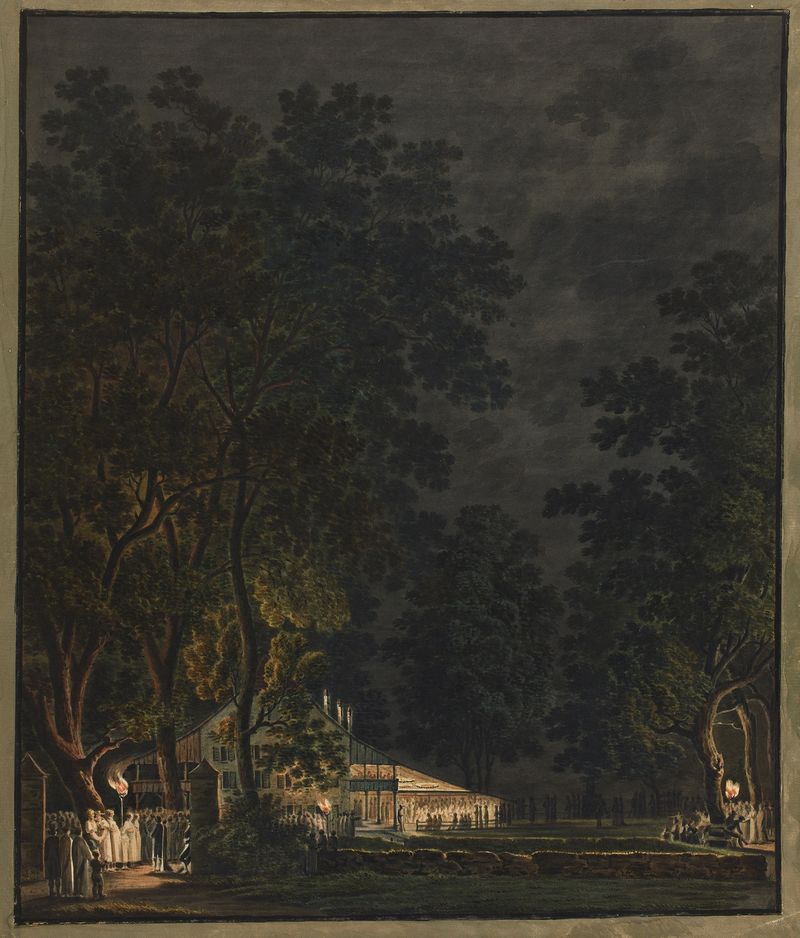
Abend des zweiten Unspunnenfests
Franz Niklaus König
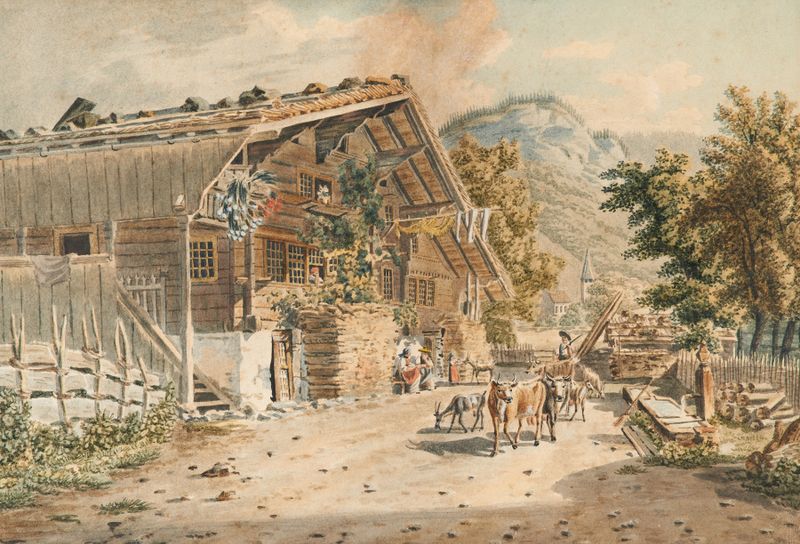
Bauernhaus und Strasse in Meiringen
Franz Niklaus König

Mondaufgang am Thunersee
Franz Niklaus König

Bauernhaus im Berner Oberland
Franz Niklaus König
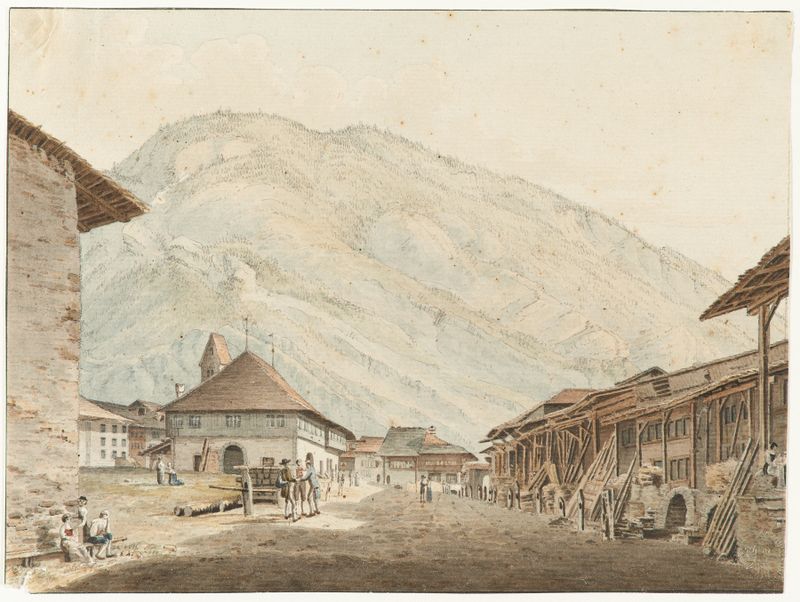
Ansicht von Unterseen
Franz Niklaus König
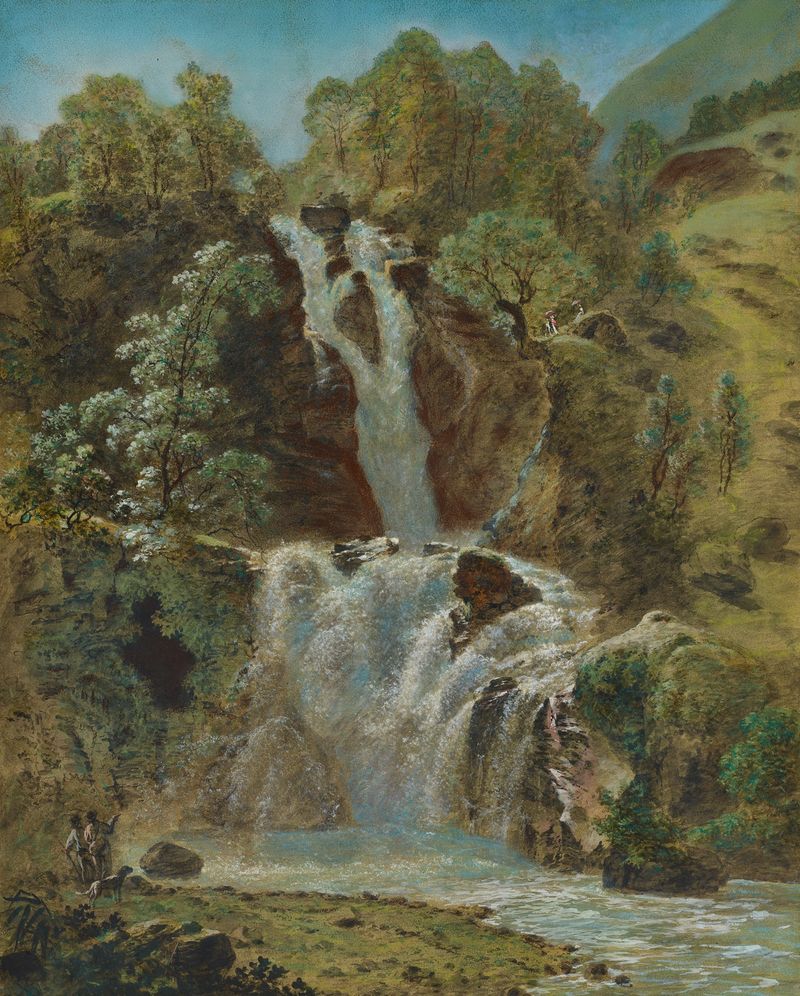
Chute inférieure du Reichenbach dans la vallée d’Oberhasli
Franz Niklaus König
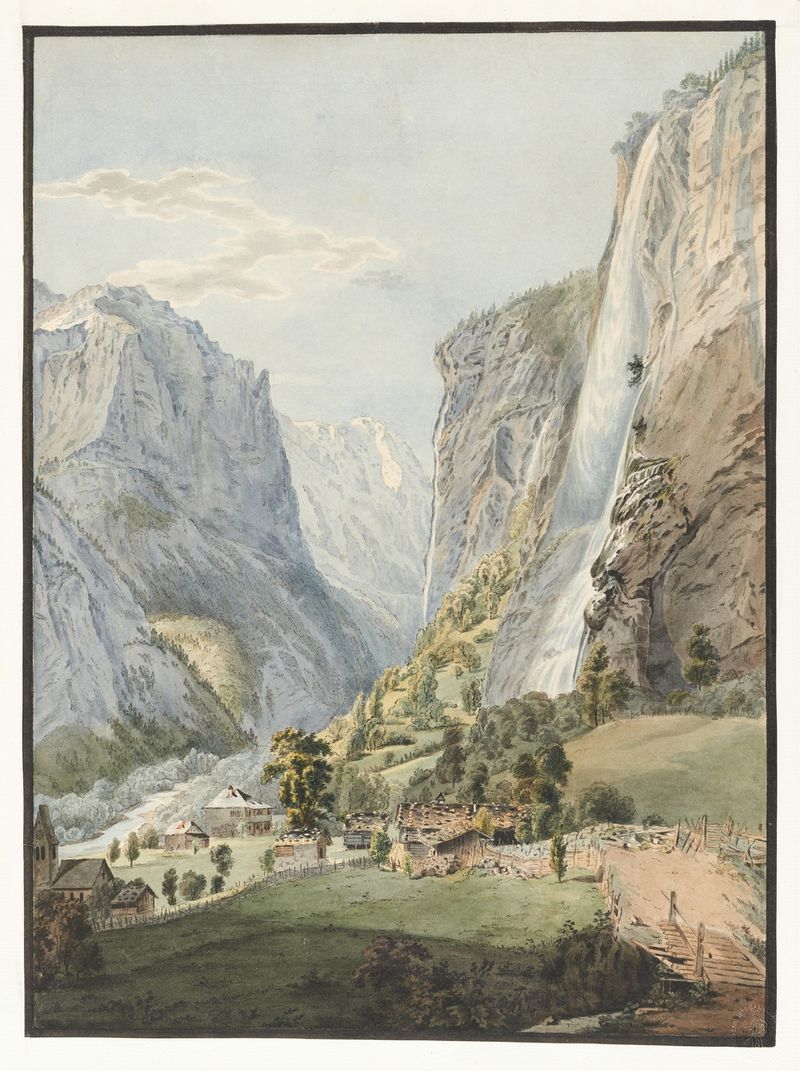
La Chute du Staubbach, dans la Vallée de Lauterbrunnen
Franz Niklaus König
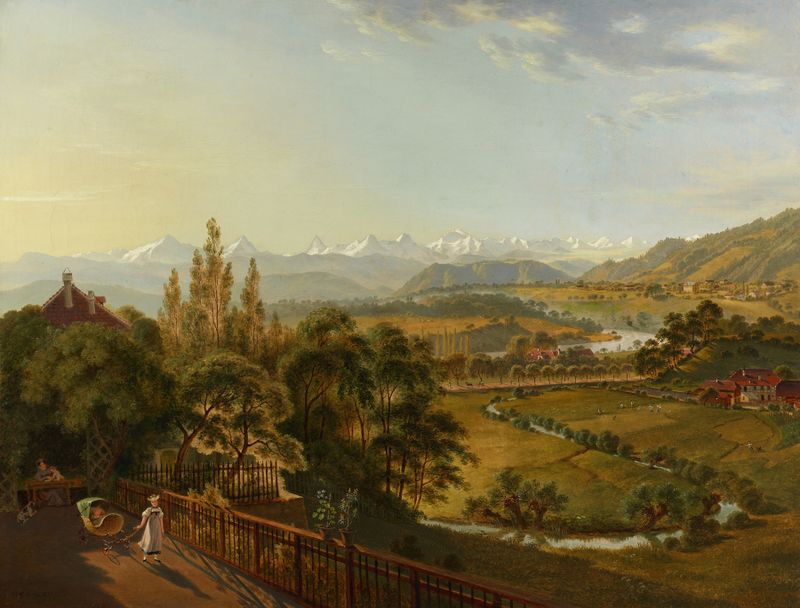
Blick von der Kleinen Schanze gegen die Alpen
Franz Niklaus König
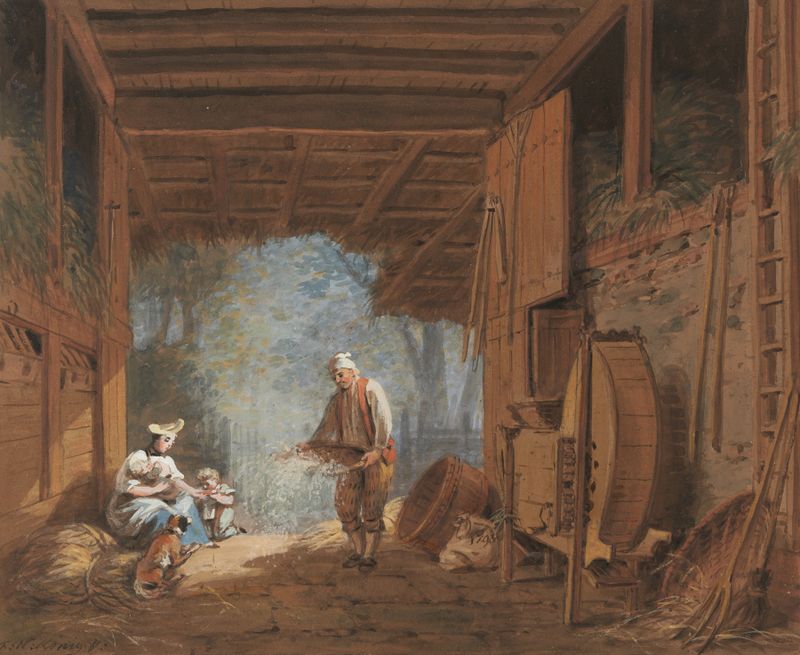
Bauernfamilie im Tenn
Franz Niklaus König
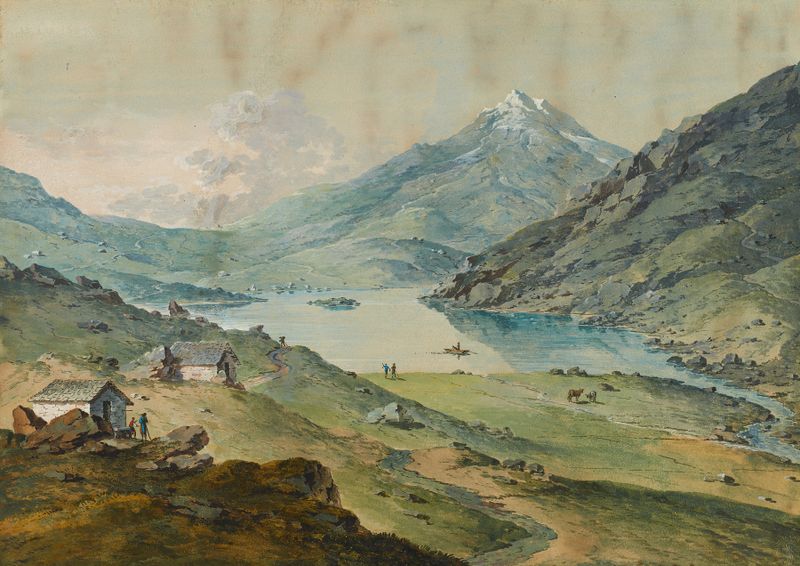
Berglandschaft mit See
Franz Niklaus König
More Religious Art
Browse all →
The Return of the Prodigal Son
Rembrandt van Rijn

The Garden of Earthly Delights
El Bosco

Count Orgaz’ funeral
El Greco

The Hundred Guilder Print: the central piece with Christ preaching, the plate arched
Rembrandt van Rijn

The Descent from the Cross
Rogier van der Weyden

The return of the prodigal son
Rembrandt van Rijn