
Dawn — History & Facts
Is this a mirror — or a memory? This question lingers in the air, evoking a quiet introspection, as the viewer stands before a scene steeped in the delicate hues of dawn. Focus on the soft pastel colors that wash over the canvas, creating an atmosphere that feels both serene and ethereal. Notice how the light cascades gently across the horizon, illuminating the wisps of clouds and the tranquil waters below. The composition leads your eye toward the horizon, where the merging of sky and earth invites contemplation, enveloping you in a sense of time suspended.
The deft brushstrokes suggest the fleeting nature of a moment that is both ephemeral and eternal. Within this peaceful dawn, there lies an emotional tension—an interplay between solitude and awakening. The stillness of the landscape contrasts with the promise of a new day, fostering a poignant reflection on beginnings and endings. The subtle ripples in the water mirror the sky’s colors, suggesting the blurring of boundaries between reality and memory, while the silence of the scene evokes deep thoughts about the passage of time and its transience. In 1881, while creating Dawn, Pruszkowski was immersed in the artistic currents of the late 19th century, a time when the Impressionist movement was reshaping perceptions of light and color.
Working in Poland, he drew inspiration from the natural beauty surrounding him, reflecting both personal experiences and broader cultural shifts as artists began to explore more emotional and subjective representations of their environments.
More Artworks by Witold Pruszkowski
Browse all →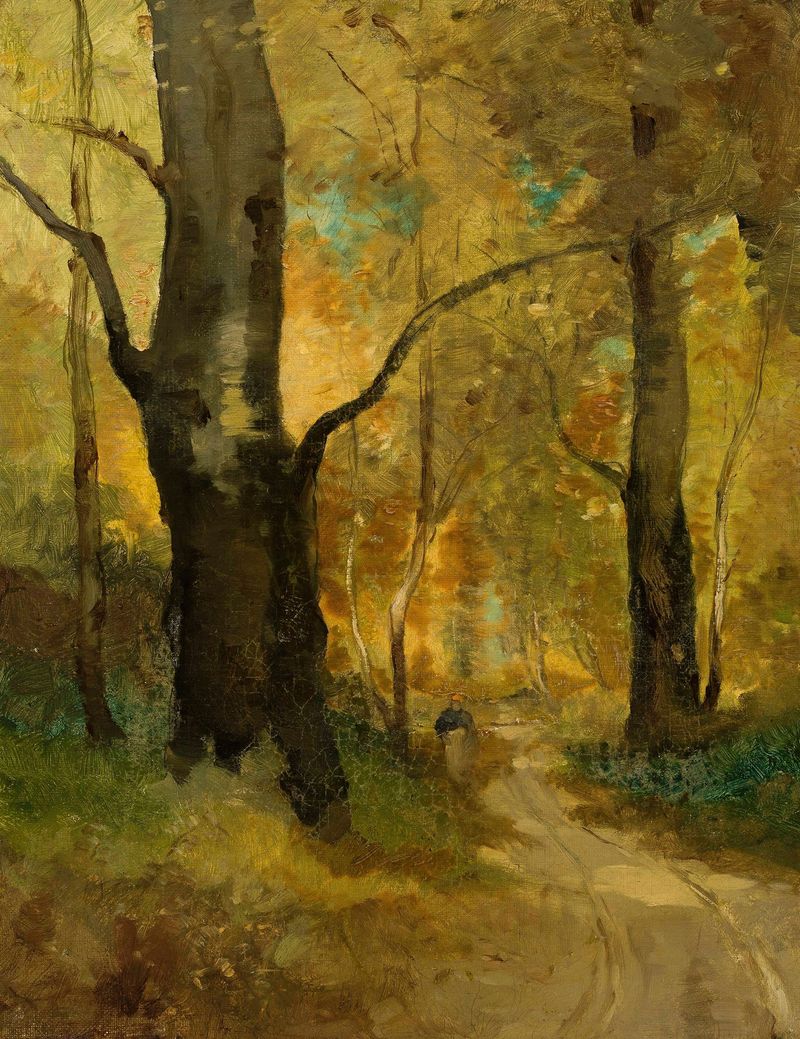
Forest in autumn
Witold Pruszkowski
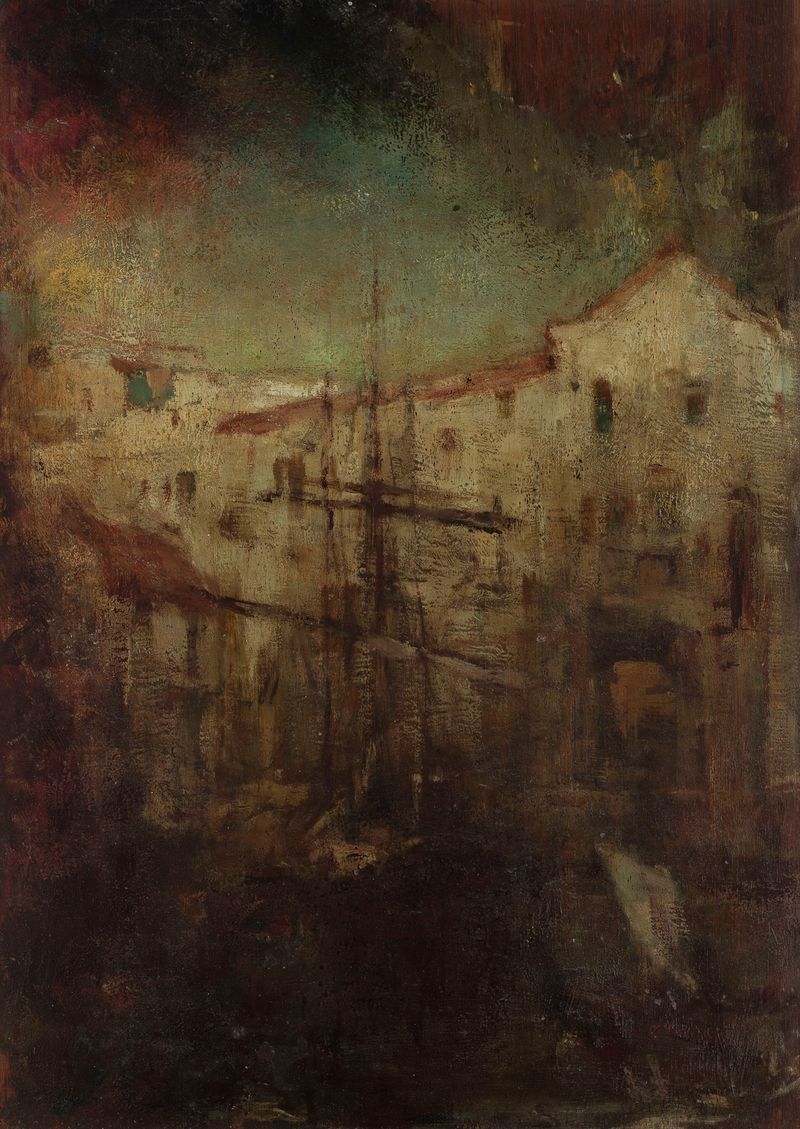
Palette; View of houses in an Italian city
Witold Pruszkowski

Study of a landscape for the painting “March to Siberia”
Witold Pruszkowski

Landscape with a Brushwood Fence
Witold Pruszkowski

Suicide’s grave
Witold Pruszkowski
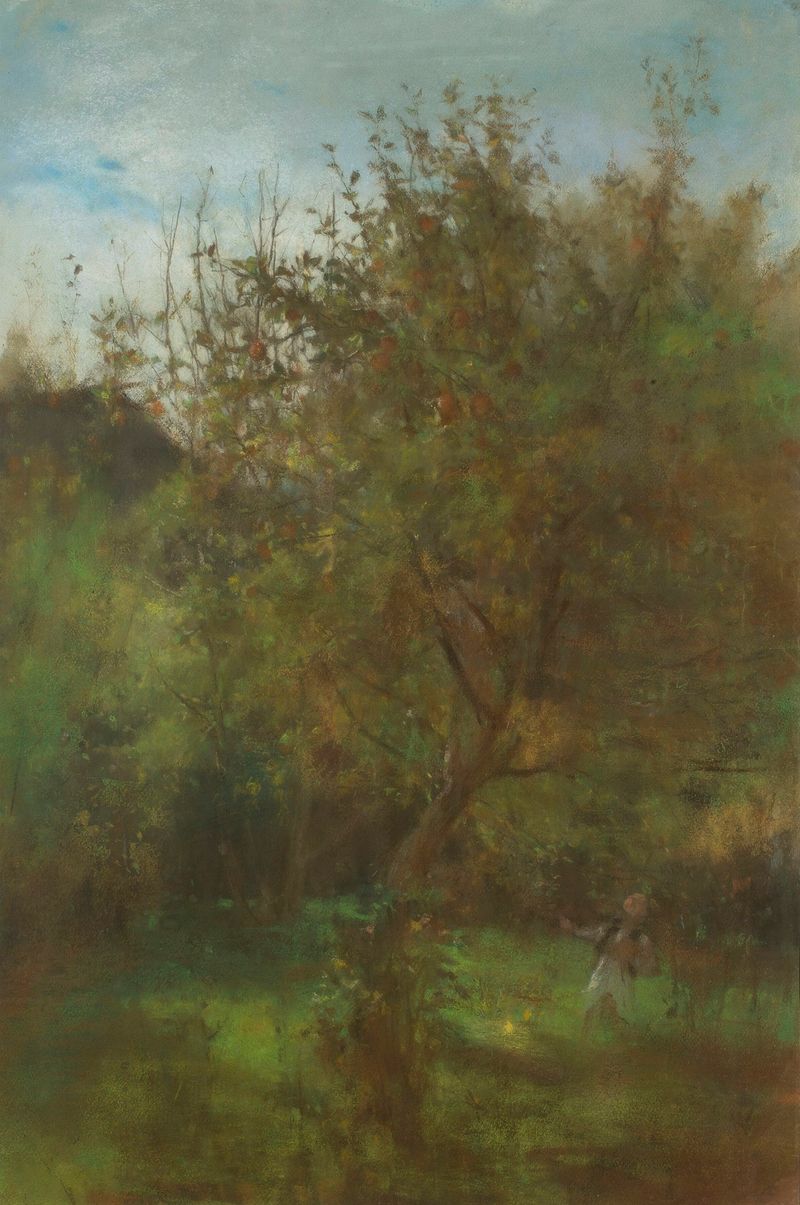
Orchard – boy under an apple tree
Witold Pruszkowski





