
De boog van Titus, Rome — History & Facts
Could beauty survive in a century of chaos? In a world scarred by conflict and uncertainty, this question resonates deeply, compelling us to seek solace in artistry. Look to the arch's grandeur at the center of the composition. The stone structure, aged yet steadfast, commands attention against the backdrop of a sky that dances between soft blues and muted grays. Notice how Monnickendam’s delicate brushwork captures the play of light upon the arch's surface, creating a dialogue between shadow and illumination.
The earth-toned palette evokes a sense of timelessness, inviting the viewer to contemplate the passage of time itself. Beyond the surface, the arch symbolizes resilience amid turmoil; it stands as a monument to history and faith. The stark contrast between the enduring structure and the ephemeral clouds hints at the fragility of beauty in an ever-changing world. Each element—stone, sky, light—speaks to the enduring power of art, almost as if the arch whispers stories of those who came before, offering hope to a future still shrouded in uncertainty. In 1934, the artist captured this moment in the heart of a Europe grappling with the shadows of political unrest and impending war.
Amidst these tumultuous times, Monnickendam sought to find beauty in the classical forms of ancient Rome, reflecting a collective yearning for stability and faith in the midst of chaos. The work stands as a testament to his artistic dedication during a period when many were questioning the very foundations of culture and civilization.
More Artworks by Martin Monnickendam
Browse all →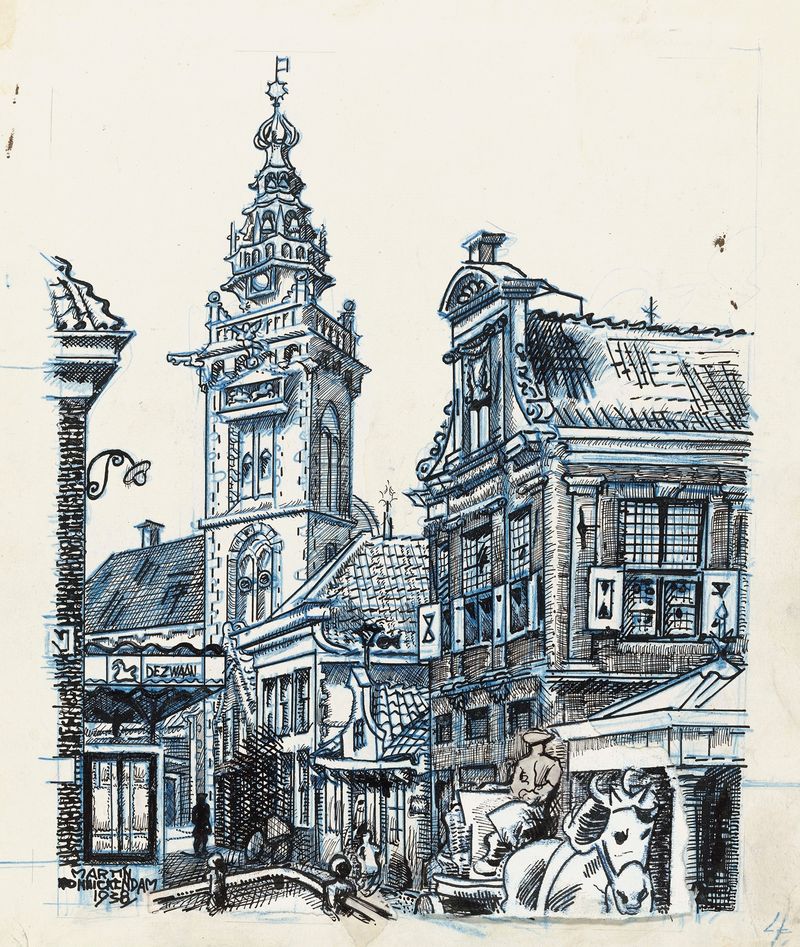
Gezicht bij de Dam te Monnickendam op de Speeltoren en Waaggebouw
Martin Monnickendam
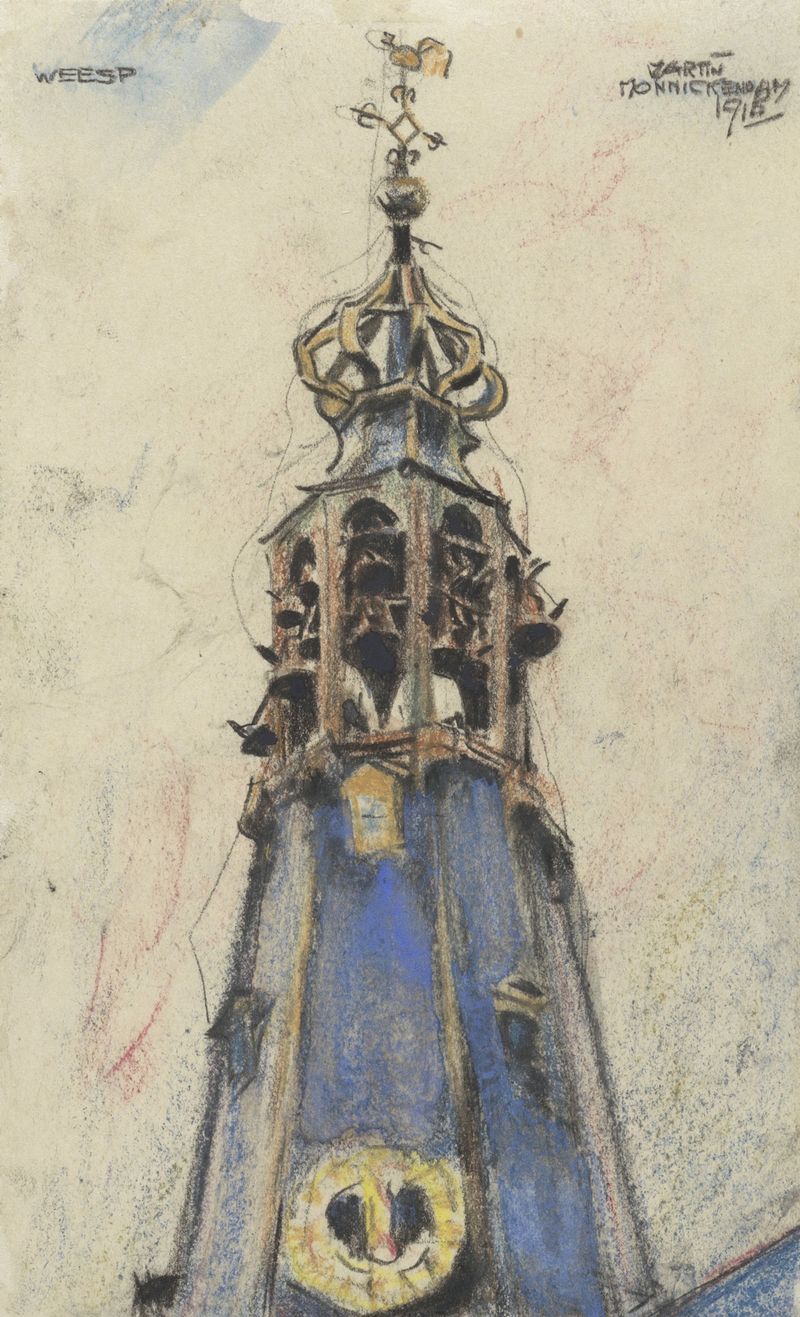
Kerktoren te Weesp
Martin Monnickendam
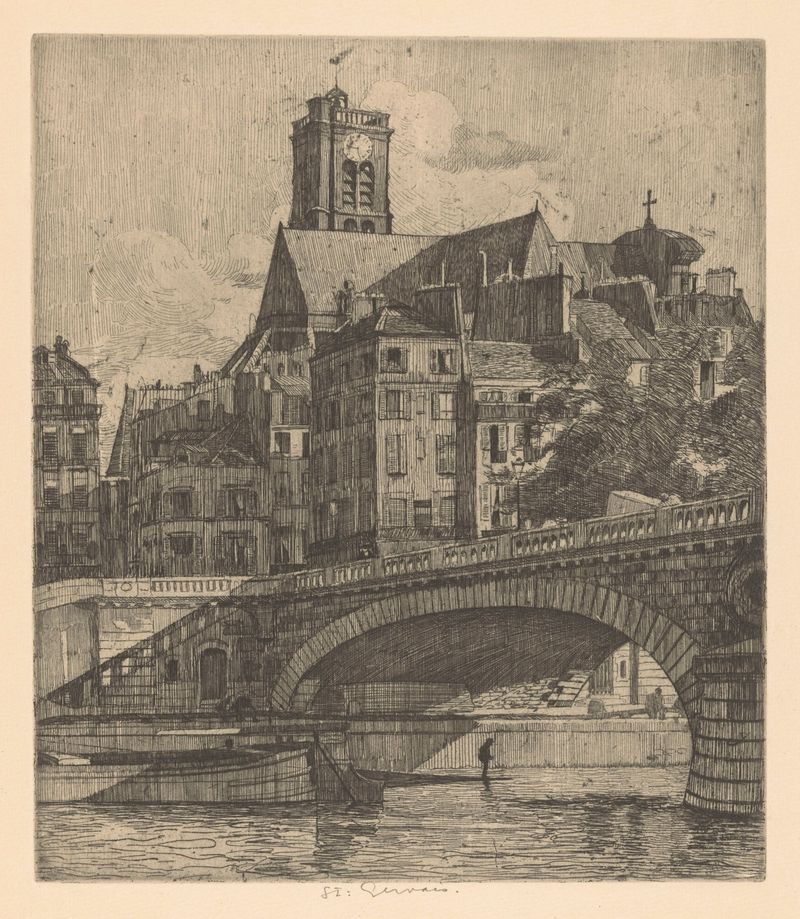
Gezicht op de Saint-Gervais in Parijs
Martin Monnickendam

Gezicht op de Kwakelbrug en de toren van de Onze Lieve Vrouwekerk te Edam
Martin Monnickendam
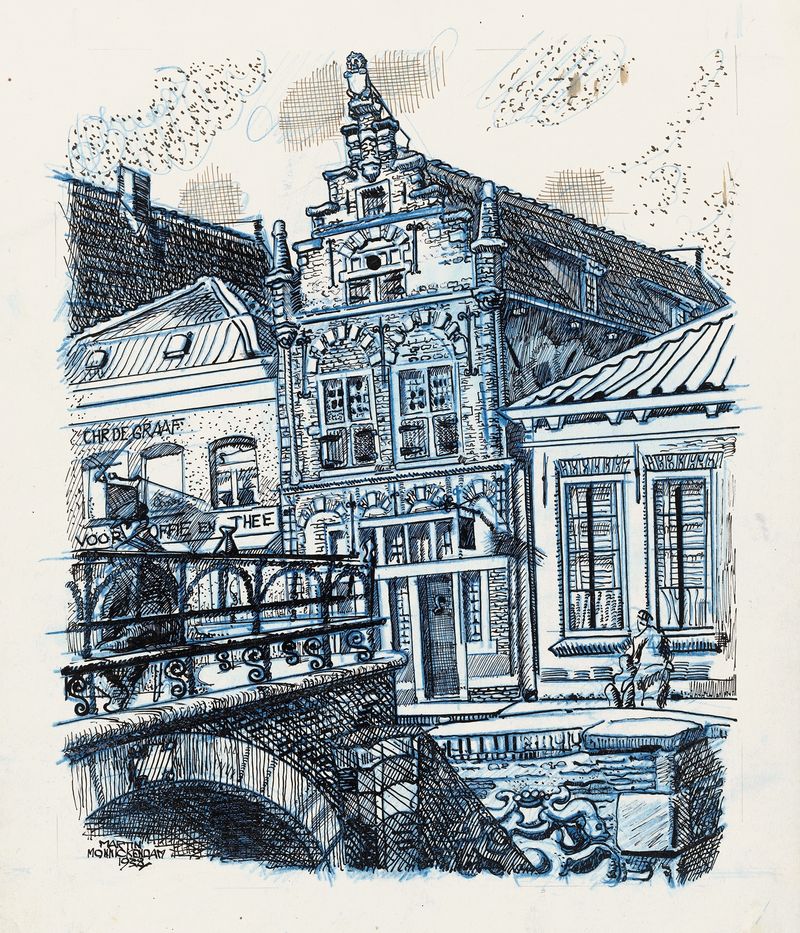
Voorgevel van het Museum te Edam
Martin Monnickendam

Poortje in S. Miniato
Martin Monnickendam
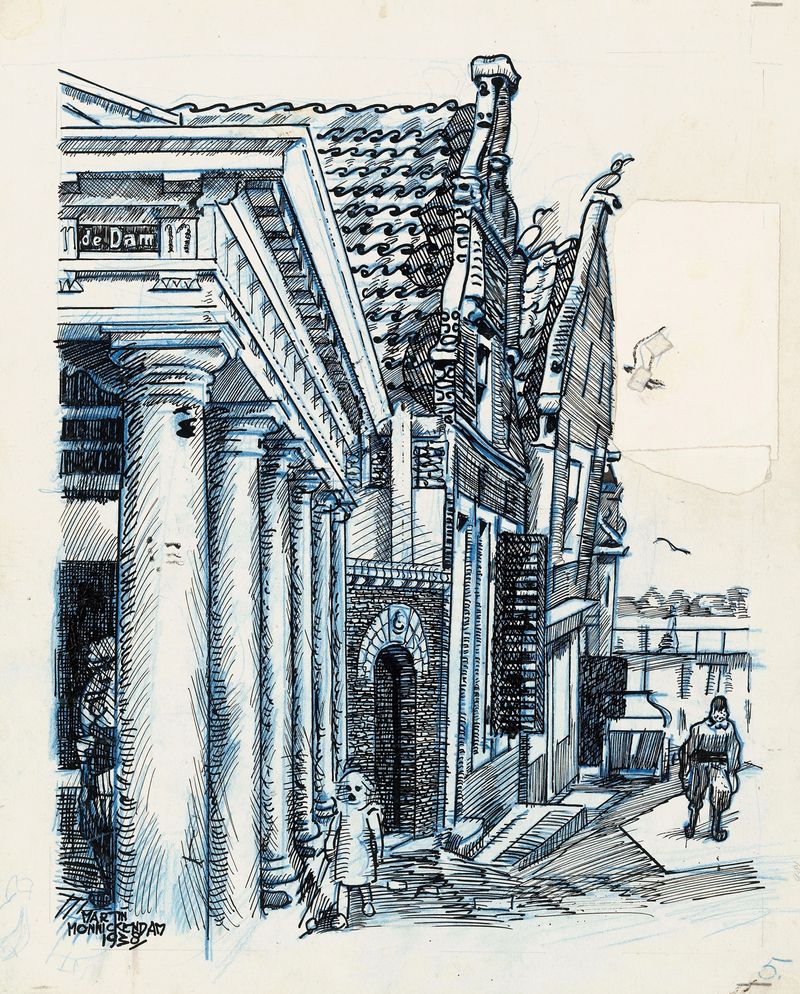
Gezicht langs het Waaggebouw te Monnickendam
Martin Monnickendam
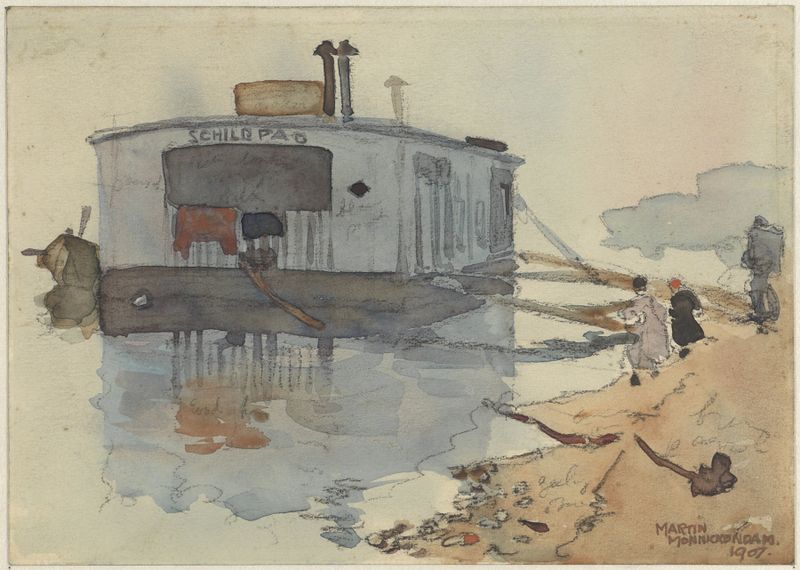
Schip De Schildpad aan een oever
Martin Monnickendam
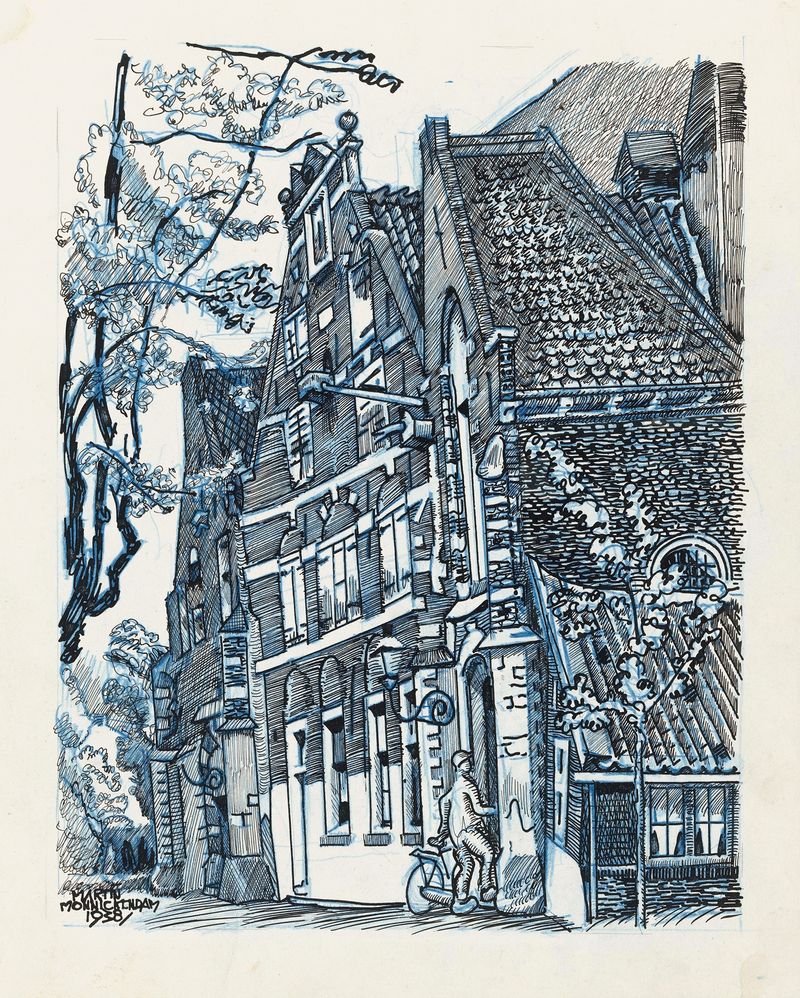
Oostelijke portaal van de St. Nicolaaskerk te Monnickendam
Martin Monnickendam

Straatje met gezicht op de St. Nicolaaskerk te Monnickendam
Martin Monnickendam
More Architecture Art
Browse all →
The statue of Liberty
Frédéric Auguste Bartholdi

View of Houses in Delft, Known as ‘The Little Street’
Johannes Vermeer

View of Houses in Delft, Known as ‘The Little Street’
Johannes Vermeer

The Cathedral in Rouen. The portal, Grey Weather
Claude Monet

The yellow house
Vincent van Gogh

The Church in Auvers-sur-Oise, View from the Chevet
Vincent van Gogh