
Poortje in S. Miniato — History & Facts
Could beauty survive in a century of chaos? The question lingers like a haunting echo, inviting exploration into the delicate balance between art and the tumult of existence. Look to the center of the canvas, where a narrow archway frames an intimate glimpse into a tranquil scene. Soft light spills through, illuminating the aged stones and casting gentle shadows that weave a tapestry of time and memory. The muted color palette—a blend of earthy browns and tranquil greens—evokes a sense of nostalgia, inviting the viewer to step into the serene embrace of a moment paused.
Each brushstroke carries a whisper of history, drawing the eye deeper into this contained world. Yet beneath the surface simplicity lies a profound melancholy. The archway stands as both a gateway and a barrier, suggesting the fleeting nature of beauty in an ever-changing world. Notice how the surrounding foliage, lush yet restrained, hints at nature’s resilience, contrasting against the manmade structure that seems to sigh under the weight of years.
This subtle interplay between the organic and the architectural speaks to a longing for permanence amid inevitable decay, a reflection of the artist's own grappling with the passage of time. In 1932, while living in the Netherlands, the artist created this piece during a period marked by both personal and collective upheaval. The rise of modernism in the art world was reshaping traditional forms, yet Monnickendam chose to embrace the beauty of the old world. His works from this time reveal an aspiration to capture fleeting moments, a response to the post-war nostalgia that permeated society, making *Poortje in S.
Miniato* a poignant reflection of that era's complexities.
More Artworks by Martin Monnickendam
Browse all →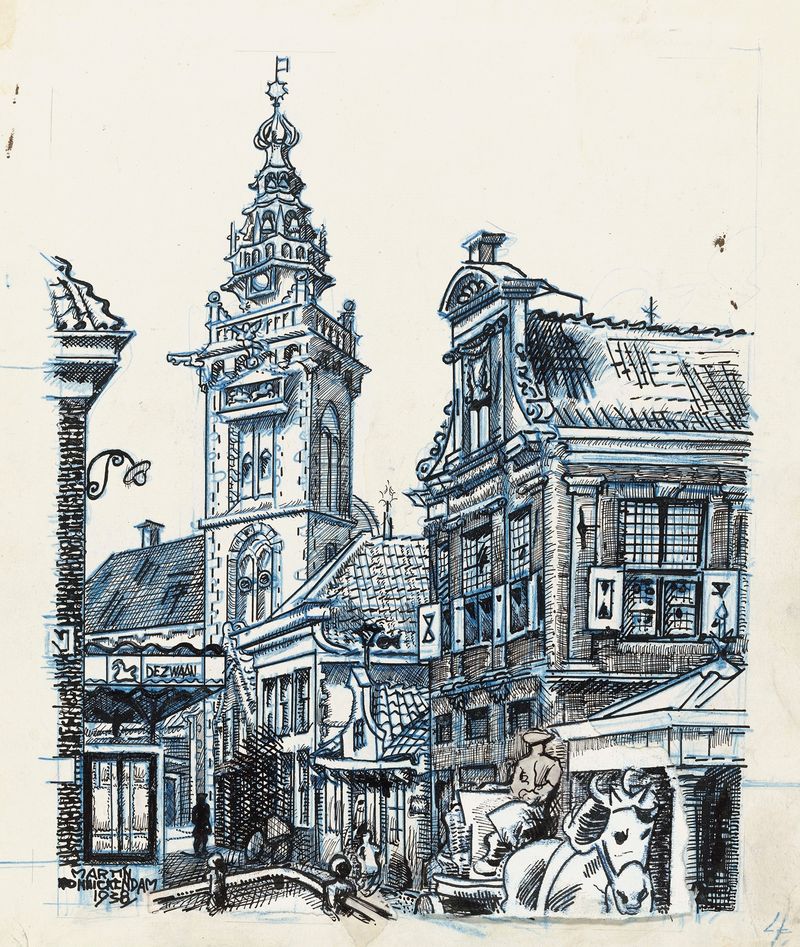
Gezicht bij de Dam te Monnickendam op de Speeltoren en Waaggebouw
Martin Monnickendam
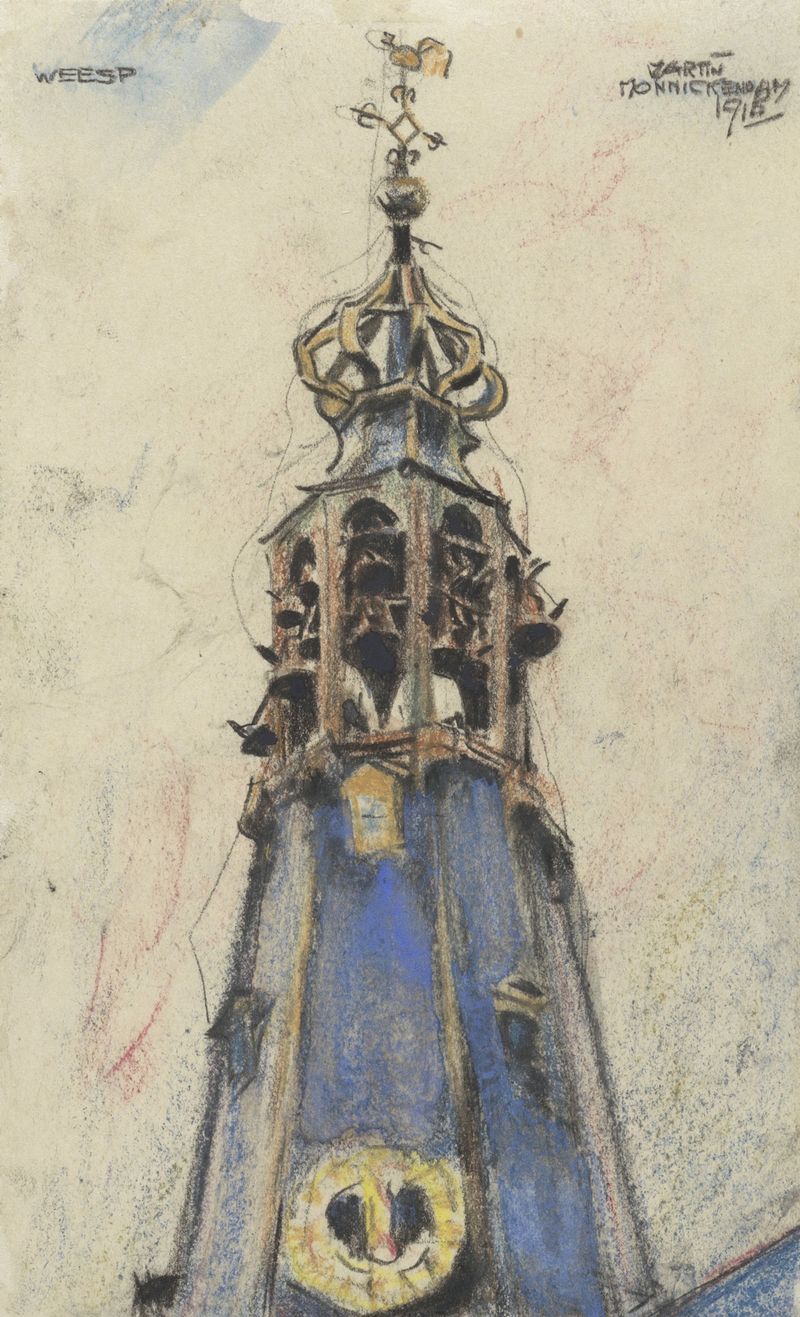
Kerktoren te Weesp
Martin Monnickendam
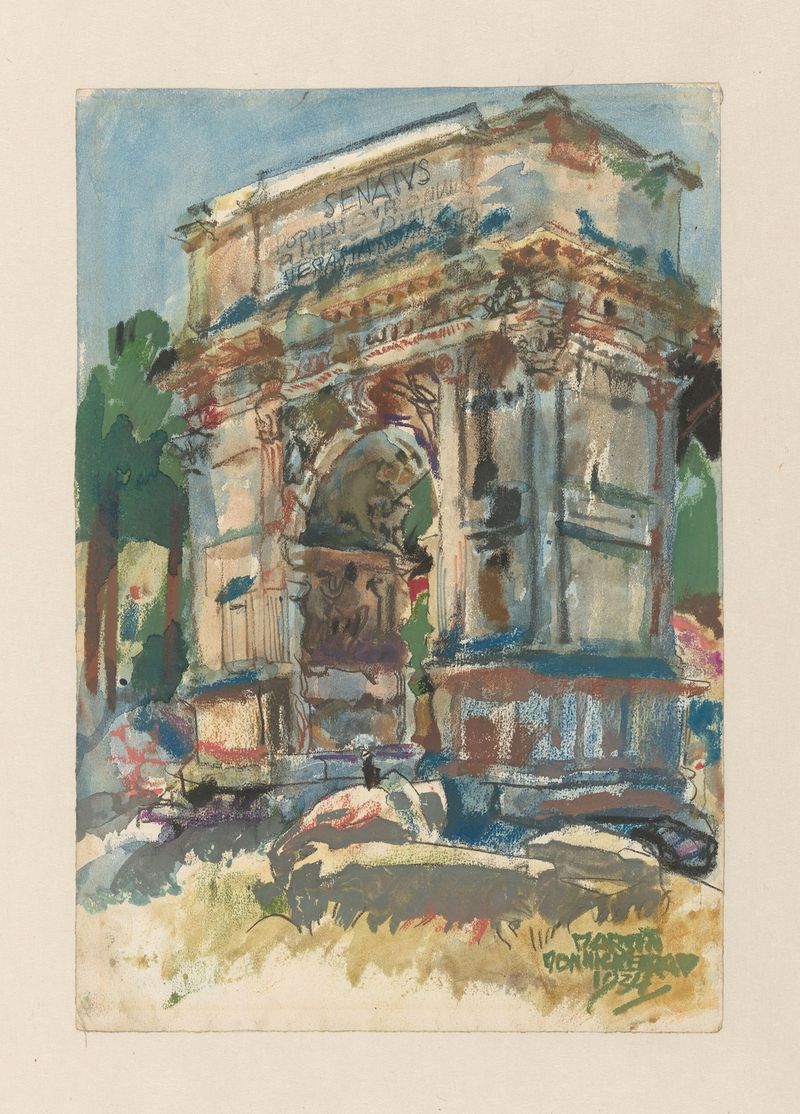
De boog van Titus, Rome
Martin Monnickendam
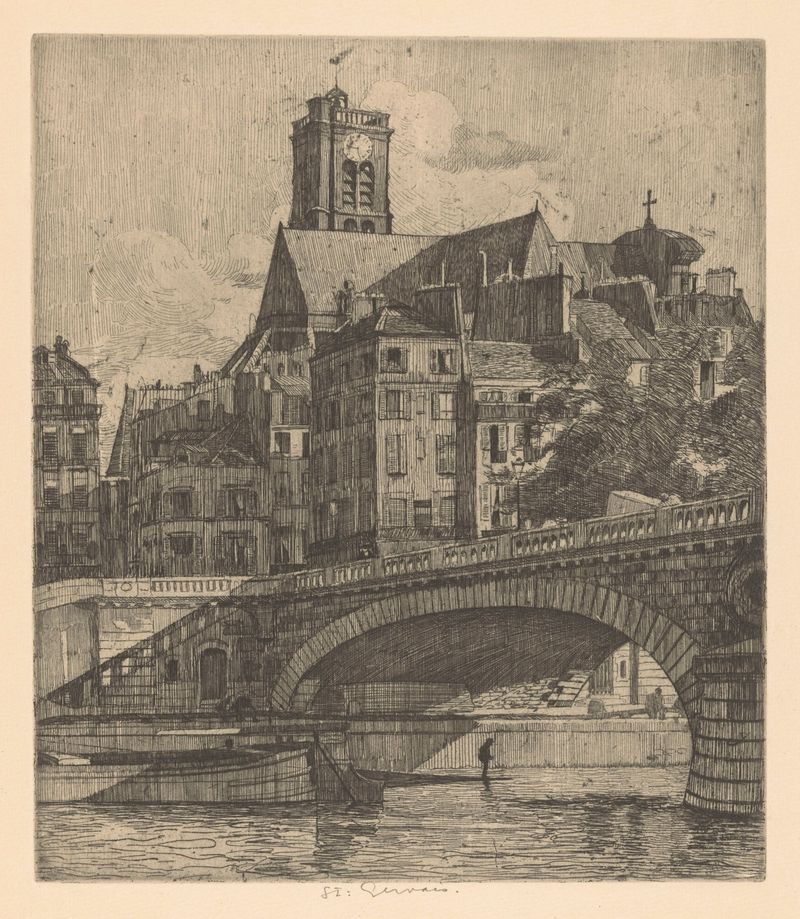
Gezicht op de Saint-Gervais in Parijs
Martin Monnickendam

Gezicht op de Kwakelbrug en de toren van de Onze Lieve Vrouwekerk te Edam
Martin Monnickendam
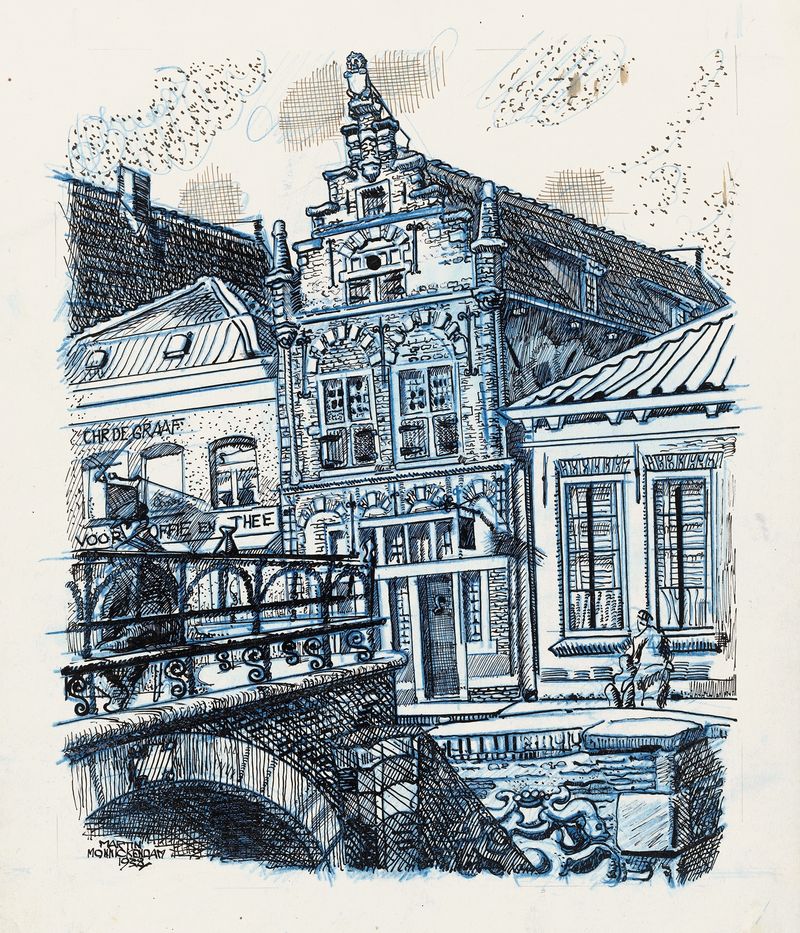
Voorgevel van het Museum te Edam
Martin Monnickendam
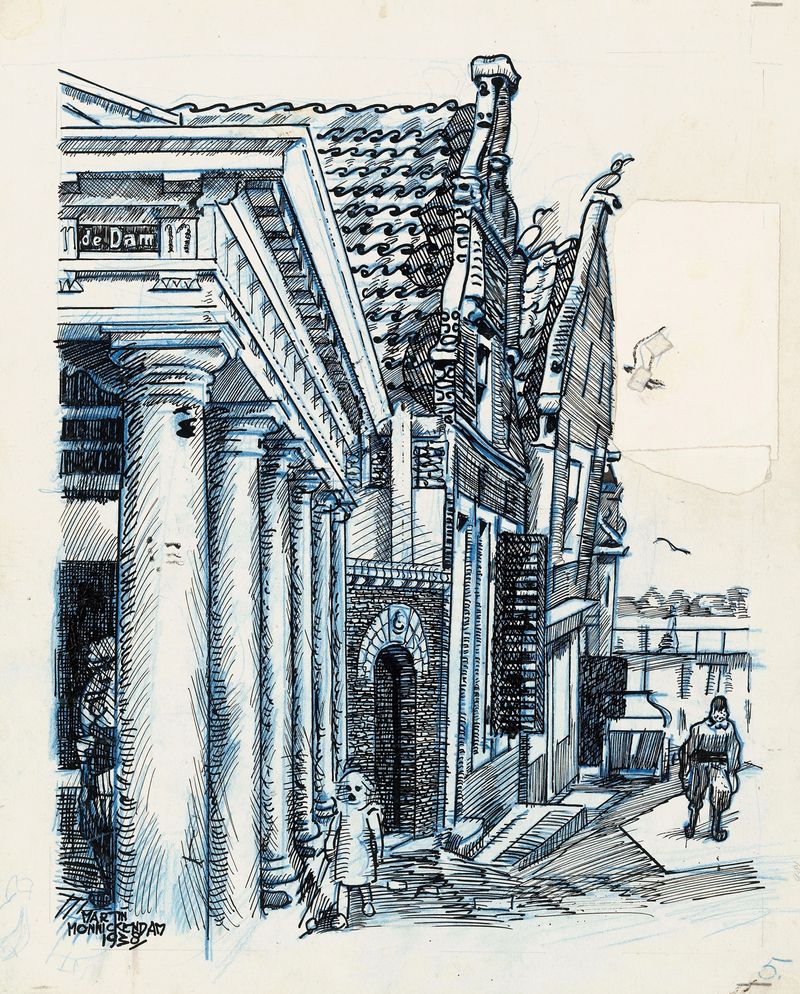
Gezicht langs het Waaggebouw te Monnickendam
Martin Monnickendam
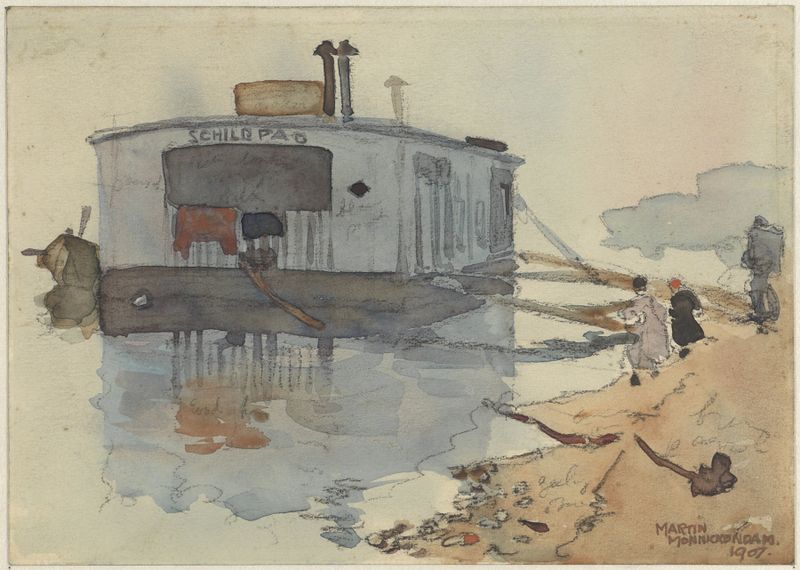
Schip De Schildpad aan een oever
Martin Monnickendam
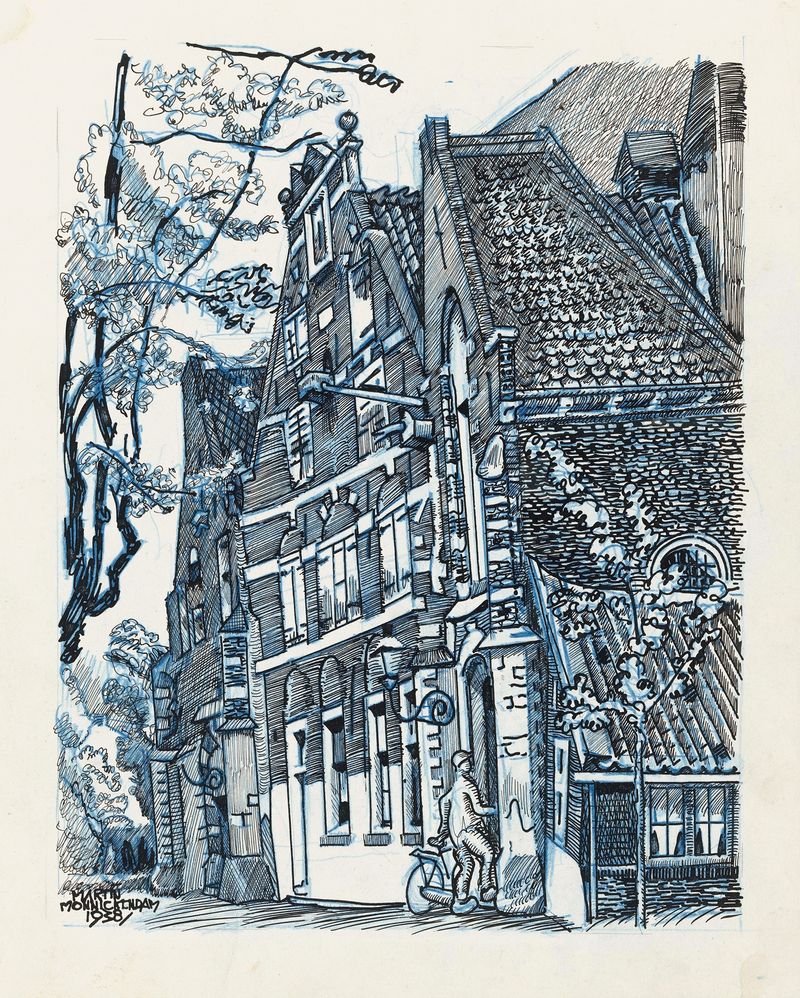
Oostelijke portaal van de St. Nicolaaskerk te Monnickendam
Martin Monnickendam

Straatje met gezicht op de St. Nicolaaskerk te Monnickendam
Martin Monnickendam
More Architecture Art
Browse all →
The statue of Liberty
Frédéric Auguste Bartholdi

View of Houses in Delft, Known as ‘The Little Street’
Johannes Vermeer

View of Houses in Delft, Known as ‘The Little Street’
Johannes Vermeer

The Cathedral in Rouen. The portal, Grey Weather
Claude Monet

The yellow house
Vincent van Gogh

The Church in Auvers-sur-Oise, View from the Chevet
Vincent van Gogh