
De evangelist Lucas — History & Facts
Can paint confess what words never could? This question lies at the heart of Hans Sebald Beham’s De evangelist Lucas, a canvas that unveils a yearning for understanding that transcends language. Look to the left, where the figure of Saint Luke stands, draped in rich hues that radiate warmth and serenity. Notice how the soft light caresses his features, illuminating the meticulous details of his robe and the texture of the book he holds. The composition draws you in, guiding your gaze naturally from the delicate wisps of his hair to the profound expressions caught in his eyes, inviting contemplation. In this work, there’s a profound tension between the stillness of the figure and the dynamic elements surrounding him.
The open book symbolizes knowledge and revelation, while the quill poised in his hand underscores the act of creation. Each detail, from the way the light dances on the parchment to the deep shadows that cradle his face, reveals an inner conflict — between the sacred and the mundane, the visible world and the transcendent thoughts that reside within. This duality captures a longing for deeper truths, melding the physical with the spiritual. Painted in 1541, this work emerged during a period of significant religious upheaval and artistic evolution in Europe.
Beham, a key figure in the Northern Renaissance, created this piece against the backdrop of Reformation tensions, where the power of imagery began to redefine spiritual expression. At this time, he was establishing himself as a master engraver and painter, seeking to bridge the gap between divine inspiration and human experience through his art.
More Artworks by Hans Sebald Beham
Browse all →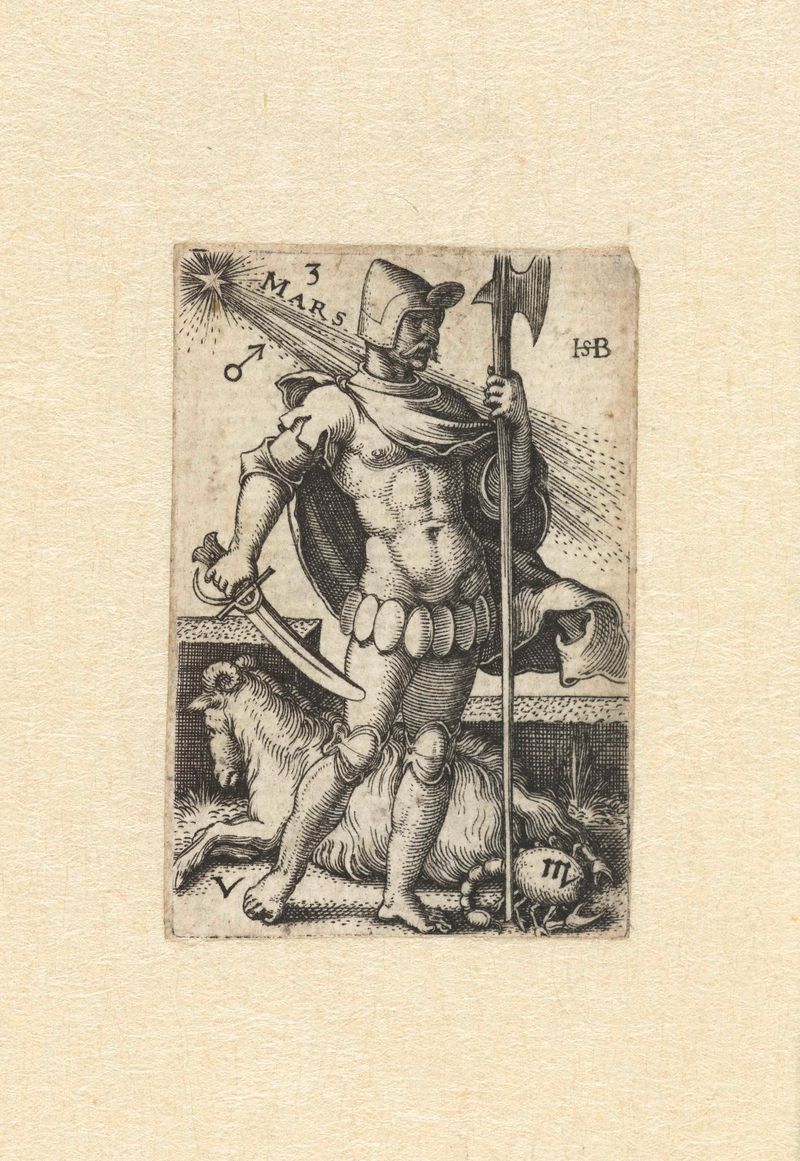
Mars met sterrenbeelden Ram en Schorpioen
Hans Sebald Beham

Achilles in gevecht met Hector
Hans Sebald Beham
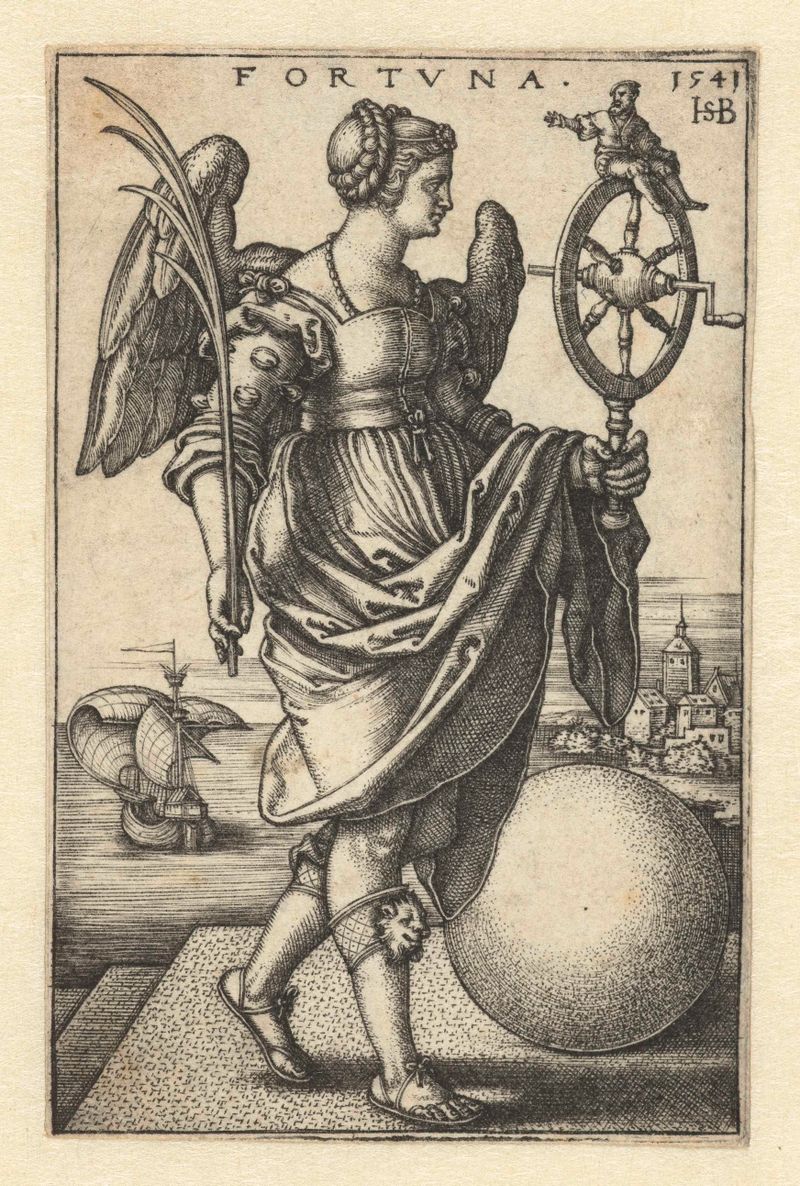
Fortuna
Hans Sebald Beham

Hercules worstelt met Antaeus
Hans Sebald Beham

Twee muzikanten met schalmey en doedelzak
Hans Sebald Beham

Voorzichtigheid (Prudentia)
Hans Sebald Beham

Hercules in gevecht met de Trojanen
Hans Sebald Beham
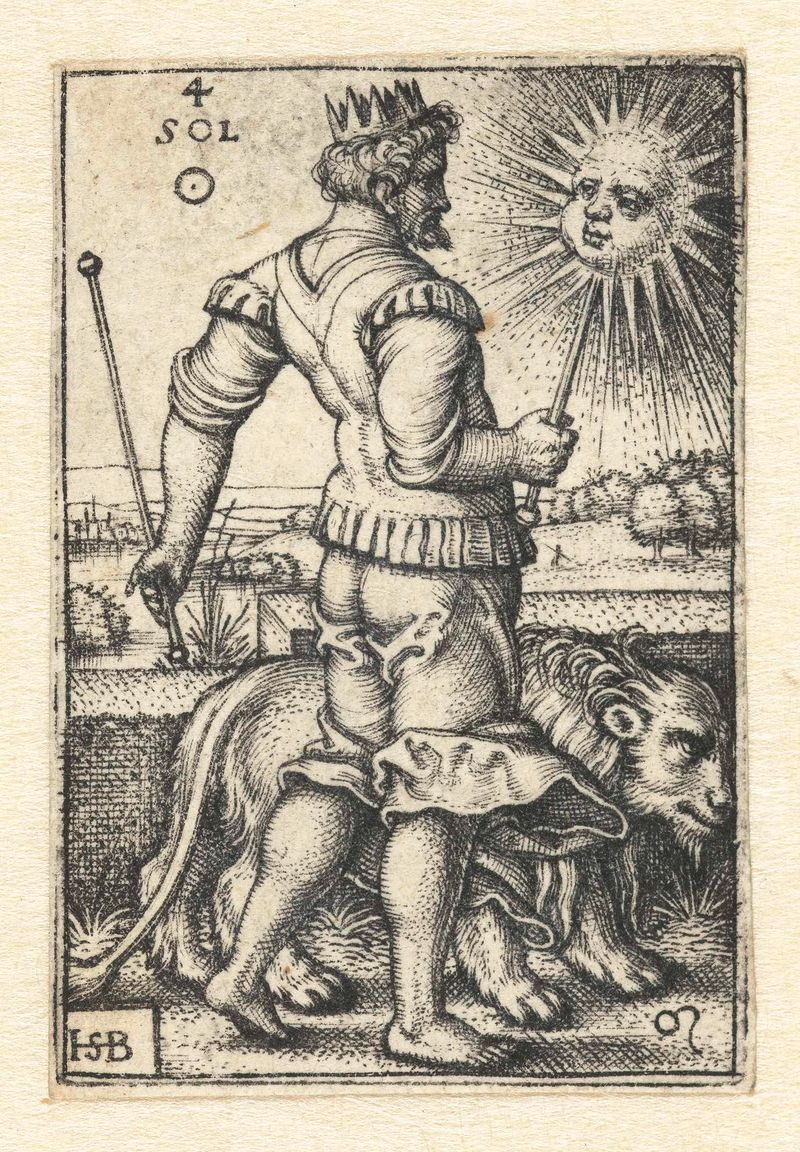
Apollo (Sol) met sterrenbeeld Leeuw
Hans Sebald Beham
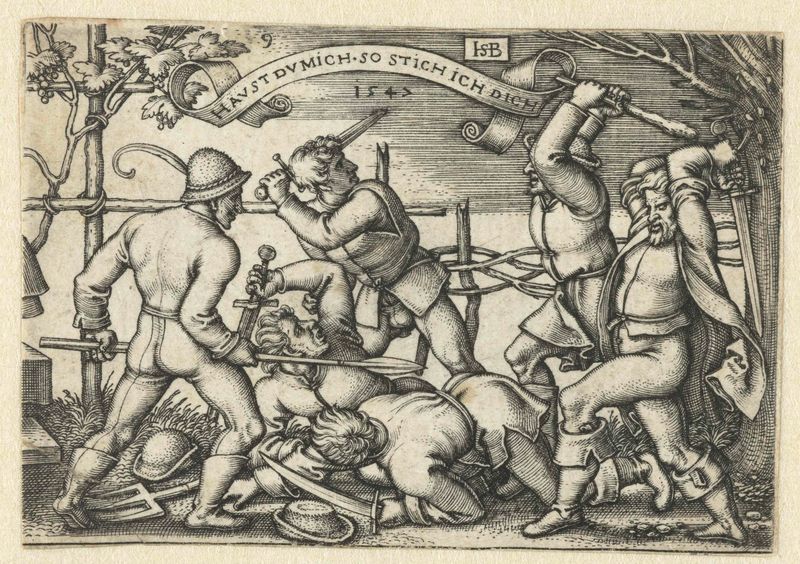
Vechtende boeren met zwaarden
Hans Sebald Beham
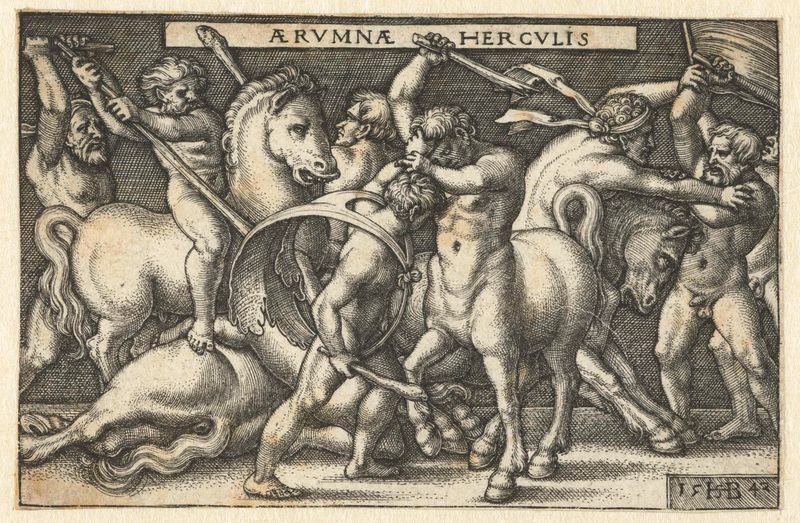
Hercules in gevecht met centaurs
Hans Sebald Beham
More Religious Art
Browse all →
The Return of the Prodigal Son
Rembrandt van Rijn

The Garden of Earthly Delights
El Bosco

Count Orgaz’ funeral
El Greco

The Hundred Guilder Print: the central piece with Christ preaching, the plate arched
Rembrandt van Rijn

The Descent from the Cross
Rogier van der Weyden

The return of the prodigal son
Rembrandt van Rijn