
De Heilige Familie bij de rozenstruik — History & Facts
Did the painter know this moment would outlive them? In De Heilige Familie bij de rozenstruik, a truth more profound than the passage of time unfolds, inviting us to pause and reflect on the eternal connections of family and faith. Look to the center, where the Holy Family forms an intimate tableau, draped in rich colors that speak of divinity and warmth. The gentle embrace of Mary and the child Jesus is both tender and protective, highlighted by the soft light that caresses their faces. Notice the delicate interplay of shadows and highlights, which not only illuminates their serene expressions but also enhances the lush greenery of the surrounding rosebush.
The meticulous detail of the petals almost invites us to reach out and touch them, urging us to engage with the beauty of the moment. Beneath the surface, the rosebush serves as a powerful symbol of both suffering and beauty, perhaps echoing the dual nature of Christ's journey. The juxtaposition of vibrant life against the figures’ solemnity reveals a profound emotional tension, hinting at the trials that await them. Here, the artist imbues the scene with an ethereal quality, suggesting that this sacred moment transcends mere existence—it's a testament to divine love and human connection that resonates through centuries. Created between 1488 and 1490, this work emerged during a time when Northern Renaissance artists were beginning to explore themes of domesticity within religious contexts.
The artist, known as the Master of the Amsterdam Cabinet, was part of a cultural shift that blended intricate realism with spiritual narratives. Amidst a rapidly changing world, this serene depiction of the Holy Family captures a timeless essence, anchoring the viewer in a moment of enduring truth.
More Artworks by Meester van het Amsterdamse Kabinet
Browse all →
Hertenjacht
Meester van het Amsterdamse Kabinet
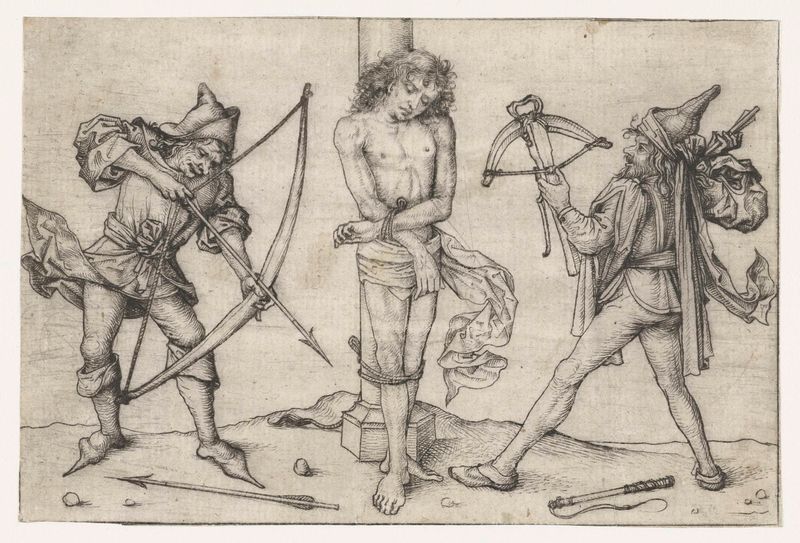
Heilige Sebastiaan met boogschutters
Meester van het Amsterdamse Kabinet

Het lichaam van Christus ondersteund door twee engelen
Meester van het Amsterdamse Kabinet

Heilige Anna-te-Drieën
Meester van het Amsterdamse Kabinet

Heilige Barbara (grote versie)
Meester van het Amsterdamse Kabinet
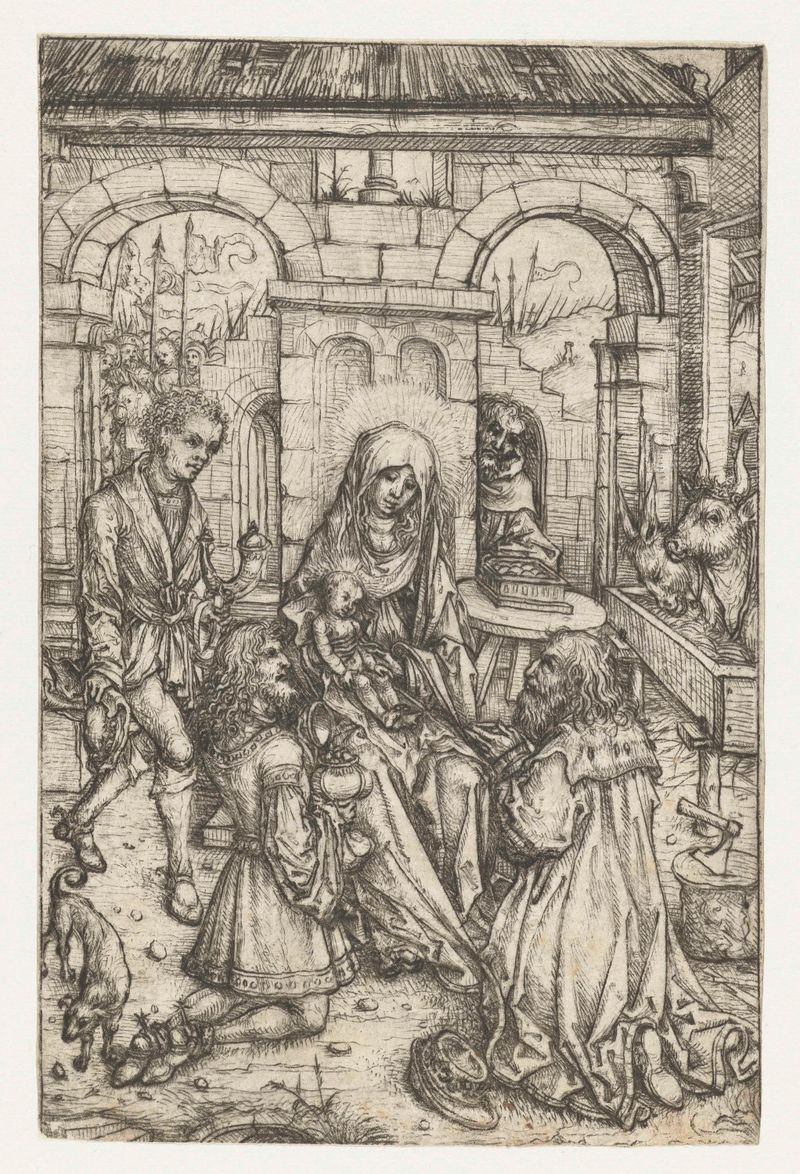
Aanbidding der koningen
Meester van het Amsterdamse Kabinet
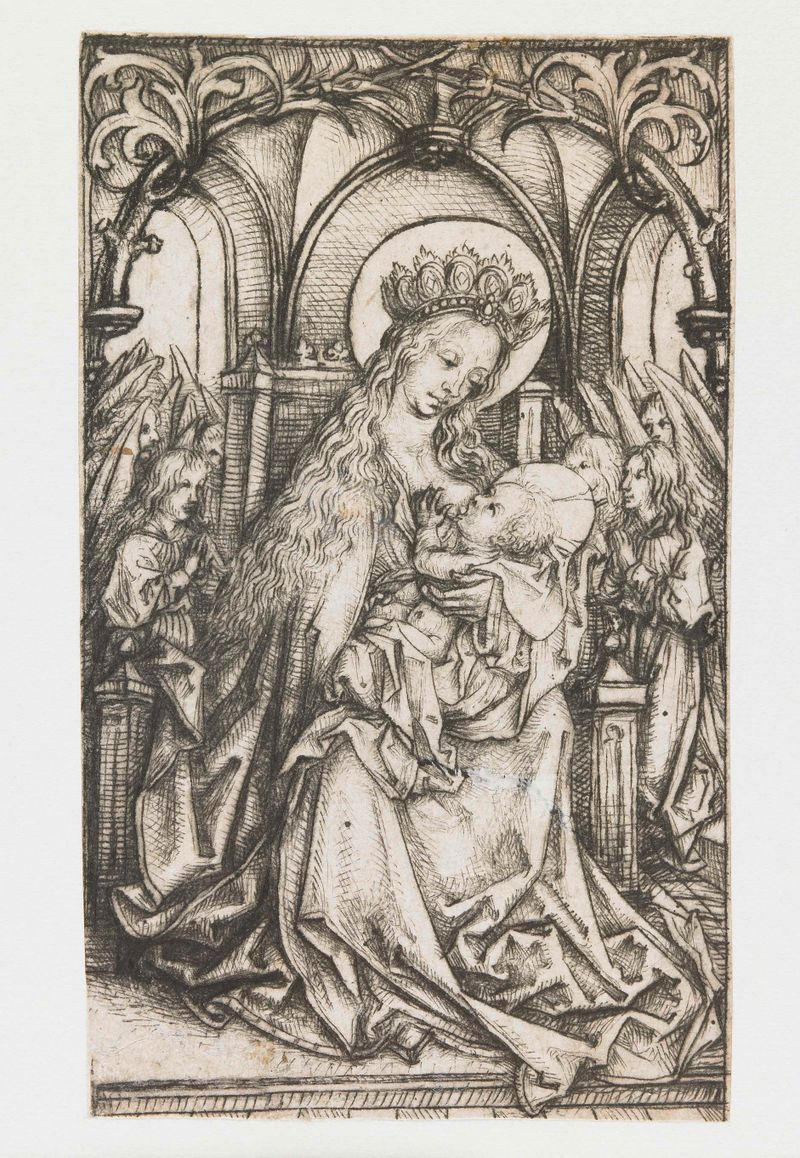
Tronende Madonna door engelen aanbeden
Meester van het Amsterdamse Kabinet

Het zegenend Christuskind
Meester van het Amsterdamse Kabinet
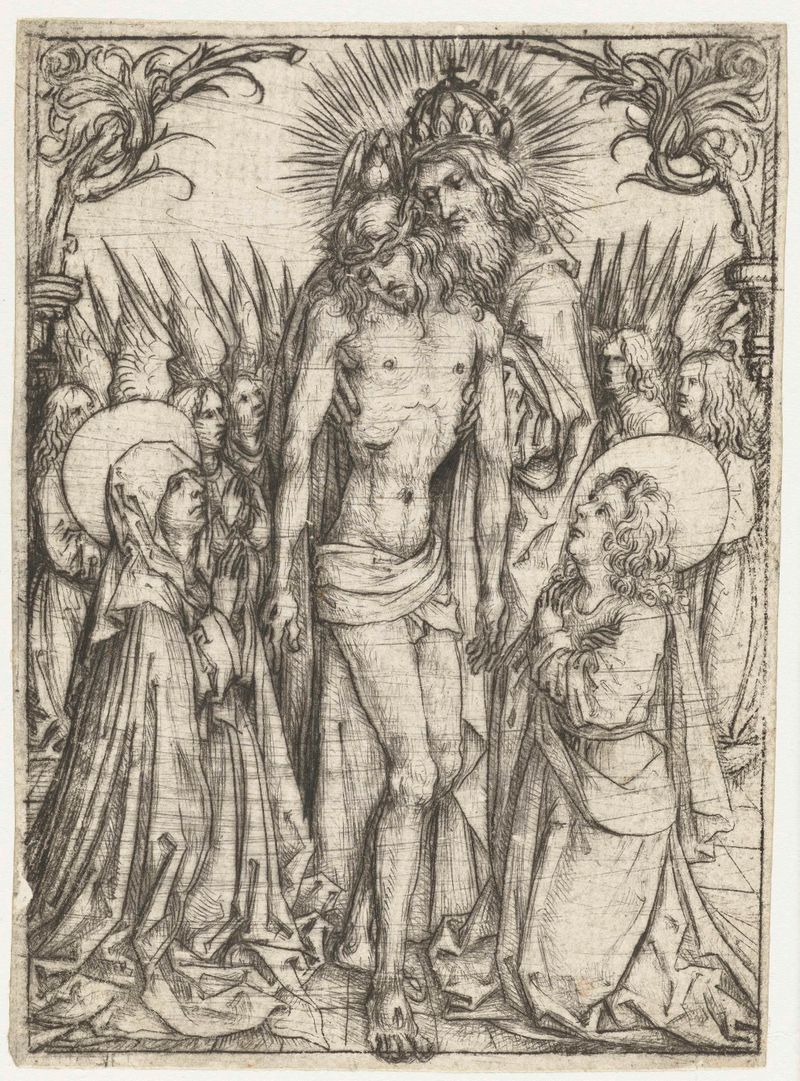
Aanbidding van de Heilige Drieëenheid door Maria, Johannes de Evangelist en engelen
Meester van het Amsterdamse Kabinet
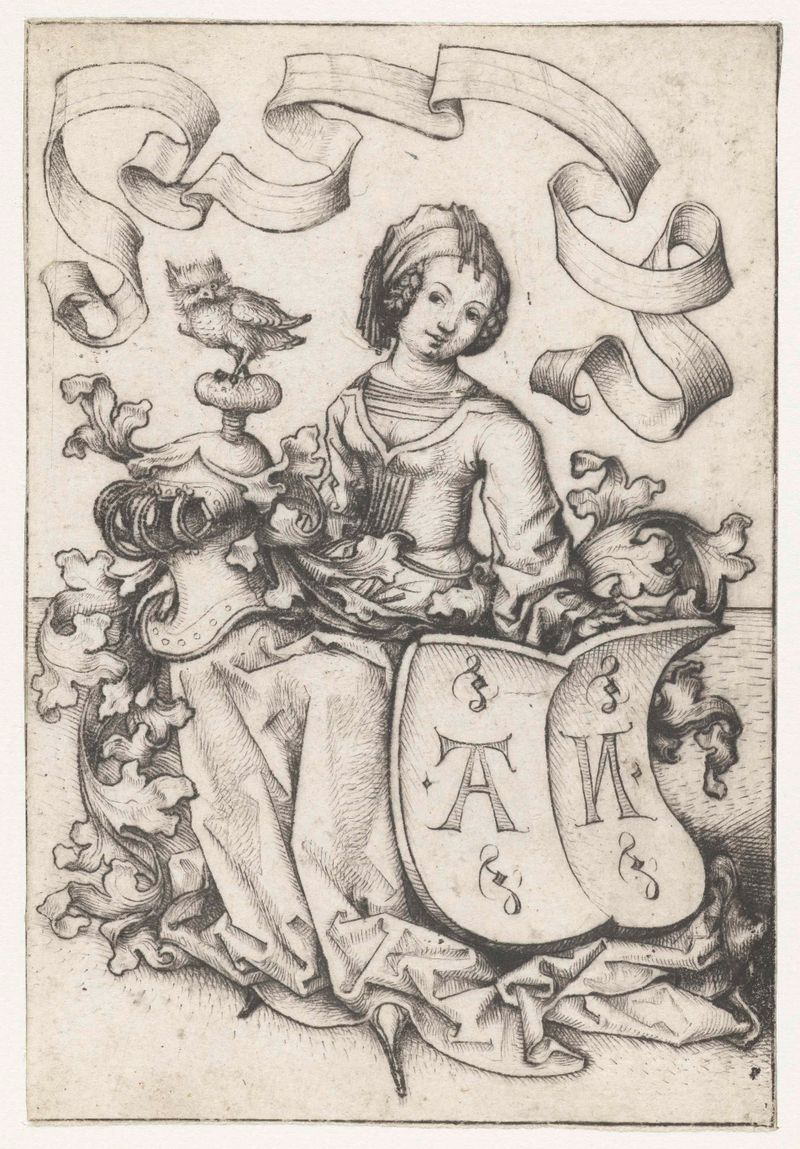
Dame met uil en wapenschild met de letters AN
Meester van het Amsterdamse Kabinet
More Religious Art
Browse all →
The Return of the Prodigal Son
Rembrandt van Rijn

The Garden of Earthly Delights
El Bosco

Count Orgaz’ funeral
El Greco

The Hundred Guilder Print: the central piece with Christ preaching, the plate arched
Rembrandt van Rijn

The Descent from the Cross
Rogier van der Weyden

The return of the prodigal son
Rembrandt van Rijn